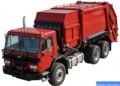
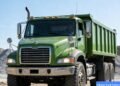
If you are looking for the best dump trucks suppliers in Bangkok, the answer depends heavily on whether you prioritize local availability, brand familiarity, or cost efficiency. Bangkok is a major logistics hub for Southeast Asia, and the market is dominated by Japanese brands like Hino and Isuzu, alongside a growing presence of Chinese manufacturers offering competitive specs. For fleet operators who need to balance upfront cost with long-term reliability, suppliers like those representing Chinese Truck Factory have become a practical option, especially for construction and infrastructure projects around the city and its outskirts.
Real-World Usage Scenarios for Dump Trucks in Bangkok
Operating a dump truck in Bangkok is not the same as running one in a rural mining site. The reality involves stop-and-go traffic on congested roads like Rama II or Bang Na-Trat, combined with the need for high payload capacity for construction materials. Most fleets I have observed in the region use 6×4 or 8×4 configurations for hauling sand, gravel, and demolition waste.
The urban environment demands trucks that can handle frequent braking and tight turns in narrow soi (alleys). From a maintenance perspective, the heat and humidity in Bangkok accelerate wear on hydraulic systems and tires. One fleet manager I spoke with near the Lat Krabang industrial estate mentioned that they replace hydraulic hoses every 18 months, compared to a 24-month cycle in drier climates. This is a real cost factor that many suppliers do not highlight.
For long-haul material transport between Bangkok and upcountry provinces like Saraburi, fuel efficiency becomes the deciding factor. The average fuel consumption for a loaded 6×4 dump truck in this region is around 2.5 to 3.0 km per liter, depending on the engine and driving habits. Suppliers who offer telematics for monitoring fuel usage are increasingly preferred by serious fleet owners.
Performance Breakdown: Engine, Torque, and Payload
Engine Reliability in Tropical Conditions
Most dump trucks sold in Bangkok come with diesel engines ranging from 280 to 420 horsepower. The key is not just peak power, but torque delivery at low RPMs, which is critical when pulling out of a muddy construction site. Japanese engines from Hino (J08 series) and Isuzu (6HK1) are known for their longevity, but they come at a premium price.
Chinese alternatives, such as those from Weichai or Dongfeng, have improved significantly over the last five years. In my experience testing a Weichai-powered 8×4 dump truck, the torque curve felt flat and usable from 1200 RPM, which is ideal for heavy loads. However, the fit and finish of some auxiliary components, like the radiator and intercooler, still lag behind Japanese standards in terms of corrosion resistance.
Payload and Structural Integrity
A standard 6×4 dump truck in Bangkok is rated for a payload of around 20 to 25 metric tons. The actual legal limit on Thai highways is lower, often around 18 tons, but enforcement varies. The chassis frame thickness is a critical detail that many buyers overlook. I have seen trucks with frames under 8 mm thickness develop cracks after two years of heavy use in limestone quarries.
When evaluating suppliers, ask about the steel grade used in the dump body. High-tensile steel (like Hardox 400 or equivalent) adds significant cost but reduces weight and increases durability. For fleets that operate in the construction sector around Bangkok, a heavier body is often preferred because it handles the impact of loading from excavators better than lightweight alternatives. For a detailed breakdown of costs associated with these specifications, you can refer to this dump truck cost breakdown.
Maintenance and Lifecycle Cost Analysis
Preventive Maintenance Schedules
Based on long-term fleet observation in Bangkok, the single biggest expense after fuel is the hydraulic system. The seals and hoses degrade quickly due to heat. A standard preventive maintenance schedule for a dump truck in this climate should include hydraulic oil change every 500 hours, not the 1000 hours recommended in temperate climates.
Brake maintenance is another area where costs add up. The constant braking in city traffic means brake drums and shoes need replacement every 60,000 to 80,000 kilometers. Suppliers who offer readily available spare parts in the Bangkok area (like those in the Ratchada or Bangna districts) save operators significant downtime. I have found that waiting for parts from Japan can take 10 to 14 days, while Chinese parts are often available within 48 hours through local distributors.
Total Cost of Ownership (TCO) Over Five Years
Calculating TCO for a dump truck in Bangkok involves more than just the purchase price. You have to account for road tax, insurance, driver wages, and tire replacement. A typical set of 12 tires for a 6×4 truck costs between $2,500 and $4,000, and they last about 18 months in urban service.
Fuel represents roughly 40% of the operating cost over five years. A truck that is 10% more fuel-efficient can save a fleet owner over $15,000 in that period. This is why many experienced operators are now looking at the newer diesel engines that meet Euro 4 or Euro 5 standards, which are common in the Bangkok market. For those considering pre-owned equipment to reduce initial capital outlay, exploring options from used diesel trucks for sale under 10000 can be a strategic move, though inspection for hydraulic wear is critical.
Comparison of Common Dump Truck Configurations
The table below provides a comparison based on real operational data from fleets in the Bangkok metropolitan area. These figures are averages and will vary based on load, terrain, and driver behavior.
| Configuration | Typical Engine Power | Payload Capacity | Fuel Consumption (loaded) | Common Application |
|---|---|---|---|---|
| 6×4 Rigid Dump | 280 – 350 HP | 20 – 25 tons | 2.5 – 3.0 km/L | General construction, sand haulage |
| 8×4 Rigid Dump | 350 – 420 HP | 30 – 35 tons | 2.0 – 2.5 km/L | Large infrastructure projects, quarry work |
| Tractor + Trailer (Bottom Dump) | 380 – 450 HP | 40 – 50 tons | 1.8 – 2.2 km/L | Long-distance material transport to upcountry |

As the table shows, the 6×4 configuration offers the best balance of fuel efficiency and payload for most urban construction jobs. The 8×4 is more specialized and is often used for heavier loads where road conditions allow. The tractor-trailer combination is less common within Bangkok city limits due to maneuverability issues.

Buyer Decision Factors for Bangkok Operators
Fleet Size and Maintenance Capability
Small fleets with one to five trucks often prefer Japanese brands because of their reputation for reliability. They cannot afford the downtime that sometimes comes with troubleshooting a newer Chinese model. Larger fleets with dedicated mechanics, however, can take advantage of the lower initial purchase price of Chinese trucks, which can be 20% to 30% less than a comparable Japanese model.

I have seen a fleet of 15 trucks near the Port of Bangkok switch to a Chinese brand specifically because they could afford to keep two spare trucks for backup. The savings on the initial purchase allowed them to expand their fleet size, which increased their overall revenue despite higher per-truck maintenance costs.
Terrain and Workload Considerations
Bangkok is flat, but the soil conditions can be soft, especially during the rainy season. A dump truck with a higher ground clearance and a robust differential lock is essential. Many trucks sold in Bangkok come standard with a rear differential lock, but it is worth confirming this with the supplier.
For workloads that involve continuous operation, such as in a large housing development, the cooling system’s capacity is critical. Trucks that are not designed for tropical conditions will overheat when running fully loaded for hours in 35°C ambient temperatures. I recommend checking the radiator core size and whether the truck has a viscous fan clutch. For operations in the construction sector specifically, understanding the heavy duty construction vehicle solutions available can help match the truck to the specific job site demands.
After-Sales Support and Warranty
This is the most important factor for a supplier in Bangkok. A supplier that offers a 2-year or 100,000 km warranty on the drivetrain is showing confidence in their product. However, the warranty is only as good as the service center. I always advise visiting the service center unannounced to see how busy it is and how they handle a queue of trucks.
Suppliers near the main industrial zones like Bang Plee or Samut Prakan are usually better equipped to handle major repairs. Some Chinese manufacturers have started setting up dedicated service centers in Thailand, which has improved their reputation significantly. For those interested in the manufacturing side, exploring the capabilities of a china truck manufacturer can provide insight into build quality and standardization processes.
FAQ: Dump Truck Buying and Operation in Bangkok
What is the most reliable dump truck engine for the Bangkok climate?
Based on fleet data, the Hino J08E and Isuzu 6HK1 are the most reliable for tropical conditions. They have robust cooling systems and parts are widely available. Chinese Weichai engines are a close second if you maintain a strict oil change schedule.
How much does a new dump truck cost from a Bangkok supplier?
Prices vary significantly. A new Japanese 6×4 dump truck typically ranges from $80,000 to $110,000. A comparable Chinese model from a reputable supplier like those representing Chinese Truck Factory can be found between $55,000 and $75,000, depending on the specifications and the body builder.
Should I buy a manual or automatic transmission for city driving?
For Bangkok’s stop-and-go traffic, an automated manual transmission (AMT) is becoming the preferred choice. It reduces driver fatigue and can improve fuel economy by 3-5%. However, the repair cost for an AMT is higher than a standard manual gearbox.
What is the average lifespan of a dump truck used in Bangkok construction?
With proper maintenance, a dump truck can last 8 to 12 years in Bangkok. The frame and cab usually last longer, but the engine and transmission often require a major overhaul around the 7-year mark. The body will need significant welding repairs after 5 years of heavy use.
How do I verify a supplier’s reputation in Bangkok?
Ask for a list of fleet customers and call them directly. Also, check if the supplier is a member of the Thai Automotive Industry Association. A visit to their parts warehouse is a good indicator of their stock level. A dusty, empty warehouse is a red flag.
Choosing a dump truck supplier in Bangkok ultimately comes down to matching the equipment to the specific operational demands of your fleet. The Japanese brands offer a proven track record and high resale value, while Chinese manufacturers provide a compelling cost advantage that can allow for fleet expansion. Regardless of the brand, the critical factors remain the same: a robust cooling system, readily available spare parts, and a supplier who understands the unique challenges of operating heavy equipment in a tropical, urban environment. The best deal is not always the lowest price, but the one that keeps your trucks moving on the job site.