Specialized Vehicles for Industrial, Construction & Municipal Applications
Chinese Truck Factory provides specialized vehicle sourcing and application-based configuration support for demanding industrial operations. Our specialized truck solutions cover sanitation, waste management, urban muck transport, mining, heavy construction and other commercial applications.
From chassis and powertrain selection to body design, application equipment and destination-market requirements, we help international buyers identify suitable heavy-duty specialized vehicles for their projects.
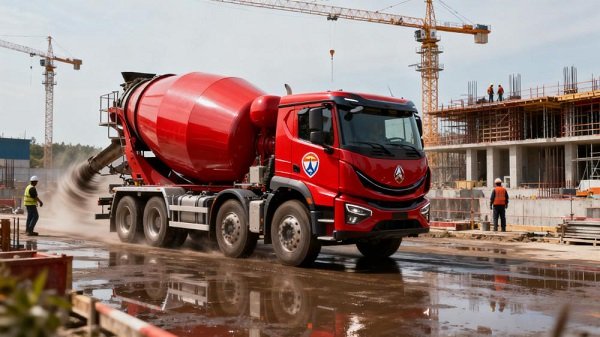
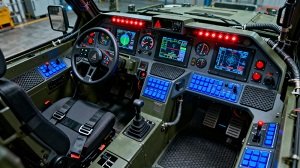
Application-Based Design
Vehicle configurations discussed according to actual working conditions and project requirements.
Multiple Truck Applications
Solutions for sanitation, construction, mining, material transport and municipal services.
Configuration Support
Discuss chassis, body, powertrain, working equipment and optional configurations.
International Sourcing
Configuration guidance, export documentation coordination and shipping planning.
Custom Specialized Trucks for Different Industrial Applications
Specialized vehicles are commercial trucks designed or configured to perform specific tasks beyond conventional cargo transportation. Depending on the application, they may require dedicated bodies, hydraulic systems, lifting equipment, waste collection mechanisms, liquid tanks or other purpose-built components.
Choosing the right specialized truck involves more than selecting a chassis or engine. Payload requirements, material characteristics, road conditions, working cycles, loading and unloading methods, local regulations and maintenance resources all influence the final vehicle configuration.
Whether you need a sanitation truck for municipal waste collection, a muck transport truck for urban construction, a mining dump truck for quarry operations or a custom industrial vehicle, Chinese Truck Factory helps you discuss suitable vehicle configurations for your business.
Types of Specialized Vehicles We Support
Explore specialized truck categories designed for different industries, transportation tasks and demanding working environments.
Sanitation & Waste Management Vehicles
Sanitation vehicles are designed for municipal waste collection, commercial refuse handling and environmental maintenance. The suitable configuration depends on waste type, collection volume, container standards and operating routes.
Available application configurations:
- Rear-loading garbage compactor trucks
- Side-loading waste collection trucks
- Front-loading collection configurations
- Hook-lift and roll-off container trucks
- Municipal sanitation and waste transport vehicles
Important selection factors include compaction requirements, bin-lifting compatibility, body capacity, road access and unloading arrangements.
Explore Waste Management Solutions →Muck Transport & Construction Waste Trucks
Muck transport vehicles are used to move excavated soil, construction spoil, demolition debris and other materials from construction sites to designated disposal or processing facilities.
Typical applications:
- Urban construction waste transportation
- Excavated soil and earthwork transport
- Demolition debris collection
- Road and underground infrastructure projects
- Construction site material handling
Truck body volume, payload, tipping arrangement, axle configuration and route conditions should be evaluated together.
Explore Urban Muck Transport Solutions →Mining & Quarry Specialized Trucks
Mining and quarry truck configurations are developed around demanding material transportation requirements. They can support aggregate handling, ore transportation, overburden removal and mine-to-plant logistics.
Typical applications:
- Quarry stone and aggregate transportation
- Open-pit mining material transport
- Ore and overburden transportation
- Mine-to-processing-plant operations
- Heavy-duty construction material hauling
Important configuration factors include 6×4 or 8×4 chassis suitability, material density, road gradients, tyres, cooling and braking systems.
Explore Mining Truck Solutions →Heavy Construction & Industrial Vehicles
Heavy construction vehicles support infrastructure development, earthmoving, material transportation, road construction and industrial site operations.
Typical applications:
- Construction material transportation
- Earthmoving and jobsite support
- Road construction and maintenance
- Industrial equipment transportation
- Specialized equipment and attachment operations
Chassis strength, drivetrain, suspension, body configuration and working equipment should match the project environment.
Explore Heavy-Duty Truck Platforms →Municipal & Public Utility Vehicles
Municipal and public utility trucks are configured for city maintenance, public infrastructure, environmental services and specialized municipal operations.
Common working requirements:
- Municipal waste and wastewater collection
- Street and road maintenance
- Urban infrastructure maintenance
- Liquid waste transportation
- Special-purpose public service operations
Vehicle dimensions, maneuverability, working equipment and local municipal requirements are important selection considerations.
Explore Vacuum Sewage Trucks →Other Special-Purpose Commercial Trucks
Different industries require dedicated truck bodies and equipment. We also cover additional special-purpose vehicle categories for roadwork, liquid transport, emergency response and elevated operations.
- Asphalt distributor trucks
- Vacuum sewage suction trucks
- Aerial work platform trucks
- Ambulance and emergency vehicles
- Fuel and LPG tank trucks
Special equipment, tank construction, operating systems and destination-specific safety requirements must be confirmed for each vehicle.
View More Special-Purpose Trucks →Specialized Vehicle Applications Across Industries
Different operating environments require different vehicle configurations. Our solutions focus on matching the truck to the actual work.
Municipal Services
Waste collection, sanitation, wastewater handling and public infrastructure maintenance.
Construction Projects
Excavated soil transportation, demolition debris removal, roadwork and material handling.
Mining Operations
Quarry transportation, ore hauling, aggregate delivery and mine-site material movement.
Industrial Facilities
Industrial waste handling, liquid transportation, equipment support and specialized logistics.
Key Features of Our Specialized Truck Solutions
A suitable specialized vehicle combines the right chassis, working equipment, body structure and operating configuration.
Custom Vehicle Configuration
Discuss chassis, wheelbase, axle arrangement, body structure and specialized equipment according to the application and vehicle availability.
Heavy-Duty Construction
Evaluate chassis strength, body materials, suspension and component suitability for demanding working environments.
Functional Equipment Integration
Review hydraulic systems, lifting mechanisms, compaction equipment, tank systems and other application-specific components.
Operational Technology
Review available control systems, monitoring equipment, operator interfaces and safety features for the selected configuration.
Powertrain Options
Consider conventional diesel, battery-electric or other suitable powertrain options according to model availability, duty cycle and destination regulations.
Export & Market Requirements
Discuss emissions, dimensions, axle loads, homologation, documentation and shipping arrangements for your destination market.
Specialized Vehicle Technical Specifications & Configuration
The technical specification of a specialized truck varies according to its application, chassis platform, body design and destination market. The following parameters should be reviewed before confirming a vehicle.
Chassis & Axle Configuration
Vehicle chassis, wheelbase, axle ratings, drive layout and gross vehicle weight should match the intended load and road conditions.
Payload & Body Capacity
Confirm target payload, body volume, material density, tank capacity or collection capacity for the actual application.
Engine & Powertrain
Review engine output, torque, transmission, axle ratio, cooling requirements and available powertrain options.
Working Equipment
Check hydraulic systems, lifting equipment, compaction mechanisms, pumps, tanks, controls and optional accessories.
Safety & Emissions
Confirm braking systems, safety equipment, lighting, emissions standards and other applicable local requirements.
Dimensions & Export Documents
Review overall dimensions, steering position, shipping requirements, technical documents and destination-country regulations.
Important: Actual technical specifications, optional equipment and compliance depend on the exact vehicle model and destination. Please request the corresponding technical sheet and confirm the final configuration in writing before ordering.
How to Choose the Right Specialized Truck
A successful truck purchase starts with understanding the work the vehicle needs to perform. Consider these key factors before selecting your specialized vehicle.
Define the Working Task
Identify whether the truck will be used for waste collection, construction transport, mining, road maintenance or another industrial task.
Determine Load Requirements
Provide the required payload, material type, density, container dimensions and expected daily working volume.
Evaluate Operating Conditions
Consider road surfaces, gradients, climate, temperature, site access, daily mileage and operating hours.
Select the Right Vehicle Setup
Match chassis, axle arrangement, body, powertrain, hydraulic systems and working equipment.
Check Local Regulations
Confirm emissions, vehicle dimensions, axle loads, steering position, registration and import requirements.
Plan Parts & Maintenance
Review spare-parts availability, maintenance access, service documentation and written warranty terms for the selected model.
From Truck Requirements to Export Delivery
Our sourcing and configuration discussion helps international buyers clarify vehicle requirements before moving forward with an order.
Share Your Requirements
Tell us the application, vehicle type, quantity, payload and destination country.
Review Vehicle Configuration
Discuss the available chassis, body, powertrain, equipment and technical requirements.
Confirm the Specification
Review the technical sheet, equipment scope, destination requirements and written quotation.
Coordinate Export & Shipping
Discuss export documentation, shipping arrangements, destination port and delivery terms.
Frequently Asked Questions About Specialized Vehicles
Answers to common questions from international buyers sourcing specialized trucks and industrial vehicles.
1. What are specialized vehicles?
Specialized vehicles are commercial vehicles designed or equipped for specific industrial, municipal or professional tasks. Examples include sanitation trucks, garbage compactors, mining dump trucks, muck transport trucks, vacuum sewage suction trucks, tank trucks and road maintenance vehicles. Their configuration depends on the required application and operating environment.
2. What types of specialized trucks are available?
Special-purpose truck categories include sanitation and garbage collection trucks, construction waste transport vehicles, mining dump trucks, industrial transport vehicles, asphalt distributor trucks, vacuum sewage suction trucks, aerial work platform trucks, fuel tank trucks and other application-specific vehicles. Availability and configurations should be confirmed for each project.
3. Can specialized trucks be customized for different applications?
Vehicle configurations can be discussed according to chassis availability, body requirements, axle layout, payload, powertrain and specialized equipment. Customization options depend on the selected vehicle platform and manufacturer approval. Buyers should confirm all technical details in the final quotation and technical documentation.
4. How do I choose the right specialized vehicle for my business?
Start with the actual working application. Identify the material being transported, required payload, operating distance, road conditions, daily working hours, loading and unloading method, and local vehicle regulations. These details help determine the appropriate chassis, body, powertrain and equipment configuration.
5. What information should I provide when requesting a specialized truck quotation?
Provide your destination country and port, vehicle application, required quantity, target payload or body capacity, preferred chassis or axle configuration, powertrain preference, operating environment and any applicable technical specifications. Project drawings, tender documents and reference photographs are also useful.
6. Can specialized trucks be supplied for international markets?
International sourcing and export coordination can be discussed for different destination markets. The vehicle configuration must be reviewed against local emissions requirements, dimensions, axle limits, homologation, registration and import documentation. Shipping routes, freight arrangements and commercial terms should be confirmed in writing.
7. Can I request a diesel or electric specialized truck?
Depending on the vehicle category and available platform, conventional diesel, battery-electric or other powertrain configurations may be considered. The best choice depends on daily mileage, payload, operating conditions, charging infrastructure, maintenance resources and destination-market regulations.
8. How can I confirm the technical specifications of a specialized truck?
Request the technical specification sheet for the exact vehicle configuration. Confirm chassis model, engine, transmission, axle ratings, body dimensions, payload, working equipment, emissions standard, safety systems and included accessories. The final specifications and supply scope should be documented in the quotation and technical agreement.
Looking for the Right Specialized Vehicle for Your Business?
Tell us about your application, operating requirements and destination market. Our team can help review suitable specialized truck configurations and discuss the next steps for your project.
Request a Specialized Truck Quote
Complete the inquiry form below. Providing detailed project information helps us better understand your requirements.
Information to include in your inquiry:
- Required specialized vehicle type and application
- Destination country and destination port
- Required quantity and target payload
- Preferred chassis, axle and powertrain configuration
- Body capacity and specialized equipment requirements
- Operating environment and applicable local standards
Chinese Truck Factory | Specialized Vehicles & Custom Industrial Truck Solutions
Vehicle availability, technical specifications, optional equipment, export arrangements and compliance requirements are subject to confirmation for the exact model and destination market.