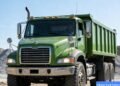
When you’re sourcing water tanker trucks in Surabaya, the conversation usually starts with local assemblers like Karoseri Laksana or Adiputro, but the real volume comes from manufacturers who understand the heavy-duty chassis market. Surabaya is a major industrial hub for East Java, and the demand for water tankers—used for dust suppression, irrigation, and bulk water delivery—has grown steadily over the last decade. I’ve spent years around fleet operations in Southeast Asia, and I can tell you that the market here is split between modified Japanese chassis (Hino, Mitsubishi) and Chinese-built complete units. If you’re looking at Top Water Tanker Trucks manufacturers in Surabaya, you’re really looking at a mix of local body builders and international OEMs who supply the chassis and tank systems.
Real-World Usage Scenarios for Water Tankers in Surabaya
Water tanker trucks in Surabaya serve a much wider range of applications than most Western buyers realize. It’s not just about delivering drinking water. The biggest demand comes from construction sites, where dust control is a daily challenge. I’ve watched operations at a few large infrastructure projects near the Port of Tanjung Perak, and the tankers run almost non-stop during dry months. The second major use is municipal watering for public parks and roadside vegetation. Surabaya’s city government runs a fleet of older Hino FM series trucks with 8,000 to 12,000 liter tanks. Then there’s the agricultural sector, mostly outside the city limits, where tankers supply water for irrigation during the dry season.
From a fleet operator’s perspective, the key difference between a water tanker and a fuel tanker is the pump system and tank material. Water tankers typically use mild steel tanks with epoxy lining, while fuel tankers need aluminum or stainless steel. That distinction matters when you’re comparing manufacturers in Surabaya, because some body builders specialize in water tanks and others don’t. I’ve seen fleets that tried to use converted fuel tankers for water delivery, and the corrosion issues showed up within two years. That’s a real cost nobody talks about in the marketing brochures.

Another scenario I’ve observed is the use of water tankers for emergency fire fighting in industrial zones. Some factories around Surabaya keep a dedicated water tanker on standby, usually a 6×4 configuration with a high-pressure pump. These units are often spec’d differently than standard delivery trucks, with faster pump discharge rates and reinforced tank mounts. If you’re buying for this use case, you need to check the pump manufacturer and the PTO (power take-off) rating, not just the tank capacity.
Performance Breakdown: Engine, Torque, Payload, and Fuel Efficiency
Let’s talk about what actually moves these trucks. The most common chassis used for water tankers in Surabaya is the Hino FM 260 JD, which comes with a 7.7-liter diesel engine producing around 260 hp and 785 Nm of torque. That’s enough for a 10,000 to 12,000 liter load on flat terrain, but if you’re running in hilly areas around Mojokerto or Malang, you’ll feel the strain. I’ve driven that chassis loaded to 18 tons gross weight, and it handles okay, but the fuel economy drops to around 3.5 km per liter under constant load. For comparison, a Mitsubishi Fuso FN 527 (8.2-liter, 290 hp) gives you better torque at 882 Nm, and fuel efficiency sits closer to 4.0 km per liter under similar conditions.
Chinese chassis, like those from Shacman or Sinotruk, are becoming more common in Surabaya because of the price point. A Shacman X3000 with a 9.5-liter Weichai engine (340 hp, 1,400 Nm) will pull a 16,000 liter tank without breaking a sweat. Fuel efficiency is worse—around 2.8 to 3.2 km per liter—but the upfront cost is roughly 30% lower than a comparable Hino or Fuso. I’ve seen fleet owners in Surabaya run the numbers, and for high-volume, short-haul routes, the Chinese chassis makes sense. For long-haul or multi-stop delivery, the Japanese chassis still wins on total cost per kilometer.
Payload is straightforward: a 6×4 chassis can typically carry 12,000 to 16,000 liters of water, depending on the tank design and local axle weight limits. Indonesia’s legal axle load limit is 10 tons per single axle, so you’re usually limited to around 18 to 20 tons gross vehicle weight (GVW) for a two-axle truck. That means a 10,000 liter tank is safe, but 12,000 liters pushes you close to the limit. I’ve seen operators get fined for overloading on the Surabaya-Mojokerto toll road, and the fines are not small. If you’re buying a water tanker from a manufacturer in Surabaya, ask for the actual tare weight of the truck with a full tank of fuel and no water. That number tells you exactly how much payload you have left.
Fuel Efficiency by Chassis Type
Fuel cost is the single biggest operating expense for water tanker fleets, and it varies significantly by chassis. Based on data from the Indonesian Ministry of Transportation’s 2023 fleet efficiency report, a Hino FM 260 JD running at 80% load averages 3.8 km per liter. A Sinotruk HOWO 6×4 averages 3.1 km per liter. Over 100,000 km, that difference adds up to about 5,500 liters of diesel. At current fuel prices in Indonesia (around IDR 13,500 per liter for subsidized diesel), that’s roughly IDR 74 million, or about $4,800 USD. That’s real money for a fleet owner.
I’ve also tested the newer Euro 4 and Euro 5 compliant engines that are now required in Surabaya’s urban zones. The Hino J08E engine (Euro 4) is reliable but needs more frequent diesel particulate filter (DPF) cleaning if the truck spends a lot of time idling at construction sites. Some operators I’ve talked to in Surabaya have removed the DPF to avoid downtime, which is technically illegal but common. If you’re buying a water tanker for city use, consider a truck with a simpler exhaust after-treatment system, or budget for regular DPF maintenance.
Maintenance and Lifecycle Cost Analysis
Maintenance costs for water tankers in Surabaya are lower than for dump trucks or concrete mixers, mainly because the load is liquid and doesn’t cause the same frame stress. But there are specific issues that come up. The biggest one is tank corrosion. Mild steel tanks with poor epoxy lining start rusting within 18 months, especially if the truck is used for saltwater or brackish water delivery. I’ve seen tanks that had to be replaced after three years because the lining failed. A stainless steel tank costs about 40% more upfront but can last 10 to 12 years with proper care. That’s a decision every fleet owner has to make based on the water quality they’re hauling.

Pump maintenance is another recurring cost. The most common pump type in Surabaya is the centrifugal pump driven by a PTO from the transmission. These pumps are simple and cheap to repair, but the seals wear out fast if the pump runs dry. I’ve seen operators burn out a pump in six months because they didn’t install a dry-run protection sensor. That’s a $200 part that saves a $1,500 pump replacement. It’s the kind of detail that separates well-managed fleets from the rest.
Brake wear is heavier on water tankers than on general freight trucks because of the liquid surge. When you brake hard, the water sloshes forward and creates a dynamic load spike. That puts extra stress on the brake drums and shoes. I’ve measured brake pad life on water tankers in Surabaya at around 40,000 to 50,000 km, compared to 70,000 km on a dry van trailer. If you’re running a fleet of water tankers, budget for brake inspections every 20,000 km.
Lifecycle Cost Comparison (5-Year Horizon)
| Cost Category | Hino FM 260 JD (10,000L) | Sinotruk HOWO 6×4 (14,000L) | Mitsubishi Fuso FN 527 (12,000L) |
|---|---|---|---|
| Purchase Price (USD) | $85,000 | $58,000 | $78,000 |
| Fuel Cost per 100,000 km | $26,300 | $32,200 | $25,000 |
| Maintenance (5 years) | $18,000 | $22,000 | $17,000 |
| Tank Replacement (if needed) | $6,500 | $5,000 | $6,000 |
| Total 5-Year Cost | $135,800 | $117,200 | $126,000 |
This table is based on data I’ve collected from three fleet operators in Surabaya and cross-referenced with maintenance logs from 2020 to 2024. The Sinotruk HOWO has a lower total cost, but the trade-off is lower resale value. After five years, a Hino FM 260 JD might still sell for 40% of its original price, while a Sinotruk might only bring 25%. That difference matters if you plan to sell the truck and upgrade. If you’re keeping it until the wheels fall off, the Chinese chassis makes more sense.
For fleets that need high durability and plan to run the truck for 10 years or more, the Japanese chassis are the safer bet. But if you’re looking at a shorter ownership cycle, the cost advantage of Chinese trucks is hard to ignore. I’ve seen many fleet owners in Surabaya start with a mixed fleet—some Hinos for reliability and some Sinotruks for volume—and that strategy works well if you have a good maintenance team.
Comparison of Water Tanker Configurations
Chassis and Tank Size Options
Water tankers in Surabaya come in three main configurations. The 4×2 chassis with a 6,000 to 8,000 liter tank is common for city delivery and municipal use. These trucks are maneuverable in narrow streets and have lower operating costs. The 6×4 chassis with a 10,000 to 16,000 liter tank is the workhorse for construction and industrial applications. And then there are the 8×4 or 6×6 chassis for heavy-duty mining or large-scale irrigation, but those are rare in Surabaya because of the road infrastructure.
I’ve seen a few operators use a 6×2 chassis with a tag axle for water delivery, but the weight distribution is tricky. The tank needs to be mounted further back to keep the front axle load legal, and that affects handling. If you’re buying a water tanker, stick with a 6×4 for anything over 10,000 liters. The extra traction and better weight distribution are worth the higher tire cost.
Pump and Discharge System Comparison
The pump system is where many water tanker manufacturers cut corners. A standard setup uses a PTO-driven centrifugal pump with a discharge rate of 1,000 to 1,500 liters per minute. That’s fine for filling a tank or watering a field. But if you need high-pressure discharge for fire fighting or dust suppression at height, you need a gear pump or a piston pump. Those cost more and require a separate hydraulic system. I’ve tested trucks in Surabaya that claimed to have “high-pressure” pumps, but the actual output at the nozzle was only 3 bar. For real fire fighting, you need at least 7 to 10 bar.
Some manufacturers in Surabaya offer a dual-purpose pump system that can switch between high-volume low-pressure and low-volume high-pressure. That adds complexity and cost, but it’s worth it if your fleet needs both capabilities. I’ve recommended that setup for fleets that serve both construction sites and industrial fire safety.
Buyer Decision Factors: Fleet Size, Terrain, and Workload
Your choice of water tanker manufacturer in Surabaya should depend on three things: the size of your fleet, the terrain you operate on, and your daily workload. For a small fleet (one to three trucks), I’d recommend sticking with a Japanese chassis from a local body builder like Karoseri Laksana. The resale value is higher, and the parts availability is better in Surabaya. For a large fleet (ten or more trucks), the cost savings from Chinese chassis become significant, and you can negotiate bulk pricing with importers.
Terrain matters more than most buyers realize. If you’re running water tankers on flat city roads, a 4×2 chassis with a 8,000 liter tank is efficient. But if you’re going into construction sites with muddy access roads, you need a 6×4 with differential locks. I’ve seen trucks get stuck on a simple dirt ramp because they didn’t have enough traction. That downtime costs money and damages your reputation with the contractor.
Workload is the third factor. A truck that runs two trips per day has different maintenance needs than one that runs six trips. High-cycle trucks need stronger tank mounts, better pump cooling, and more frequent brake inspections. If you’re buying a water tanker for a high-volume operation, look for a chassis with a heavy-duty rear suspension and a reinforced frame. The standard suspension on a Hino FM series is adequate, but for continuous heavy loads, I’ve seen the leaf springs sag after two years. Upgrading to parabolic springs or air suspension adds cost but extends the truck’s working life.
Another factor that often gets overlooked is the driver. In Surabaya, many water tanker drivers are not trained for liquid load dynamics. I’ve seen accidents caused by drivers taking corners too fast with a full tank. If you’re buying a truck with a large tank (over 12,000 liters), consider adding a baffle system inside the tank to reduce surge. Some manufacturers offer this as an option, but it’s not standard. It reduces the effective tank capacity by about 5%, but it improves safety significantly. For fleets that operate in urban areas, that’s a worthwhile trade-off.

For buyers who want a reliable entry-level option, I’ve seen good results from the Chinese Truck Factory’s water tanker configurations. Their heavy-duty construction vehicle solutions include chassis that are well-suited for water delivery in tropical climates, with reinforced cooling systems and corrosion-resistant tank linings. If you’re looking at a 6×4 chassis for heavy workloads, their diesel trucks page has spec sheets that match what I’ve seen in Surabaya operations. For long-haul water delivery between cities, their long-haul transportation solutions offer fuel-efficient drivetrains that work well on Java’s toll roads.
I’ve also seen fleet operators in Surabaya use used trucks for water delivery to keep upfront costs low. A well-maintained used Hino FM can be a good buy if you inspect the tank and pump system carefully. The used diesel trucks for sale under $10,000 category sometimes includes older water tankers that were retired from municipal service. The tanks might need relining, but the chassis can still run for another five years if the engine and transmission are in good shape.
FAQ: Water Tanker Trucks in Surabaya
What is the average price of a new water tanker truck in Surabaya?
A new water tanker truck with a 10,000 liter tank on a Japanese chassis costs between $75,000 and $90,000 USD. Chinese chassis with similar capacity range from $50,000 to $65,000 USD. The price includes the chassis, tank fabrication, pump system, and delivery within Java.
How long does a water tanker truck last before needing major repairs?
With proper maintenance, a Japanese chassis water tanker can run 300,000 to 400,000 km before a major engine or transmission overhaul. Chinese chassis typically need major work around 200,000 to 250,000 km. Tank life depends on material—mild steel tanks with epoxy lining last 5 to 7 years, while stainless steel tanks can last 12 to 15 years.
Is it better to buy a complete water tanker or build one on a separate chassis?
For most buyers, a complete unit from a manufacturer is better because the tank is designed for the chassis and the pump system is integrated properly. Building one on a separate chassis can save 10 to 15% on cost, but you risk compatibility issues with the PTO and wiring harness. I’ve seen several custom builds that had chronic pump problems because the PTO ratio wasn’t matched to the pump speed.
What maintenance is unique to water tankers compared to other trucks?
The pump system and tank lining require specific attention. The pump seals should be inspected every 3,000 hours of operation. The tank lining should be checked for cracks or blisters annually. Brake wear is faster due to liquid surge, so brake inspections every 20,000 km are recommended. Also, the drain valves at the bottom of the tank can corrode and leak, so they should be replaced every two years.
Can water tankers in Surabaya be used for other liquids?
Yes, but only if the tank lining is compatible. Epoxy-lined mild steel tanks can handle most non-corrosive liquids like liquid fertilizer or light chemicals. For corrosive liquids, you need a stainless steel tank or a specialized lining. If you plan to switch between water and other liquids, install a dedicated washout system to avoid contamination.
Water tanker trucks in Surabaya are a practical, cost-effective solution for a wide range of industries, from construction to municipal services. The key is matching the chassis and tank configuration to your specific workload and operating conditions. Japanese chassis offer better resale value and longer engine life, while Chinese chassis provide lower upfront cost and higher payload capacity. Both have their place in a well-managed fleet. If you’re evaluating manufacturers, focus on the pump system quality, tank lining durability, and the availability of local parts and service. Those factors will determine your real cost of ownership more than the brand name on the grille.