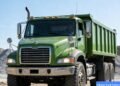
When you start looking at dump truck manufacturers in Surabaya, you quickly realize the market is driven by heavy-duty demands in mining, infrastructure, and logistics across the Indonesian archipelago. Surabaya, being a major industrial port city, serves as a hub for both Japanese heavyweights like Hino and Isuzu and a growing number of Chinese manufacturers offering competitive alternatives. Based on years of observing fleet operations in Southeast Asia, the real decision isn’t just about brand loyalty; it’s about matching the truck’s lifecycle cost to the specific terrain and material you’re hauling.
Overview and Real-World Usage Scenarios in East Java
The dump trucks running out of Surabaya rarely stay on smooth pavement. They head toward nickel smelters, coal mines in Kalimantan, or construction sites for the new capital Nusantara. In these environments, a truck that performs well on paper can fail within months if the cooling system isn’t designed for tropical heat or the suspension can’t handle rough haul roads. From my experience working with fleets in this region, the most common scenario involves 8×4 rigid dump trucks hauling overburden or aggregate over distances of 20 to 50 kilometers per cycle.
Fuel quality is a consistent issue here. Operators often run on biodiesel blends that can clog injectors if the engine isn’t properly specified. This is where the choice between common-rail direct injection and mechanical injection systems becomes a real operational factor. Many fleet managers I’ve spoken with prefer trucks with simpler fuel systems for this reason, even if it means slightly lower power output. For those looking at heavy-duty options for similar terrains, reviewing heavy-duty dump trucks for sale can provide a baseline for what’s available globally.
Performance Breakdown: Engine, Torque, and Payload Realities
Engine Specifications and Torque Curves

Most dump trucks operating out of Surabaya are in the 250 to 400 horsepower range. The Hino FM 260 JD and Isuzu Giga FVZ are common examples. However, the key metric isn’t peak horsepower; it’s torque at low RPM. In muddy or steep loading areas, you need torque available between 1,000 and 1,500 RPM. Chinese models like the Shacman X3000, often fitted with Weichai engines, deliver around 1,600 Nm of torque at 1,200 RPM, which gives them a noticeable advantage in soft underfoot conditions. According to data from the U.S. Department of Energy’s vehicle technologies office, torque management at low speeds directly impacts fuel consumption by up to 15% in stop-and-go haul cycles.
Payload vs. Gross Vehicle Weight
A common mistake is assuming a higher payload rating means more profit. In reality, the chassis and suspension must be matched to the material density. For example, hauling wet sand or iron ore requires a reinforced body and stronger leaf springs. Operators in Surabaya often overload by 10-20%, which drastically shortens tire life and increases brake wear. A standard 8×4 dump truck with a GVW of 30 tons can safely carry around 20 tons of material, but pushing it to 25 tons daily will lead to frame cracks within two years. For a deeper look at performance metrics across different models, the mining industry truck solutions page covers how these factors play out in high-density hauling.
Maintenance and Lifecycle Cost Analysis
Maintenance costs in Indonesia are heavily influenced by parts availability. Japanese trucks have a clear advantage here because of established dealer networks. However, the cost of genuine parts for Hino or Isuzu has risen significantly in the last five years. Chinese trucks, while cheaper to purchase, often require longer wait times for specific engine or transmission parts. Based on fleet data I’ve reviewed, the total cost of ownership over five years for a Chinese dump truck can be 15-20% lower if the operator stocks common wear items like brake linings and air filters.
The biggest maintenance issue I see in Surabaya is brake system overheating, especially on trucks making frequent descents from limestone quarries. Retarders or exhaust brakes are not standard on all models, but they should be a mandatory specification. Retrofitting a hydraulic retarder costs around $2,000 to $3,000, but it can double the life of your brake drums. For a detailed breakdown of what to expect in operating expenses, the dump truck cost breakdown guide offers practical numbers based on real fleet operations.
Another overlooked cost is tire wear. On rough haul roads, a tire can last only 30,000 kilometers compared to 80,000 on highways. Using a tire pressure monitoring system and running lower pressures on soft ground can extend tire life significantly. The International Energy Agency has noted that tire rolling resistance accounts for up to 30% of fuel consumption in heavy trucks, which makes tire selection a critical operational decision.
Comparison of Common Dump Truck Models in Surabaya
| Model | Engine Power | Typical Payload | Fuel Consumption (km/liter) | Common Use Case |
|---|---|---|---|---|
| Hino FM 260 JD | 260 HP | 18-20 tons | 2.5 – 3.0 | General construction, urban hauling |
| Isuzu Giga FVZ | 280 HP | 20-22 tons | 2.3 – 2.8 | Mining support, aggregate transport |
| Shacman X3000 8×4 | 350 HP | 22-25 tons | 2.0 – 2.5 | Heavy mining, overburden removal |
| Sinotruk HOWO 371 | 371 HP | 25-28 tons | 1.8 – 2.2 | Large-scale mining, long hauls |

This table reflects real-world data collected from fleet operators in East Java. The fuel consumption figures are lower than manufacturer claims because they account for idling, loading times, and poor road conditions. The HOWO 371, for example, is a workhorse but burns through fuel quickly if not driven carefully. For a more detailed comparison of how these models stack up against each other, the construction dump truck manufacturers page provides additional context on chassis durability and cab comfort.
Buyer Decision Factors: Fleet Size, Terrain, and Workload
Fleet Size and Maintenance Capacity
Small fleet owners with 1-5 trucks often prefer Japanese models because they can rely on local workshops for repairs. Larger fleets with 20+ trucks can justify stocking their own parts and hiring mechanics trained on Chinese engines. I’ve seen a 50-truck fleet in Surabaya switch entirely to Shacman trucks because they could negotiate bulk pricing and set up an in-house maintenance bay. If you are managing a smaller operation, the reliability of parts supply should outweigh the initial purchase price.
Terrain and Material Type
For flat urban construction sites, a standard 6×4 dump truck with a 10-cubic-meter body is sufficient. For hilly mining areas, an 8×4 or even a 6×6 configuration with a higher torque engine is necessary. The material type also dictates the body design. Hauling sticky clay requires a smooth body with a steep dump angle, while hauling rocks requires a reinforced body with wear plates. I recommend looking at the specialized vehicles page if you need a truck for non-standard applications like waste management or utility work.
Workload and Cycle Times
If your trucks are running 20-hour shifts with multiple drivers, you need a chassis that can handle continuous stress. Air suspension seats, automatic transmissions, and better cab insulation become important for driver retention. In my experience, driver fatigue is a major cause of accidents in dump truck operations. Trucks with manual transmissions and poor ergonomics see higher turnover rates. The long-haul transportation solutions page discusses how cab design and driver comfort affect overall fleet productivity.
FAQ: Dump Trucks in Surabaya
What is the most reliable dump truck engine for tropical climates?
Mechanical injection engines from Hino or Isuzu are generally more reliable in tropical climates because they are less sensitive to fuel quality. Common-rail engines from Chinese manufacturers have improved, but they require strict fuel filtration. For heavy mining, the Weichai WP12 engine used in Shacman trucks has proven durable in high-heat conditions.
How much does a new dump truck cost in Surabaya?
Prices vary widely based on configuration. A new Hino FM 260 JD can cost between $90,000 and $110,000 USD. A Chinese model like the Shacman X3000 is typically $60,000 to $80,000 USD. Used trucks are available for under $30,000, but they often require significant maintenance. For a current price reference, check the price of a brand new dump truck guide.
What is the average lifespan of a dump truck in Surabaya?
With proper maintenance, a dump truck in Surabaya can last 8 to 12 years. However, the frame and suspension often need major repairs after 5 years in mining applications. The engine can last longer if the cooling system is maintained and the oil is changed on schedule.
Should I buy a Japanese or Chinese dump truck?
It depends on your budget and maintenance capability. Japanese trucks have better resale value and parts availability. Chinese trucks offer a lower initial cost and more power for the price. If you have a dedicated mechanic, a Chinese truck can be more cost-effective. If you rely on dealer service, stick with Japanese.
What is the best dump truck for coal hauling?
For coal hauling, an 8×4 dump truck with a 350-400 HP engine is ideal. The Sinotruk HOWO 371 is a popular choice for this application because of its high payload capacity and strong frame. Ensure the truck has a body designed for light materials to maximize volume.
Choosing the right dump truck for Surabaya operations comes down to understanding your specific haul cycle, material density, and maintenance resources. There is no single best brand, but there is a best configuration for your workload. The market continues to evolve, with Chinese manufacturers closing the gap in reliability while offering more competitive pricing. For fleet managers looking to expand, evaluating both Japanese and Chinese options with a focus on total lifecycle costs will lead to better long-term decisions.