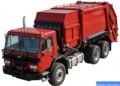
Singapore’s water tanker truck market is a niche but critical segment, serving everything from construction dust suppression to municipal irrigation and emergency fire support. The top manufacturers here aren’t just assemblers; they are integrators who match chassis from global OEMs with specialized tanks and pump systems designed for the tropics. Based on years of observing fleet operations and speaking with workshop managers in the region, I’ve narrowed down the key players that consistently deliver reliable equipment in Singapore’s high-humidity, stop-and-go traffic environment.
Real-World Usage Scenarios for Water Trucks in Singapore
You don’t see these trucks cruising the expressway for fun. Their work is specific and demanding. The most common application is dust control on construction sites, which are everywhere in the city-state. A standard 10,000 to 16,000-liter water truck runs a spray bar system, often working 10-hour shifts in tight urban lots. Another major use is road washing for municipal contracts, where the truck needs a high-pressure hose and a front-mounted spray nozzle. I’ve also seen these units used for landscape irrigation in large public parks and, less frequently, as a first-response fire support vehicle in industrial estates. The key difference between a Singapore-spec truck and one built for, say, the Australian outback is the emphasis on corrosion resistance due to constant rain and humidity, and a compact turning radius for navigating narrow streets.

Performance Breakdown: Engine, Torque, and Payload Efficiency
Performance in a water tanker isn’t about speed; it’s about consistent power delivery and brake reliability. Most operators in Singapore favor the 6-cylinder diesel engine, typically in the 250 to 350 horsepower range, because it handles the constant load of a full tank without straining. Torque is the real metric here. You want at least 900 Nm from the engine to move a fully loaded 20-ton gross vehicle weight (GVW) truck from a standstill, especially on a ramp leading out of a basement construction site. Fuel efficiency is a secondary concern, but a well-matched drivetrain can achieve around 3.5 to 4.5 km per liter under mixed conditions, which is acceptable for this type of work. The real-world payload for a standard 4×2 rigid chassis in Singapore is about 10 to 12 tons, depending on the tank material. Aluminum tanks save weight but cost more, while steel tanks are tougher but eat into your payload. For fleet managers looking at total operating costs, the choice of chassis is critical, and many are now evaluating options from global suppliers, including those listed under heavy truck manufacturer categories for their cost-effectiveness in this specific segment.
Engine Longevity and Cooling Systems
Singapore’s heat is brutal on an engine. Water tankers often idle for long periods while the pump is running, which can cause overheating if the cooling system isn’t spec’d correctly. I’ve seen fleets that switched to a larger radiator and a viscous fan clutch saw a 15% drop in engine-related breakdowns. The best manufacturers in Singapore understand this and usually offer a tropical cooling package as standard. It’s a small detail that makes a huge difference when the truck is sitting in the sun, pumping water for two hours straight.
Maintenance and Lifecycle Cost Analysis
Owning a water tanker in Singapore comes with predictable but unavoidable costs. The biggest expense after fuel is the pump and valve system. A cheap centrifugal pump might last 18 months, while a quality bronze or stainless steel pump can go five years with proper care. You also have to factor in the tank’s internal lining. If you’re hauling potable water for irrigation, the lining needs to be food-grade epoxy, which costs more to repair. Based on data from local fleet operators, the average annual maintenance cost for a 15,000-liter water truck is between SGD 8,000 and SGD 15,000. This includes regular brake lining replacements, which wear faster due to the constant stop-start nature of the job. Tire life is also shorter than a long-haul truck; expect to replace all six tires every 18 to 24 months. For a deeper dive into how these costs compare to other vocational vehicles, you can look at the construction dump truck manufacturers guide, which covers similar chassis wear patterns.
Corrosion: The Silent Killer
Salt air and constant rain mean rust is your number one enemy. I’ve inspected trucks where the subframe rotted out in under four years because the owner didn’t get a galvanized chassis. The top manufacturers in Singapore either use a galvanized steel subframe or a full aluminum tank to combat this. It adds about 10-15% to the upfront cost, but it doubles the working life of the truck. If you’re planning to keep the truck for more than five years, a galvanized frame is not optional; it’s a requirement for keeping your total cost of ownership (TCO) under control.
Comparison of Leading Water Tanker Configurations
To make a practical decision, you need to compare the common configurations available. The table below breaks down the typical specs you’ll see from the top assemblers in Singapore, based on real fleet data and manufacturer specs.
| Feature | Light-Duty (4×2) | Medium-Duty (6×4) | Heavy-Duty (8×4) |
|---|---|---|---|
| Typical Water Capacity | 8,000 – 12,000 liters | 16,000 – 20,000 liters | 24,000 – 30,000 liters |
| Engine Power | 180 – 250 HP | 250 – 350 HP | 350 – 450 HP |
| Common Chassis Brand | Hino, Isuzu | Fuso, Scania | Volvo, Sinotruk |
| Pump Type | Centrifugal, 500 L/min | Self-priming, 1000 L/min | High-pressure, 1500 L/min |
| Best Use Case | Urban road washing, small sites | Large construction, dust control | Mining, large infrastructure |
| Estimated TCO (5yr) | SGD 180,000 | SGD 300,000 | SGD 450,000 |
This comparison shows that the medium-duty 6×4 is the sweet spot for most contractors in Singapore. It offers enough capacity for a full day’s work on a typical construction site without the high fuel and tire costs of the heavy-duty 8×4. The lighter 4×2 is fine for municipal work, but it struggles with payload if you need to carry a full water load plus a crew of workers.
Buyer Decision Factors: Fleet Size, Terrain, and Workload
Choosing the right water tanker comes down to three things: how many trucks you run, where they operate, and how hard you push them. A small fleet owner with two trucks might prefer a simpler mechanical injection engine for easier repairs, while a large contractor with twenty trucks can absorb the cost of electronic common-rail systems for better fuel economy. The terrain in Singapore is mostly flat, but you still need good ground clearance for construction sites that have soft, muddy ground. A differential lock is a worthwhile option, even if you only use it once a month. Workload is the biggest factor. If your truck runs a single shift, a standard pump is fine. If you’re running double shifts, you need a heavy-duty pump with a separate engine or a PTO that can handle continuous operation. For those managing mixed fleets, understanding how these water tankers fit into a larger operational strategy is important, and you can see how similar principles apply in long haul transportation solutions, where chassis durability and uptime are the primary drivers of profitability.
Chassis Selection and Compliance
Singapore’s Land Transport Authority (LTA) has strict rules on axle loads and overall vehicle length. A standard 4×2 rigid chassis with a 4,200mm wheelbase is the most common, as it fits within the legal length limit while still accommodating a 12,000-liter tank. You must also consider the Euro 6 or equivalent emission standard. Trucks that are not compliant cannot be registered. Most top manufacturers in Singapore will only offer Euro 6 or electric options for new builds. This is a non-negotiable point that filters out many cheaper imported chassis that don’t meet the local certification.
Frequently Asked Questions About Water Tanker Trucks in Singapore
What is the typical lifespan of a water tanker truck in Singapore?
With proper maintenance and a galvanized chassis, a water tanker can last 10 to 15 years in Singapore. The tank itself often outlasts the chassis, but the pump system will need replacement every 4 to 6 years. Corrosion is the main limiting factor.
How much does a new water tanker truck cost in Singapore?
A new, fully built water tanker truck from a top manufacturer in Singapore typically costs between SGD 180,000 and SGD 350,000, depending on the chassis brand, tank material, and pump system. This price includes the COE (Certificate of Entitlement) and registration.

Do I need a special license to drive a water tanker in Singapore?
Yes, you need a Class 4 driving license for any truck with a maximum laden weight above 7,250 kg. Since most water tankers have a GVW of 16,000 kg or more, a Class 4 license is mandatory. An additional vocational license is not required for water tankers unless it’s used for hazardous materials.
What is the most common problem with water tanker pumps?
The most common issue is seal failure due to running the pump dry. Operators often forget to prime the pump or let the water level drop too low. This damages the mechanical seal and leads to leaks. A dry-run protection sensor is a cheap upgrade that saves a lot of repair downtime.
Can I import a used water tanker from Japan or Europe?
You can, but it is rarely cost-effective. The cost of retrofitting the truck to meet Singapore’s LTA inspection standards, plus the COE and import duties, often makes it more expensive than buying a new locally assembled unit. The warranty and parts availability from a local manufacturer also make new trucks a better investment.
In the end, the best water tanker truck for your operation in Singapore comes down to matching the chassis and tank specs to your specific daily route and load requirements. The top manufacturers here have decades of experience integrating components that hold up to the local climate and traffic conditions. Whether you are running a single truck for a small landscaping business or managing a fleet for a major construction firm, focusing on corrosion resistance, pump reliability, and a proper cooling system will save you significant money over the truck’s life. It is a specialized piece of equipment, and buying based on price alone usually leads to higher downtime and unexpected repair bills.