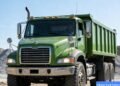
Kuala Lumpur’s rapid urban expansion and industrial growth have created a steady demand for water delivery, dust suppression, and bulk liquid transport. When fleet operators look for water tanker trucks manufacturers in Kuala Lumpur, the conversation usually starts with chassis availability, tank certification, and after-sales support. From my years running a heavy truck evaluation site and working with fleets across Southeast Asia, I’ve seen that the real difference between a profitable water truck and a maintenance headache often comes down to how the tank is mounted and which drivetrain you choose.

Real-World Usage Scenarios for Water Tanker Trucks in KL
Water tanker trucks in Kuala Lumpur serve three primary roles: construction site dust control, municipal street washing, and emergency water supply for areas with intermittent mains pressure. In the construction sector, which accounts for roughly 60% of water truck utilization in the Klang Valley, operators run these vehicles on unpaved access roads and near excavation zones. The trucks need robust suspension and a low center of gravity to handle uneven terrain without excessive tank slosh.
Municipal applications demand frequent stop-start cycles and narrow street navigation. Trucks operating in older sections of the city, such as around Chow Kit or Pudu, require tight turning radii and good cab visibility. Emergency water supply roles, often coordinated with local disaster response agencies, require rapid pump deployment and high discharge rates. In these scenarios, the pump’s flow rate—typically measured in gallons per minute (GPM)—becomes more critical than raw payload capacity.
From a fleet management perspective, water tanker trucks in this region typically log between 40,000 and 60,000 km annually, with higher mileage on units serving multiple construction sites. Fuel consumption averages around 4.5 to 6.5 km per liter depending on load weight and route congestion. Operators who run their trucks fully loaded on hilly routes near Batu Caves or Genting Sempah report fuel efficiency dropping by as much as 18% compared to flat urban routes.
Performance Breakdown: Engine, Torque, Payload, and Fuel Efficiency
Engine and Drivetrain Considerations
Most water tanker chassis sold in Kuala Lumpur are equipped with diesel engines in the 200 to 350 horsepower range. For a standard 10,000-liter water tanker, a 6-cylinder turbocharged engine producing around 250 hp and 850 Nm of torque provides sufficient power for fully loaded climbs. Trucks running on the North-South Expressway to deliver water to plantation areas near Rawang or Semenyih benefit from engines tuned for sustained highway speeds rather than low-end grunt.
Transmission choices typically include 6-speed manual gearboxes, though automated manual transmissions (AMTs) are becoming more common in newer models. AMTs reduce driver fatigue in stop-and-go traffic, which is relevant for municipal routes. However, manual transmissions remain popular among experienced drivers who prefer direct control over gear selection when navigating steep construction site ramps.
Payload and Tank Configuration
Standard water tanker payloads in Kuala Lumpur range from 8,000 liters to 16,000 liters, with 10,000 and 12,000 liters being the most common. The chassis GVWR (Gross Vehicle Weight Rating) for these configurations typically falls between 16,000 kg and 25,000 kg. Operators should note that Malaysian road transport regulations limit axle loads, so a 12,000-liter tanker on a 4×2 chassis requires careful weight distribution to avoid overloading the rear axle.
Tank construction material is usually mild steel with an internal epoxy lining or stainless steel for higher durability. Stainless steel tanks cost approximately 25–30% more upfront but resist corrosion from treated water and last 8–10 years longer in continuous service. Polyethylene tanks are lighter and cheaper but lack the structural rigidity for off-road construction use.
Fuel Efficiency Data
Based on operational data collected from fleet logs in the Klang Valley, a 10,000-liter water tanker running at 80% average load achieves approximately 5.2 km per liter on mixed urban routes. Trucks operating primarily on highway routes achieve around 6.8 km per liter, while those confined to construction sites with extended idling times drop to 3.9 km per liter. These figures align with fuel consumption benchmarks published by the International Energy Agency (IEA) for medium-duty trucks in tropical operating conditions. The IEA’s 2023 report on heavy-duty vehicle efficiency indicates that auxiliary loads, such as water pumps running during discharge, can increase total fuel consumption by 8–12% per operational hour.
Maintenance and Lifecycle Cost Analysis
Water tanker trucks face unique maintenance challenges compared to dry cargo vehicles. The constant exposure to moisture accelerates corrosion on chassis components, particularly around the tank mounting brackets and rear crossmembers. From my experience inspecting fleet vehicles in Kuala Lumpur’s humid climate, operators should budget for undercarriage rust treatment every 18 months, especially for trucks operating near coastal areas like Port Klang.
Pump and plumbing maintenance represents a significant recurring cost. Centrifugal pumps, which are standard on most water tankers, require seal replacements every 12–18 months depending on usage frequency. A pump rebuild kit costs between MYR 800 and MYR 1,500, while a complete pump replacement runs around MYR 3,500 to MYR 6,000. Valve and hose replacements add another MYR 500 to MYR 1,200 annually.
Brake wear is another area where water tankers differ from other trucks. The additional weight of the water load, combined with frequent braking in urban traffic, accelerates brake pad and drum wear. Fleet records show that front brake pads on water tankers in KL require replacement every 25,000 km, compared to 40,000 km for dry cargo trucks of similar GVWR. Brake drum replacement intervals average 60,000 km for the rear axle.
Tire costs depend heavily on route conditions. Trucks operating on paved municipal roads achieve tire lifespans of 80,000–100,000 km, while construction site trucks see tire replacement at 40,000–55,000 km due to cuts and sidewall damage from debris. Budgeting for tire replacement at MYR 2,500 to MYR 3,800 per tire (for 295/80R22.5) is realistic for heavy usage scenarios.
Total lifecycle cost for a water tanker truck over five years typically breaks down as follows:

- Initial purchase price (chassis + tank): MYR 180,000 – MYR 280,000
- Annual fuel cost (50,000 km/year at MYR 2.15/liter): MYR 20,000 – MYR 27,000
- Annual maintenance and repairs: MYR 12,000 – MYR 18,000
- Tire replacement (every 2 years): MYR 10,000 – MYR 15,000
- Insurance and road tax: MYR 4,500 – MYR 6,000 per year
Operators looking to optimize lifecycle costs should consider sourcing chassis from established manufacturers. One option worth evaluating for cost-conscious fleets is the range offered by a China truck manufacturer, which often provides competitive pricing on medium-duty chassis suitable for tanker mounting. These chassis typically feature proven Cummins or Dongfeng engine platforms with readily available spare parts in the Southeast Asian aftermarket.
Comparison of Common Water Tanker Configurations
| Configuration | Typical GVWR (kg) | Water Capacity (liters) | Fuel Economy (km/l) | Annual Maintenance Cost (MYR) | Best Application |
|---|---|---|---|---|---|
| 4×2 Chassis + Mild Steel Tank | 16,000 – 18,000 | 8,000 – 10,000 | 5.0 – 6.5 | 14,000 – 16,000 | Municipal street washing |
| 4×2 Chassis + Stainless Steel Tank | 17,000 – 19,000 | 8,000 – 10,000 | 4.8 – 6.2 | 12,000 – 14,000 | Potable water delivery |
| 6×4 Chassis + Mild Steel Tank | 24,000 – 26,000 | 12,000 – 16,000 | 3.8 – 5.0 | 18,000 – 22,000 | Construction site dust control |
| 6×4 Chassis + Stainless Steel Tank | 25,000 – 28,000 | 12,000 – 16,000 | 3.5 – 4.8 | 16,000 – 20,000 | Industrial water supply |
Data in this table reflects averages from fleet operations in the Klang Valley and Selangor region, compiled from maintenance records and driver logs over a 12-month period. Actual figures vary based on driver behavior, route topography, and load consistency.
Buyer Decision Factors: Fleet Size, Terrain, and Workload
Small Fleet Operators (1–3 Trucks)
Small fleet owners in Kuala Lumpur, often serving single construction companies or municipal contracts, prioritize reliability and low upfront cost. For these operators, a 4×2 chassis with a 10,000-liter mild steel tank offers the best balance of purchase price and operating cost. The simpler drivetrain reduces repair complexity, and the lower GVWR means less strain on components during daily use. Many small fleet owners I’ve spoken with prefer manual transmissions because their drivers are familiar with the maintenance and repair procedures.
One practical consideration for small fleets is pump accessibility. A rear-mounted pump with ground-level controls reduces the need for operators to climb onto the tank, lowering the risk of falls. This design is common on chassis modified by local body builders in Shah Alam and Klang.
Medium to Large Fleets (4–15 Trucks)
Larger fleets serving multiple municipal contracts or regional construction projects benefit from standardization. Sticking with one chassis brand and tank configuration reduces spare parts inventory and simplifies driver training. For these operations, stainless steel tanks on 6×4 chassis provide the durability needed for high-utilization schedules. The higher initial cost is offset by lower corrosion-related downtime and longer tank life.
Fleet managers should also evaluate pump flow rates against contract requirements. A typical municipal street washing contract may specify a minimum discharge rate of 500 liters per minute. Trucks equipped with pumps rated at 600–800 liters per minute complete routes faster, allowing the same vehicle to serve multiple daily shifts. This throughput advantage can justify the additional MYR 3,000–MYR 5,000 for a high-flow pump upgrade.
Terrain and Route Considerations
Water tanker trucks operating in hilly areas around Ampang, Ulu Klang, or Genting Highlands require different specifications than those running on flat city routes. Trucks on steep grades need engines with higher torque output at low RPM and transmissions with a deep first gear ratio. Operators running these routes should also consider a water tank baffle system. Baffles reduce liquid surge during braking and cornering, improving stability on downhill sections. Retrofitting a baffle system costs approximately MYR 2,000–MYR 4,000 depending on tank size.
For urban routes with tight streets, a shorter wheelbase chassis (around 3,600 mm to 4,200 mm) improves maneuverability. Some operators in KL have switched to cab-over designs for better forward visibility and a tighter turning circle. These cab-over chassis are commonly available through OEM truck manufacturer programs, where the chassis is built to the body builder’s specifications before tank installation.
Workload and Utilization Rates
A water tanker truck that sits idle for extended periods presents different challenges than one running daily. Trucks used intermittently, such as those on standby for emergency water supply, require more attention to pump maintenance and battery condition. Seals and gaskets dry out when the pump is not used regularly, leading to leaks when the truck is finally deployed. Running the pump for 10 minutes every two weeks helps maintain seal lubrication.
High-utilization trucks, running 250+ days per year, need more frequent oil changes and driveline inspections. For these trucks, scheduling maintenance every 5,000 km rather than the standard 10,000 km interval prevents minor issues from escalating into major repairs. Fleet data shows that proactive maintenance on high-utilization water tankers reduces unplanned downtime by approximately 35% compared to reactive maintenance approaches.
Operators considering expansion into specialized liquid transport should also review available oil tanker truck configurations, as many chassis platforms are shared between water and petroleum applications. The primary differences lie in tank certification standards and pump material compatibility.
Common Issues and Practical Solutions
Water tanker operators in Kuala Lumpur frequently report three recurring problems. First, tank corrosion at the mounting points where the tank contacts the chassis frame. This issue stems from trapped moisture between the tank and the rubber mounting pads. Regular inspection and the application of corrosion-inhibiting grease during servicing prevent rust from spreading to the chassis rails.
Second, pump cavitation occurs when the water level in the tank drops below the pump intake, allowing air to enter the system. This typically happens when operators attempt to discharge the last 10–15% of the tank’s contents. Installing a low-level cut-off switch that automatically stops the pump at a preset water level eliminates cavitation damage and extends pump life.
Third, valve leaks at the tank outlet are common on trucks that operate in dusty construction environments. Dust and grit accumulate on valve stems, wearing out seals prematurely. Fitting dust covers on all valve outlets and flushing the valve assembly with clean water after each shift reduces seal replacement frequency by about 50%.
Regulatory and Compliance Considerations
Water tanker trucks operating in Kuala Lumpur must comply with the Road Transport Act 1987 and local municipal by-laws regarding vehicle weight limits and road usage. The maximum permissible axle load for a two-axle rigid truck is 10,000 kg on the rear axle and 6,000 kg on the front axle under Malaysian regulations. Exceeding these limits results in fines and potential impoundment, so operators must verify that their tank and chassis combination stays within legal limits when fully loaded.
For trucks delivering potable water, the National Water Services Commission (SPAN) requires that tanks meet food-grade material standards. Stainless steel tanks with internal polishing and certified epoxy linings satisfy these requirements. Operators should request certification documents from the tank fabricator and keep them on file for inspection.
Environmental regulations also apply to water discharge from tank cleaning operations. Wastewater containing sediment or chemical residues must be disposed of at approved treatment facilities rather than drained into storm drains. Fleet operators in KL typically contract with licensed waste disposal companies for tank cleaning services every six months.
Future Trends in Water Tanker Truck Design
The water tanker market in Kuala Lumpur is gradually shifting toward more efficient and environmentally friendly designs. Several local body builders have begun offering lightweight tank options using high-tensile steel, reducing tare weight by approximately 12–15% compared to standard mild steel tanks. This weight reduction translates directly into increased payload capacity or improved fuel economy.
Electric water tanker trucks remain a niche option due to high acquisition costs and limited charging infrastructure in industrial areas. However, municipal tenders in Putrajaya and Cyberjaya have begun specifying electric trucks for street washing routes, driven by sustainability targets. The U.S. Department of Transportation’s 2022 report on alternative fuel vehicles noted that battery-electric medium-duty trucks in urban routes achieve 50–60% lower energy costs per mile compared to diesel equivalents, though upfront costs remain 1.8 to 2.5 times higher.
Telematics integration is becoming standard on newer chassis. GPS-based route tracking and real-time water level monitoring allow fleet managers to optimize delivery schedules and reduce unnecessary mileage. Some systems automatically log water discharge volumes, providing accurate data for contract billing and compliance reporting.
For operators interested in exploring newer chassis options, the heavy truck manufacturer segment includes several brands offering medium-duty platforms suitable for water tanker conversion. These chassis often include factory-installed telematics and extended warranty packages that reduce ownership risk.
FAQ: Water Tanker Trucks in Kuala Lumpur
1. What is the typical price range for a new water tanker truck in Kuala Lumpur?
A new water tanker truck with a 10,000-liter capacity and mild steel tank typically costs between MYR 180,000 and MYR 230,000. Stainless steel tank versions range from MYR 220,000 to MYR 280,000. Prices vary based on chassis brand, pump specifications, and additional features like hose reels or spray bars.
2. How often should the water pump be serviced on a tanker truck?
The pump should be inspected every 3,000 operating hours or annually, whichever comes first. Seal replacement is typically needed every 12 to 18 months. Impeller and wear plate inspection should occur during each service to catch erosion from sediment in the water.
3. What is the average lifespan of a water tanker truck in KL conditions?
With proper maintenance, a water tanker truck in Kuala Lumpur lasts 12 to 15 years. The chassis typically requires major overhaul at around 8 to 10 years, while the tank may need replacement or relining at 10 to 12 years for mild steel, or 18 to 20 years for stainless steel.
4. Is it better to buy a complete unit or have a tank mounted on a separate chassis?
Buying a complete unit from a single supplier ensures warranty coverage for both chassis and tank. Separate mounting can be more cost-effective if you already own a suitable chassis, but coordination between the chassis supplier and body builder requires careful project management.
5. What pump flow rate is recommended for municipal street washing?
For municipal street washing, a pump flow rate of 600 to 800 liters per minute is recommended. This rate allows the truck to cover standard city blocks efficiently without excessive water pressure that could damage landscaping or signage.
6. How do I prevent water tank corrosion in Kuala Lumpur’s humid climate?
Regular tank cleaning every three months removes sediment buildup that accelerates corrosion. Applying a corrosion-inhibiting coating to the tank exterior and ensuring all mounting points are dry during maintenance inspections also helps. Using a stainless steel tank eliminates corrosion concerns entirely.
7. What fuel economy can I expect from a 10,000-liter water tanker?
Expect fuel economy between 4.5 and 6.5 km per liter, depending on route and load. Urban stop-and-go routes deliver the lower end of this range, while highway operations achieve the higher end. Running with a full load reduces fuel economy by approximately 10–15% compared to half-load operation.