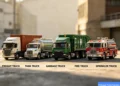
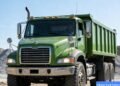
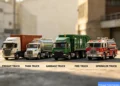
Jakarta’s construction and mining sectors are massive, and the demand for reliable dump trucks is constant. After years of operating fleets and testing various models across Southeast Asia, I can tell you that the top dump truck manufacturers in Jakarta aren’t just the global giants. Local assemblers and regional players, including several from China, have carved out a significant share by offering competitive pricing and robust parts availability. The real leaders are those who balance payload capacity with fuel efficiency and, most importantly, provide reliable after-sales support in the city’s challenging traffic and wet-season conditions.
Real-World Usage Scenarios in the Jakarta Market
Jakarta isn’t a single terrain type. You have the coastal reclamation projects in Ancol, the massive earthmoving for the MRT and toll road expansions, and the heavy mining hauls out towards Bogor and Cilegon. Each demands a different truck configuration.

Urban Construction and Muck Removal
For inner-city projects, maneuverability and axle configuration are critical. You see a lot of 6×4 and 8×4 chassis from manufacturers like Hino and Isuzu, but the newer Chinese models are becoming common. These trucks handle tight urban muck transport routes where speed is low but cycle times are high. The key here isn’t raw power but the durability of the hydraulic system and the suspension for repeated stop-and-go on potholed roads.
Mining and Quarry Hauls
Outside the city, in the limestone and andesite quarries, the game changes completely. You need high torque at low RPM and a reinforced frame. I’ve seen fleets using older Japanese models being replaced by newer, more cost-effective heavy-duty dump trucks for sale from manufacturers who understand high-density material transport. The operating costs per ton are the only metric that matters here.
Performance Breakdown: Engine, Torque, and Payload
Let’s get into the specifics of what moves these trucks. The engine and drivetrain are the heart of any dump truck operation in Jakarta.
Engine Options and Fuel Efficiency
Most operators in Jakarta are moving away from pure mechanical injection to common rail diesel engines for better fuel economy. A typical 8×4 dump truck for construction will have an engine in the 280-350 HP range. For mining, you’re looking at 380 HP and above. Fuel consumption varies significantly. In heavy mining operations, depending on load cycles, you can see figures from 50 to 80 liters per 100 km. This is where operational planning becomes critical in mining fleet management. For deeper insights into how these trucks perform in dense environments, you can review our analysis on mining industry truck solutions.
Torque Curves and Transmission Matching
Torque isn’t just about the peak number; it’s about where it hits. For Jakarta’s stop-and-go and the steep ramps in quarries, a flat torque curve from 1200 to 1600 RPM is ideal. Many operators prefer manual transmissions for their mechanical simplicity and lower repair costs, but automated manuals are gaining ground for reducing driver fatigue. The real test is how the transmission handles a full load on a wet incline.
Payload and Structural Integrity
Payload is the most abused specification in the Jakarta market. Operators often overload by 20-30%. The best manufacturers build their chassis and suspension to handle this abuse. The frame rail thickness, the type of steel (like BS or RAEX), and the welding quality at the cross members are what separate a truck that lasts 5 years from one that starts cracking in 2. The body (dump box) itself must be made of Hardox or equivalent wear-resistant steel for abrasive loads like sand and rock.
Maintenance and Lifecycle Cost Analysis
Total Cost of Ownership (TCO) is the deciding factor for any serious fleet owner. Initial purchase price is just the entry fee.
Parts Availability and Service Networks
In Jakarta, a truck that is down for a week is a financial disaster. The top manufacturers have major parts depots in Sunter and Cakung. Japanese brands have the deepest network, but the leading Chinese manufacturers have caught up significantly in the last five years. They now stock common wear items like brake shoes, filters, and hydraulic seals locally. The biggest hidden cost is often the downtime waiting for a differential or gearbox part from overseas.
Common Repair Patterns
From my experience managing repairs, the most frequent issues are in the hydraulic system (pump seals and cylinder leaks) and the rear suspension. Leaf spring breakage is common under overload conditions. Brake drum wear is accelerated by Jakarta’s traffic. A well-maintained truck will see its first major engine overhaul around 400,000 to 500,000 km. A poorly maintained one might need it at 200,000 km. Understanding the dump truck cost breakdown helps you budget for these inevitable repairs.
Resale Value and Depreciation
Depreciation curves differ. A 5-year-old Japanese dump truck holds about 50-60% of its value if well-maintained. Chinese trucks depreciate faster initially but stabilize at a lower price point, making them attractive for second-tier operators. The key factor influencing resale is the service history and whether the truck has been involved in an accident.
Comparison: Key Dump Truck Types in Jakarta
To help you decide, here is a practical comparison based on common operating conditions in Jakarta and its surroundings. This table reflects real-world data from fleet logs and operator reports.
| Truck Type | Typical Payload (tons) | Fuel Consumption (L/100km) | Common Application | Estimated Annual Maintenance Cost (USD) |
|---|---|---|---|---|
| 6×4 Rigid Dump (e.g., Hino FM 260) | 15-18 | 35-45 | Urban construction, muck removal | $8,000 – $12,000 |
| 8×4 Heavy Dump (e.g., Sinotruk Howo) | 25-30 | 45-60 | Large infrastructure, quarry hauls | $15,000 – $22,000 |
| Articulated Dump Truck (ADT) (e.g., Volvo A40G) | 35-40 | 60-80 | Mining, reclamation, soft terrain | $30,000 – $45,000 |
| Light Duty Dump (e.g., Isuzu NLR) | 4-6 | 15-20 | Small projects, landscaping, deliveries | $4,000 – $6,000 |
Buyer Decision Factors: Fleet Size, Terrain, and Workload
Your choice should be driven by your specific operational profile. There is no one-size-fits-all truck for Jakarta.
Fleet Size and Standardization
If you run a small fleet of 2-5 trucks, you are better off with a brand that has a very dense service network, like Hino or Mitsubishi. For larger fleets of 20+ trucks, you can absorb the risk and cost of a less established brand because you can stock your own parts and have a dedicated mechanic. Larger fleets benefit from the lower purchase price of Chinese trucks, like those from construction dump truck manufacturers that offer volume discounts.

Terrain and Road Conditions
For purely on-road work in Jakarta, a standard 6×4 or 8×4 with a leaf spring suspension is fine. For off-road applications in mining or reclamation, you need a truck with a stronger frame, a locking differential, and a higher ground clearance. Articulated dump trucks are superior for soft ground but have much higher tire costs.
Workload and Cycle Times
If your trucks are running 20-hour shifts, you need a powertrain that is built for endurance. This means a larger cooling system, a heavy-duty radiator, and a robust air intake system to handle Jakarta’s dust. For lower-cycle operations (one shift per day), you can prioritize fuel economy and comfort over raw durability. The workload directly dictates the lifecycle cost and the payback period of the investment.
FAQ: Dump Trucks in Jakarta
What is the most reliable dump truck brand for Jakarta traffic?
For pure reliability and parts availability, Hino and Isuzu are the safest bets. However, the newer generation of Sinotruk and Shacman trucks have proven to be very reliable when properly maintained, especially for heavy-haul applications where their simpler electronics are an advantage.
How much does a new dump truck cost in Jakarta?
Prices vary widely. A light-duty Isuzu dump truck starts around IDR 600 million. A heavy-duty 8×4 Chinese dump truck can range from IDR 1.2 billion to IDR 1.8 billion. A premium Japanese or European 8×4 can cost over IDR 2.5 billion. The price depends heavily on the body specification and the financing terms.
Is it better to buy a used dump truck from Japan or a new one from China?
This is a common dilemma. A used Japanese truck (3-5 years old) is often well-built but may have high mileage and unknown maintenance history. A new Chinese truck offers a warranty and lower initial cost but may have lower resale value. For a fleet owner with a good mechanic, a new Chinese truck often provides a better cost-per-ton over the first five years.
What maintenance is most critical for a dump truck in Jakarta?
Hydraulic system maintenance is number one. Check the oil level and filter every 250 hours. The second is the braking system. Jakarta’s traffic is brutal on brakes. Inspect drums and shoes weekly. Third, the suspension. Leaf springs and U-bolts should be checked for cracks, especially after overloads.
How do I choose the right dump truck body type for my material?
For sand and gravel, a standard steel body is fine. For rock and boulders, you need a reinforced body with a hardox floor and side wear plates. For sticky clay or wet muck, a “bathtub” style body with heated floors is useful to prevent material from sticking. The wrong body type will drastically reduce your payload and increase downtime.
Final Observations
The dump truck market in Jakarta is driven by hard numbers: cost per ton, uptime, and resale value. The manufacturers that succeed here are those that provide a complete package, not just a machine. If you are planning a major purchase, look beyond the horsepower figures. Spend time talking to the local dealer’s service manager. Visit a fleet that uses the model you are considering. That real-world feedback is worth more than any brochure. For a broad overview of reliable manufacturers, you can check the profiles at heavy truck manufacturer pages to see how different OEMs approach the Jakarta market.