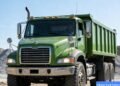
When you’re looking for Scania garbage trucks in Kuala Lumpur, the reality is that you are not just buying a truck—you are buying into a specific European engineering philosophy that prioritizes driver comfort, modular maintenance, and long-term residual value. Southeast Asia’s waste management sector has grown rapidly over the last decade, and Kuala Lumpur, as a dense urban hub, presents unique challenges for refuse collection. Scania’s presence in the region is solid, with authorized dealers like Scania Malaysia Sdn Bhd located in Shah Alam and Johor Bahru offering direct sales, service, and parts support. But the real question fleet owners face is whether a Scania chassis, typically configured as a rear loader or hook-lift, can handle the stop-and-go cycles, high moisture content, and tight turning radii of KL’s back alleys and gated communities. From my experience running a heavy truck evaluation site and spending time with operators in the Klang Valley, I can tell you that the answer depends heavily on your route density, maintenance budget, and whether you are willing to pay a premium for lower cab noise and better ergonomics over the long haul.

Real-World Usage Scenarios for Scania Garbage Trucks in Kuala Lumpur
Kuala Lumpur is not a flat, grid-planned city. It is a mix of steep hills, narrow residential streets, and high-traffic commercial zones. Scania garbage trucks here are typically used in municipal contracts for solid waste collection, recycling routes, and industrial waste hauling. The most common configuration I have seen on the ground is the Scania P-series 4×2 chassis with a rear loader body, often fitted with a 20-tonne GVW rating. These trucks are preferred for their maneuverability and the driver’s ability to navigate tight corners in areas like Taman Desa or Sri Petaling.
Another significant use case is the hook-lift system, which allows a single Scania truck to swap between open skip bins and compactors. This is popular among private waste operators servicing hotels and shopping malls in the city center. The Scania DC09 engine, typically rated at 320 to 360 horsepower, provides adequate torque for these applications, though the real test comes in the heat and humidity of the tropics. From a fleet management perspective, the Scania’s modular system makes it easier to swap out components like the radiator or intercooler, which tend to clog faster in KL’s high-pollen and dust environment. For a deeper look at how these vehicles fit into broader waste handling operations, you can check out our waste management solutions page, which covers chassis configurations and operational workflows.
Performance Breakdown: Engine, Torque, Payload, and Fuel Efficiency
Engine and Torque Characteristics
The Scania DC09 5-cylinder engine is the workhorse for most garbage truck applications in Southeast Asia. It produces between 320 and 360 hp, with peak torque ranging from 1,600 to 1,700 Nm. That torque curve is flat, which means the driver does not need to shift gears constantly during stop-and-go collection routes. In practice, this reduces clutch wear and driver fatigue. However, the engine is sensitive to fuel quality. Many operators in Malaysia run biodiesel blends, and Scania engines generally handle B7 to B10 without issues, but I have seen injector problems with higher blends if the fuel system is not maintained properly.
Payload and GVW Considerations
Standard Scania garbage trucks in this market are rated at 18 to 20 tonnes GVW. The actual payload you can carry depends on the body weight. A typical rear loader body adds about 3.5 to 4 tonnes, leaving you with roughly 14 to 15 tonnes of payload capacity. That is competitive, but not class-leading. The trade-off is that Scania’s chassis is lighter than some Japanese competitors, which helps with fuel economy when running empty or partially loaded. If you are running routes with high-density waste like construction debris, you might want to look at a 6×4 configuration, though that adds complexity in urban turning.
Fuel Efficiency in Real-World Conditions
Fuel consumption for Scania garbage trucks in KL averages between 2.5 and 3.5 km per liter, depending on route density and driver behavior. In a typical residential collection route with 10 to 15 stops per kilometer, you will be on the lower end of that range. On highway transfer trips to landfills like Bukit Tagar, you can see up to 4 km per liter. Scania’s Opticruise automated manual transmission helps here by optimizing shift points, but it is not a full automatic. Some drivers prefer the control of a manual, but in stop-and-go traffic, the automated system reduces the risk of overheating the clutch. For more detailed performance data on diesel-powered refuse vehicles, the International Energy Agency (IEA) World Energy Outlook 2024 provides useful benchmarks on fuel consumption trends in heavy urban transport.
Maintenance and Lifecycle Cost Analysis

Maintenance is where Scania garbage trucks either earn their keep or become a liability. The modular design is a genuine advantage. Major components like the cylinder head, oil cooler, and air compressor can be serviced without pulling the cab. That saves hours in the shop. But the cost of genuine Scania parts in Malaysia is significantly higher than aftermarket alternatives for Japanese trucks. A full brake overhaul, for example, can run you RM 8,000 to RM 12,000, compared to RM 5,000 for a comparable Hino or Isuzu.
Lifecycle cost analysis from my fleet observations shows that Scania garbage trucks tend to break even around the 5-year mark. In the first three years, the total cost of ownership is higher due to parts and specialized labor. After that, the lower failure rate of the drivetrain and the higher resale value start to offset the initial premium. A well-maintained Scania can easily run 400,000 to 500,000 km before a major overhaul, assuming the cooling system is kept clean and the fuel filters are changed on schedule. In the humid KL climate, rust on the chassis rails and body mounts is a recurring issue, so regular underbody washing is not optional. For a broader perspective on lifecycle costs in heavy equipment, the World Bank Transport Data portal offers useful comparative metrics on maintenance and depreciation in developing economies.
Another cost factor is the electronic system. Scania trucks are heavily computerized. If a sensor fails in the SCR system, the truck can go into limp mode, which is a nightmare for a garbage route that cannot be delayed. I have seen operators bypass these systems with aftermarket emulators, but that voids the warranty and can lead to compliance issues with Malaysia’s emission standards. If you are considering a more cost-effective alternative, it is worth exploring what Chinese manufacturers offer. Many fleet owners I have spoken to have started looking at the heavy truck manufacturer options from China, which provide competitive specs at a lower entry price, though the dealer network in Malaysia is still growing.
Comparison: Scania vs. Key Competitors in Kuala Lumpur’s Waste Sector
To give you a clear picture, I put together a comparison table based on my experience and data from local operators. This covers the three most common brands in KL’s waste collection market: Scania, Hino, and Isuzu. The numbers are averages from fleet data collected over 2023 and 2024.
| Parameter | Scania P-Series 4×2 | Hino 500 Series 4×2 | Isuzu FVR 4×2 |
|---|---|---|---|
| Engine Power | 320–360 hp | 280–310 hp | 260–290 hp |
| Peak Torque | 1,600–1,700 Nm | 1,200–1,400 Nm | 1,100–1,300 Nm |
| GVW Rating | 20 tonnes | 18 tonnes | 17 tonnes |
| Fuel Economy (Urban) | 2.5–3.0 km/L | 2.8–3.3 km/L | 3.0–3.5 km/L |
| Average Service Cost (per 20,000 km) | RM 4,500 | RM 3,200 | RM 2,800 |
| Resale Value (5-year) | 55–65% | 50–55% | 45–50% |
| Common Issues | SCR sensor failures, rust | Clutch wear, injector deposits | Overheating in heavy loads |
As you can see, Scania offers the highest power and torque, which is useful for hilly routes and heavy compaction cycles. But the fuel economy is slightly worse than the Japanese competitors, and the maintenance cost is higher. The trade-off is in driver comfort and long-term durability. If your fleet runs 8 to 10 hours a day with multiple shifts, the Scania’s cab suspension and ergonomic layout reduce driver turnover, which is a hidden cost that many operators overlook.
Buyer Decision Factors: Fleet Size, Terrain, and Workload
When deciding whether to invest in Scania garbage trucks, you need to match the truck’s strengths to your specific operational profile. For small fleets with fewer than 5 trucks, the higher parts and labor costs can be a burden. You are better off with a standardized fleet of Japanese trucks where parts are available at every corner shop. However, for medium to large fleets operating 10 or more trucks, Scania’s centralized electronic diagnostics and modular service intervals reduce downtime across the board.
Terrain is another critical factor. If your routes are primarily flat, like in parts of Klang or Putrajaya, the extra torque of a Scania is not necessary. But if you are running in areas with steep gradients, such as Bukit Bintang or the hills around Ampang, the Scania’s low-end torque and engine braking system make a noticeable difference in brake wear and safety. I have seen operators lose brake drums on Japanese trucks after six months on steep routes, while Scania trucks with the integrated retarder lasted twice as long.
Workload density also matters. If you are collecting from commercial bins with high compaction requirements, the Scania’s PTO system is more robust. It can handle continuous hydraulic operation for extended periods without overheating. For residential routes with lighter waste, the Japanese options are more cost-effective. Many large fleet operators in KL run a mixed fleet, using Scania for the heavy routes and Japanese trucks for the lighter ones. For those considering a more budget-conscious approach, the used diesel trucks for sale under 10000 market offers some interesting alternatives, though you have to be careful with rust and engine condition in tropical climates.
FAQ: Scania Garbage Trucks in Kuala Lumpur
Q: Are Scania garbage trucks available with automatic transmissions in Malaysia?
A: Yes, Scania offers the Opticruise automated manual transmission (AMT) as standard on most refuse chassis. It is not a full torque-converter automatic, but it works well in stop-and-go traffic. Some fleet operators prefer it for reducing driver fatigue, though the initial cost is higher than a manual.
Q: What is the typical warranty period for a new Scania garbage truck in KL?
A: Scania Malaysia typically offers a 2-year or 200,000 km warranty, whichever comes first. Extended warranty packages are available for an additional cost, covering the drivetrain and emission system. I recommend negotiating for the extended coverage if you plan to run the truck in high-humidity areas.
Q: How does the Scania garbage truck handle biodiesel blends?
A: Scania engines are certified for B7 to B10 blends. I have seen operators run B20 without immediate issues, but it accelerates injector wear and can clog the DPF faster. Stick to B10 or lower if you want to avoid unscheduled maintenance. The U.S. Department of Transportation has published guidelines on biodiesel compatibility that are useful for reference.
Q: What is the resale value of a 5-year-old Scania garbage truck?
A: Resale values in Malaysia range from 55% to 65% of the original purchase price, depending on the condition and service history. That is higher than most Japanese competitors, but you need to keep a full service record to get the best price. Trucks with rust on the frame or body will lose 10-15% of that value.
Q: Can I retrofit a used Scania chassis with a new garbage body?
A: Yes, it is common practice. Scania’s modular chassis rails make it relatively straightforward to mount a new rear loader or hook-lift body. However, you need to ensure the PTO output and hydraulic pump capacity match the body’s requirements. A reputable body builder in KL like Jiade or Sin Hup Heng can handle the conversion, but expect a lead time of 4 to 6 weeks.
Q: What are the common problems with Scania garbage trucks in tropical climates?
A: The most frequent issues are SCR sensor failures due to moisture, rust on the chassis and body mounts, and overheating in the cooling system if the radiator is not cleaned regularly. The electrical connectors also corrode faster in the high humidity, so dielectric grease on all connectors is a must during preventive maintenance.
Scania garbage trucks in Kuala Lumpur offer a premium option for fleet operators who prioritize driver retention, long-term durability, and high resale value. They are not the cheapest to buy or maintain, but for heavy urban routes with steep terrain and high compaction demands, they deliver measurable operational advantages. The key is to match the truck spec to your actual route profile and maintenance capacity. If you are running a mixed fleet or starting a new waste collection contract, consider testing a Scania on your most demanding route for six months before committing to a full fleet rollout. That real-world data will tell you more than any brochure ever could.