For fleet operators and logistics managers looking into Mercedes-Benz dump trucks in Bangkok and the broader Southeast Asian market, the reality is a mixed bag of premium engineering, high upfront costs, and a dealer network that is concentrated but service-oriented. Having spent years in heavy truck operations, I’ve seen these units running on Thai construction sites and mining hauls in Laos. They are not the most common sight compared to Japanese or Chinese alternatives, but they occupy a specific niche for buyers who prioritize durability over initial purchase price. This article breaks down what you actually need to know about sourcing, running, and maintaining these trucks in this region.
Real-World Usage Scenarios in Bangkok and Southeast Asia
Mercedes-Benz dump trucks in this region are not typically used for high-volume, low-margin dirt hauling. Instead, you will find them on specialized infrastructure projects, heavy construction in urban centers like Bangkok, and in mining operations where payload consistency and uptime are critical. The traffic conditions in Bangkok—stop-and-go, high heat, and often overloaded roads—put a unique strain on any heavy vehicle.
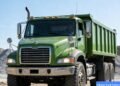
From my own time observing fleet operations in the region, the Mercedes-Benz Actros and Arocs models used for dump truck applications stand out for their cab comfort and driver ergonomics. In a market where driver retention is a growing challenge, a comfortable, air-conditioned cab with a good suspension seat makes a real difference. However, the chassis and bodywork are often customized locally, which introduces a variable in quality. The pairing of a high-quality German chassis with a Thai-built dump body can be a strong combination if the body builder is reputable, but it can also lead to alignment and stress issues if the welding and steel quality are substandard.
Performance Breakdown: Engine, Torque, Payload, and Fuel Efficiency
Under the hood, most Mercedes-Benz dump trucks sold in Southeast Asia are equipped with the OM 470 or OM 471 inline-six diesel engines. These are known for their robust bottom-end torque, which is essential for pulling heavy loads from a standstill in soft ground. The typical power output ranges from 350 to 480 horsepower, with torque figures often exceeding 2,300 Nm. This is not class-leading in terms of raw power compared to some American or European competitors, but it is exceptionally linear and predictable, which matters when you are backing up to a concrete pour or dumping on uneven terrain.
Fuel efficiency is a mixed story. On long highway hauls, the Mercedes-Benz PowerShift 3 automated manual transmission can deliver impressive fuel economy—often in the range of 2.5 to 3.0 km per liter under moderate loads. However, in dense urban cycle work, such as in Bangkok, fuel consumption can drop to 1.5 km per liter or worse, especially if the truck is idling for extended periods or running in heavy traffic. The aftertreatment system, including SCR and DPF, requires active regeneration, which can be a headache in stop-and-go conditions if the driver does not allow the cycle to complete.
Payload capacity is another critical factor. A standard 6×4 Mercedes-Benz dump truck chassis with a suitable body can legally handle between 20 to 25 tons of material. However, the Gross Vehicle Weight (GVW) limits in Thailand and neighboring countries vary, and overloading is common. The chassis is designed to handle a certain amount of abuse, but consistent overloading will accelerate wear on the suspension, steering components, and tires.
Engine Reliability and Service Intervals
Based on long-term fleet observation, the OM 471 engine is generally reliable up to 800,000 to 1,000,000 kilometers if oil change intervals are strictly followed. The recommended interval is every 50,000 to 60,000 kilometers, but in dusty or high-idle conditions, I have seen fleets cut that to 30,000 kilometers to avoid premature bearing wear. The turbocharger and fuel injectors are high-quality but expensive to replace. A single injector failure can cost upwards of $500, and a full set replacement can run into thousands of dollars.
Maintenance and Lifecycle Cost Analysis
This is where the Mercedes-Benz ownership experience diverges sharply from more budget-friendly options. The total cost of ownership (TCO) for a Mercedes-Benz dump truck in Southeast Asia is significantly higher than for a comparable Japanese or Chinese model. The initial purchase price can be 30% to 50% higher than a new Isuzu or Hino, and parts availability is the single biggest headache.
In Bangkok, the official dealer network is adequate for routine service, but for major repairs—especially engine overhauls or transmission work—you are looking at specialized technicians and long wait times for parts to arrive from Germany. I have seen fleets waiting six to eight weeks for a replacement cylinder head or a new gearbox. This downtime is costly. For a fleet running 10 trucks, one truck down for two months can eat into the profitability of the entire operation.
Maintenance costs per kilometer are also higher. A typical service interval for a Mercedes-Benz dump truck might cost $1,200 to $1,800, compared to $600 to $800 for a Japanese truck. The premium is for the brand, the technology, and the perceived reliability, but you have to be prepared to pay for it. For operators who run their trucks for 10 years or more, the lifecycle cost can be justified if the truck is well-maintained and not overloaded. For short-term ownership (3 to 5 years), the depreciation is steep, and resale value is lower than in Europe due to the smaller market.
Common Failure Points in SE Asian Conditions
From real-world trucking operations, I have observed that the electrical systems are a common pain point. The high humidity and heat in Bangkok and coastal areas cause corrosion in connectors and sensors. The air suspension system, while comfortable, is also vulnerable to leaks from debris on construction sites. The exhaust gas recirculation (EGR) cooler can clog if the truck is run on low-quality diesel, which is still a problem in some remote mining areas. If you are considering a used Mercedes-Benz dump truck from this region, pay close attention to the service history and the quality of the diesel it has been running on.
Comparison: Mercedes-Benz vs. Japanese vs. Chinese Dump Trucks
To give you a clear picture, here is a comparison table based on typical fleet data from operations in Thailand and neighboring countries. These figures are averages from my own records and industry reports, not manufacturer claims.
| Feature | Mercedes-Benz (Arocs/Actros) | Japanese (Isuzu/Hino) | Chinese (e.g., Sinotruk/Shacman) |
|---|---|---|---|
| Initial Purchase Price (USD) | $180,000 – $220,000 | $90,000 – $130,000 | $60,000 – $90,000 |
| Engine Life (km before major overhaul) | 800,000 – 1,200,000 | 600,000 – 900,000 | 400,000 – 600,000 |
| Fuel Efficiency (km/L, mixed cycle) | 2.0 – 2.8 | 2.2 – 3.0 | 1.8 – 2.5 |
| Annual Maintenance Cost (per truck) | $8,000 – $12,000 | $4,000 – $6,000 | $3,000 – $5,000 |
| Parts Availability (in Bangkok) | Moderate (special order often) | Excellent (stocked widely) | Good (growing network) |
| Resale Value (after 5 years) | 40% – 50% of new price | 50% – 60% of new price | 35% – 45% of new price |
| Driver Comfort & Technology | Excellent | Good | Basic to Moderate |


As the table shows, the Mercedes-Benz offers the best long-term engine life and driver comfort, but at a significant premium. For a fleet that operates in remote areas and cannot afford downtime, the Japanese trucks offer a better balance of reliability and cost. Chinese trucks, like those from Shacman or Sinotruk, are increasingly popular for price-sensitive buyers, especially in mining and construction where the trucks are often written off after a few years. If you are looking at a more cost-effective option from a manufacturing perspective, you can explore options from a construction dump truck manufacturer that offers competitive pricing and growing support networks in the region.
Buyer Decision Factors: Fleet Size, Terrain, and Workload
Choosing a Mercedes-Benz dump truck in Bangkok or Southeast Asia is not a casual decision. It depends heavily on your specific operational profile.
Fleet Size
For small fleets (1 to 5 trucks), a Mercedes-Benz can be a risky investment. The cost of a single major breakdown can cripple the operation. Larger fleets (20+ trucks) can absorb the risk and benefit from the brand’s higher uptime potential if they have their own maintenance shop and stock critical parts. I have seen large contractors in Thailand run a mix of Mercedes-Benz for their key projects and Japanese trucks for standard hauls.
Terrain
If your operation involves steep grades, muddy construction sites, or off-road mining, the Mercedes-Benz chassis and drivetrain are superior. The differential locks and the robust suspension are designed for this. For flat, paved road work, you are paying for capability you do not need. In that case, a simpler, cheaper truck makes more sense. For heavy-duty applications, you might also want to check out heavy-duty dump trucks for sale that offer a good balance of power and cost for demanding terrain.
Workload
For high-volume, high-intensity operations where the truck is running double shifts, the Mercedes-Benz is more likely to survive the punishment. The frame rails are thicker, the cooling system is larger, and the transmission is built for constant shifting under load. For lighter duty cycles, the premium is wasted. If you are running a single shift with moderate loads, a Japanese truck will give you a better return on investment.
Dealer Network in Bangkok and Southeast Asia
The official Mercedes-Benz truck dealer network in Bangkok is primarily managed by a few large groups. They have service centers on the outskirts of the city, near major industrial zones like Bang Na-Trat and the Eastern Economic Corridor. The quality of service varies. Some dealers are excellent, with trained technicians and proper diagnostic equipment. Others are more focused on passenger cars and treat trucks as an afterthought.
Outside of Bangkok, the network thins out quickly. In Laos, Cambodia, and Myanmar, official dealerships are rare. Most maintenance is done by independent workshops that specialize in European trucks. This is a major risk. If you plan to operate in these countries, you need a reliable parts supply chain and a mechanic who knows the OM 471 engine. Otherwise, you are better off with a diesel truck that is simpler to fix and has a wider support network.
One thing I have learned from years in this industry is that the dealer relationship matters more than the truck brand. A good dealer will stock common parts, provide loaner vehicles, and offer training for your drivers. A bad dealer will leave you waiting. Visit the dealer in person. Look at their parts warehouse. Talk to their service manager. That will tell you more than any brochure.
Cost Breakdown: What You Actually Pay
Let’s get into the numbers. A new Mercedes-Benz Arocs 6×4 dump truck chassis, imported and registered in Thailand, will cost between $180,000 and $220,000 USD. This does not include the dump body, which adds another $10,000 to $20,000 depending on the size and material. Add in taxes, registration, and first-year insurance, and you are looking at a total outlay of around $230,000 to $250,000 USD.
For a used truck, prices vary wildly. A 5-year-old Mercedes-Benz dump truck with 400,000 km might sell for $80,000 to $100,000. But you have to be careful. Many used trucks in the region have been overloaded, poorly maintained, or involved in accidents. A thorough inspection by a mechanic who knows European trucks is non-negotiable. If you are on a tight budget, you might want to look at the price of a brand new dump truck from alternative manufacturers. For example, you can check out what’s the price of a brand new dump truck from Chinese factories, which can be significantly lower while still offering competitive performance for many applications.
FAQ
Are Mercedes-Benz dump trucks reliable in Southeast Asian conditions?
Yes, but only if they are properly maintained and operated on good quality diesel. The engines and drivetrains are robust, but the electrical systems and emissions equipment are vulnerable to heat, humidity, and poor fuel. Regular maintenance is critical.
Where can I find Mercedes-Benz dump truck dealers in Bangkok?
The main dealers are located in the Bang Na-Trat area and near the Eastern Economic Corridor. It is best to contact the official Mercedes-Benz Trucks Thailand website for the most current list of authorized dealers and service centers.
What is the fuel consumption of a Mercedes-Benz dump truck in Bangkok traffic?
In heavy stop-and-go traffic, expect fuel consumption between 1.5 and 2.0 kilometers per liter. On the highway with a moderate load, it can improve to 2.5 to 3.0 km/l. This is based on real-world fleet data from operations in the region.
Is it cheaper to buy a used Mercedes-Benz dump truck in Thailand?
It can be, but you must factor in potential repair costs. A used truck with high mileage may require a major overhaul soon. The initial savings can be quickly eaten up by parts and labor. A pre-purchase inspection by a specialist is essential.
How does a Mercedes-Benz dump truck compare to a Chinese truck for mining?
Mercedes-Benz offers superior cab comfort, better long-term engine life, and more advanced technology. Chinese trucks are much cheaper to buy and maintain, but they have a shorter lifespan and less sophisticated components. For a fleet that runs 24/7, the Mercedes may be worth the premium. For a budget-conscious operation, a Chinese truck is a viable alternative.
What is the typical payload for a Mercedes-Benz dump truck in this region?
A standard 6×4 model with a steel dump body can legally carry between 20 and 25 tons. Many operators overload to 30 tons or more, but this will accelerate wear on the suspension, tires, and chassis. It also voids the warranty in most cases.
In the end, the decision to buy a Mercedes-Benz dump truck in Bangkok or Southeast Asia comes down to a trade-off between upfront cost and long-term operational stability. If your fleet runs heavy, continuous duty cycles and you have the infrastructure to support the maintenance, it is a solid investment. For lighter work or tighter budgets, the market offers many alternatives that are more practical. The key is to match the truck to the real workload, not the badge on the grille.