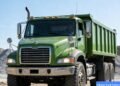
If you asked me the simplest way to answer How to Choose a Dump Truck for Mining, I would say this: start with the material, the haul road, the target payload, and the total cost per ton moved—not the sticker price alone. I have seen buyers overspend on horsepower they did not need, underspec the body for abrasive rock, and ignore service access until downtime started eating profit. A smart mining truck purchase is never just about buying a bigger machine. It is about matching the truck to loading conditions, cycle time, grade resistance, body wear, tire life, and maintenance reality. In this guide, I will walk ugh the exact process I use to compare mining dump trucks, rigid and articulated haulers, payload classes, engine setups, dump body specs, and sourcing options so you can make a decision that works in the field, not just on paper.
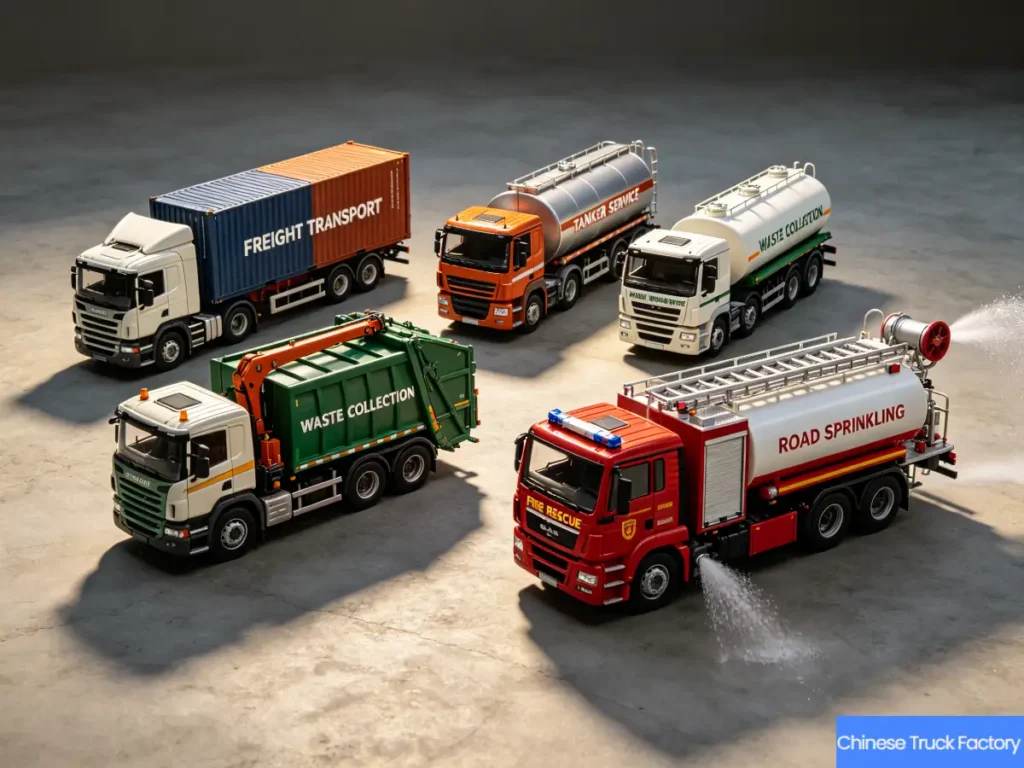
Author: Editorial Team at Chinese Truck Factory
Reading time: Long-form buyer’s guide
Use case: Fleet planning, replacement buying, first-time mining truck sourcing, and dump truck comparison
Before I get into specs, here is the reality that shapes every buying decision I make: haulage is one of the biggest risk areas in mining operations. The Mine Safety and Health Administration reports that powered haulage accidents accounted for 13 of 33 mining fatalities in , or 39% of the total. :contentReference[oaicite:0]{index=0} That is why I never separate truck selection from braking, visibility, stability, tire choice, operator comfort, and road conditions. A truck that looks cheap on a quote sheet can become expensive fast if it is hard to control, hard to service, or wrong for the haul profile.
What I look at first before I compare brands or prices
When people search for How to Choose a Dump Truck for Mining, they usually want a clear answer to one question: “Which truck fits my job without wasting money?” That is exactly the right question.
I start with five filters. If a truck fails even one of them, I stop there.
- Material type: soft overburden, blasted rock, ore, coal, sand, or mixed material
- Haul route: flat, rollingeep grade, deep pit, loose surface, sharp turns, narrow benches
- Payload target: average tons per cycle, not just maximum brochure payload
- Loading tool match: excavator bucket size, loader pass match, and cycle synchronization
- Support reality: parts access, mechanic skill level, tire supply, and turnaround time
That last point gets ignored too often. In my experience, a truck with slightly lower headline specs but easier parts support can outperform a higher-spec unit over a full operating year simply because it spends more time moving material and less time parked.
Start with the mine, not the truck
The fastest way to make a bad buying decision is to fall in love with a model before you understand the mine. The site should dictate the trunot the other way around.
Ground conditions
If the haul road is soft, muddy, uneven, or constantly changing, I pay close attention to traction, articulation, suspension travel, tire footprint, and weight distribution. In those situations, an articulated dump truck may outperform a rigid truck even if the rigid unit looks stronger on paper.
Material density and impact
Heavy rock and high-impact loading call for a reinforced body, wear plates, strongerewalls, and frame integrity that can take repeated shock loading. Fine material changes the equation because it can affect carryback, sticking, and body clean-out.
Road design
A long uphill haul demands torque, cooling efficiency, and braking confidence on the return trip. A short shuttle route may favor a different balance between speed, maneuverability, and body size. The same truck will not perform equally well on both profiles.
Weather exposure
Dust, heat, water, freeze-thaw cycles, and visibility all shape the truck specification. Coo packages, sealed electrical components, filtration, and body liner choices are not optional details when the truck works every day in harsh conditions.
Rigid or articulated: which one makes more sense?
This is one of the biggest decisions in any mining dump truck selection process. If you are asking How to Choose a Dump Truck for Mining, this is where your shortlist really begins.
| Factor | Rigid Dump Truck | Articulated Dump Truck |
|---|---|---|
| Best for | Higher-volume haulage on more consistent roads | Rough, soft, narrow, or variable ground conditions |
| Turning flexibility | Lower | Higher |
| Payload potential | Usually higher in comparable duty classes | Usually lower, but more adaptable off-road |
| Road quality requirement | Handles imperfect roads better | |
| Stability at speed | Strong on suitable haul roads | Strong in rough terrain, but route design matters |
| Maintenance complexity | Straightforward in many mining fleets | More moving joints and articulation components |
My rule is simple. If the road is well maintained, the haul is repetitive, and the operation wants higher-volume movement, I lean toward rigid dump trucks. If the terrain is rough, the route is tight, or the road condition changes constantly,ive articulated trucks a serious look.
Many buyers make the mistake of using a rigid truck where the road is not ready for it. That often leads to higher tire wear, frame stress, slower real-world cycle times, and more operator fatigue than expected.
Choose the right payload class by matching the loader, not by chasing the biggeumber
One of the most expensive habits in fleet buying is shopping by maximum payload alone. Bigger is not automatically better. The right payload is the one that fits your loader pass match, haul distance, road width, dumping area, and production targ/p>
When I evaluate dump truck capacity for mining, I ask these questions:
- How many loader or excavator passes fill the body efficiently?
- Will the truck regularly leave partially loaded because of bucket mismatch?
- Can the road safely support the loaded truck weight in all seasons?
- Can the dump point handle the turning radius and body raise angle?
- Will the selected payload class bottleneck the loading tool or the crusher feed schedule?
My preferred loading target is usually a clean pass match that keeps the loading unit productive without forcing chronic overload. If it takes too many passes to fill the truck, the loader becomes the bottleneck. If the bucket is too large, operators are tempted to overload or unevenly load the body, which creates stress and safety problems.
A practical way to think about payload
Instead of asking, “What is the biggest mining dump truck I can buy?” ask, “What truck moves the most saleable tons per hour with the fewest avoidable delays?” That question will save you money.
Body design matters more than many first-time buyers think
The dump body is where the mine and the truck meet. If you get the body wrong, you will feel it in wear cost, carryback, structural fatigue, and downtime.
Body shape
For free-flowing material, body clean-out is usually straightforward. Sticky clay or wet fines are different. In that case, I pay close attention to body slope, liner options, and whether the floor will hold material after dumping.
Steel thickness and wear package
Abrasive material needs stronger floor protection and reinforced high-impact zones. A body that is too light may save money upfront, but it will not stay cheap after repeated rock loading.
Tailgate or no tailgate
That depends on the material and haul conditions. Some applications benefit from better retention. Others do better with a simpler body layout and fewer components to maintain.
Center of gravity
I always review how body volume and sidewall height affect stability. A body that looks attractive because it carries more loose volume can become a rollover risk if the material shifts or the road crown is poor.
Engine, transmission, and retarder setup: where real operating cost shows up
If you truly want to understand How to Choose a Dump Truck for Mining, you have to move beyond brochure horsepower. I care more about usable torque, cooling performance, drivetrain durability, gear spacing, downhill control, and serviceability.
Power is only useful if the truck can hold production all shift
I would rather buy a truck with a well-matched powertrain and stable thermal performance than a more aggressive engine tune that runs hot or becomes hard to maintain. In mining, consistency wins.
Transmission behavior affects productivity
On repetitive haul cycles, poor shift logic wastes time and fuel. I look for smooth engagement under load, predictable gear selection on grades, and a drivetrain that does not fight the operator during stop-start work.
Retarder and braking support are non-negotiable
Loaded downhill travel puts enormous pressure on the truck. Reliable service brakes matter, but so does the full retarding package. If the truck regularly descends with a heavy load, I treat braking confidence as a core buying criterion, not a nice extra.
That approach is supported by accident data as well. NIOSH reported that over a 20-year period, 152 miner deaths involved haul trucks, and 42% of those deaths involved loss of truck control. :contentReference[oaicite:1]{index=1} In practical buying terms, that means I do not cut corners on braking system quality, visibility, or operator support features.
Tires, suspension, and frame strength: the hidden profit drivers
In many operations, tires become one of the fastest-moving cost lines after fuel and maintenance. That is why I always ask what the truck will do to tires, not just what tires will fit the truck.
Tire selection
Sharp rock, heat build-up, sidewall impact, and haul speed all change the right tire choice. If the route is severe, I want tire protection, not just load rating.
Suspension setup
A truck that rides too harshly on broken ground will transfer more punishment into the frame, body mounts, and operator. That usually shows up later as fatigue cracking, loose components, and lower driver confidence.
Frame reinforcement
Mining work is unforgiving. I inspect chassis construction, cross-member strength, weld quality, and known high-stress zones. A good-looking payload number means little if the frame spends its life near its fatigue limit.
Operator comfort is not a luxury in mining truck selection
I have seen buyers treat the cab like a marketing feature. That is a mistake. In mining, operator visibility, seat support, control layout, camera coverage, dust sealing, and noise control all affect productivity and safety.
When the operator is comfortable and can see clearly, the truck usually runs smoother, loads cleaner, dumps more accurately, and comes back with less avoidable damage. That is real value.
- Wide visibility around the loading area and dump point
- Clear mirrors and camera support
- Comfortable seat and reduced vibration
- Intuitive control layout for repetitive cycles
- Dust sealing and HVAC performance
- Clear instrumentation and warning logic
Do not buy a mining dump truck without calculating cost per ton moved
This is the single best advice I can give anyone researching How to Choose a Dump Truck for Mining. Never compare trucks by purchase price alone.
I compare trucks across a full ownership picture:
- Purchase price
- Expected payload per cycle
- Average cycle time
- Fuel or energy consumption
- Tire life
- Scheduled maintenance cost
- Unscheduled downtime risk
- Body wear cost
- Parts lead time
- Resale or second-life value
That is where many “cheap” trucks stop looking cheap. A low initial quote can be wiped out by slow parts supply, weak body life, excessive tire wear, or poor fuel efficiency under load.
I also keep an eye on the broader energy side of truck selection. The International Energy Agency notes that trucks and buses are responsible for more than 35% of direct road transport CO2 emissions. :contentReference[oaicite:2]{index=2} Even if your operation is not ready for full electrification, fuel burn, idling, retarder efficiency, and route design still matter because they directly affect operating cost and future compliance pressure.
A simple comparison framework I use when sourcing dump trucks for mining
Below is a practical scoring table you can use internally when you compare suppliers.
| Decision Factor | Weight | What I check |
|---|---|---|
| Payload fit | 15% | Real match to loader passes, road width, and production target |
| Road compatibility | 15% | Traction, stability, turning radius, and grade performance |
| Body durability | 10% | Floor thickness, sidewall strength, liner options, impact resistance |
| Powertrain suitability | 10% | Torque delivery, cooling, transmission logic, retarder setup |
| Safety package | 10% | Braking confidence, visibility, warning systems, cab ergonomics |
| Maintenance access | 10% | Service points, parts availability, diagnostic simplicity |
| Tire and suspension impact | 10% | Tire life risk, suspension durability, ride quality |
| Cost per ton moved | 15% | Total operating economics, not just purchase price |
| Supplier support | 5% | Warranty clarity, lead time, documentation, response speed |
This kind of scorecard makes it much easier to compare trucks fairly. It also keeps the buying conversation focused on operating fit instead of sales pressure.
Questions I ask every supplier before I ask for a final quote
When I am close to a buying decision, I stop talking in generalities and get very specific. Here are the questions I always ask:
- What is the recommended payload under my actual material density?
- What body steel grade and thickness are standard?
- What are the common wear points after the first operating year?
- How easy is it to access filters, cooling components, and brake service points?
- What tires are fitted as standard, and what duty assumptions were used?
- What is the expected lead time for critical replacement parts?
- Can the truck be configured for my road condition and loading tool?
- What warranty items are excluded in abrasive-duty applications?
- What documentation is included for service and operator training?
- Can you share body, frame, and suspension details beyond the brochure sheet?
Good suppliers answer these questions clearly. Weak suppliers dodge them.
How I evaluate direct-from-factory purchasing
Buying direct can make a lot of sense in mining if you know exactly what you need and you have a disciplined specification sheet. It can also go wrong if the buyer focuses only on price and skips technical confirmation.
When I source directly, I look for four things:
- Specification transparency: the supplier should confirm body dimensions, frame details, axle setup, tire spec, and powertrain configuration in writing
- Application understanding: they should understand mining duty, not just general construction use
- Support readiness: manuals, parts support, response workflow, and warranty clarity should be easy to verify
- Configuration flexibility: the supplier should be able to adapt the truck to workload, body duty, and operating conditions
If you are evaluating factory-direct options, Chinese Truck Factory is one source worth reviewing because the site already separates mining, construction, diesel truck, and dump truck application pages in a way that makes early-stage comparison easier. You can review its mining industry truck solutions, compare a ready product like the DT-200 diesel dump truck, and cross-check broader buying guidance through its dump truck manufacturers direct sales, construction dump truck manufacturers, and what company makes the best dump trucks pages.
I like using pages like those during early research because they help me narrow the shortlist by application before I start deep technical review.
The most common mistakes buyers make when choosing a mining dump truck
I see the same mistakes over and over again. Avoiding them will save you more money than chasing an aggressive discount.
- Buying too much truck for the job. Extra capacity that the site cannot use becomes wasted capital.
- Ignoring loader match. A bad pass match slows the entire loading cycle.
- Underspecifying the body. Abrasive rock destroys light bodies quickly.
- Overlooking road condition. The wrong truck on a poor road costs more in tires, downtime, and operator stress.
- Comparing quotes without support terms. Price without service context is not a real comparison.
- Forgetting braking and retarder duty. Downhill control should never be treated lightly.
- Skipping maintenance accessibility review. Hard-to-service trucks drain uptime.
- Using brochure payload instead of real operating payload. Field reality always wins.
My step-by-step buying process
If someone asked me to reduce this entire guide on How to Choose a Dump Truck for Mining into one practical workflow, this is the exact sequence I would use.
Step 1: Define the job clearly
Write down material type, density, daily target tonnage, haul distance, road grade, and loading tool.
Step 2: Choose the truck category
Decide whether rigid or articulated layout fits the site better.
Step 3: Build the payload window
Create a realistic payload range instead of picking a single maximum figure too early.
Step 4: Match the body to the material
Select body reinforcement, liner, and shape based on wear and clean-out behavior.
Step 5: Review the powertrain for the haul profile
Check torque delivery, grade performance, cooling, and downhill control.
Step 6: Review service support
Ask about parts, manuals, warranty limits, and access to technical response.
Step 7: Calculate cost per ton moved
Compare total operating economics, not just quote price.
Step 8: Finalize only after technical confirmation
Never approve the order until the full configuration is confirmed in writing.
A field-style checklist you can use before placing an order
- Confirmed whether the mine needs a rigid or articulated dump truck
- Confirmed loader pass match and real payload target
- Confirmed body floor, sidewall, and wear package specification
- Confirmed brake and retarder package for the haul route
- Confirmed tire specification for route severity
- Confirmed frame and suspension suitability for impact loading
- Confirmed parts support and maintenance documentation
- Confirmed warranty boundaries for severe-duty use
- Confirmed delivery scope and optional equipment list
- Confirmed cost-per-ton estimate based on your own operating assumptions
Frequently asked questions
What is the first thing to check when choosing a dump truck for mining?
The first thing I check is the actual working condition: material type, haul road quality, grade, payload target, and loader match. Those factors decide whether you need a rigid or articulated truck and what body and powertrain make sense.
Is a bigger mining dump truck always better?
No. A bigger truck is only better if the mine can use that capacity efficiently. If the road, loading tool, dump point, or production flow cannot support it, the larger truck may raise cost without improving tonnage moved.
How do I compare mining dump truck quotes correctly?
Compare the full operating picture: payload fit, cycle time, fuel burn, tire life, body wear, maintenance access, parts support, and downtime risk. Looking only at the purchase price is one of the biggest mistakes in dump truck buying.
Should I choose a rigid or articulated dump truck for mining?
If the road is more stable and the operation wants higher-volume repetitive haulage, rigid trucks are often the better fit. If the terrain is rough, soft, narrow, or inconsistent, articulated trucks usually deserve stronger consideration.
What body features matter most for abrasive rock?
I focus on floor thickness, sidewall reinforcement, impact zones, wear liners, and body geometry. For abrasive rock, body durability affects uptime and cost much more than many first-time buyers expect.
Is it worth buying from a factory-direct supplier?
Yes, if the supplier is technically transparent and understands mining duty. Factory-direct buying works best when the specification is detailed, the support terms are clear, and the buyer does not treat the purchase as a simple commodity order.
Final thoughts
At the end of the day, How to Choose a Dump Truck for Mining is not really a question about trucks alone. It is a question about matching equipment to a production system. The right truck is the one that fits your haul road, loading method, material, maintenance capability, and cost target better than the alternatives.
If I were making the decision today, I would not start with brand hype or a headline payload number. I would start with the mine, build a practical specification around the real job, compare rigid and articulated options honestly, and calculate cost per ton moved with clear assumptions. That approach is slower at the beginning, but it usually prevents expensive mistakes later.
If you are in the research or sourcing stage, use this page as your framework. Build your shortlist, ask better questions, verify the technical details, and only then move to price negotiation. That is how you buy a mining dump truck that works like an asset instead of turning into a constant problem.
Source notes and references
- Mine Safety and Health Administration (MSHA) — Powered Haulage Safety
- NIOSH — Haul Trucks Can Kill!
- NIOSH — Haul Truck Research Roadmap Report
- International Energy Agency — Trucks and Buses
- MSHA — Safety Program for Surface Mobile Equipment
Disclaimer: This guide is for equipment evaluation and planning purposes only. Final truck selection should be confirmed against your actual haul road design, loading tool match, local operating rules, maintenance capability, and supplier documentation.
Meta description
How to Choose a Dump Truck for Mining: a practical buyer’s guide covering rigid vs articulated trucks, payload, body specs, safety, cost per ton, and factory-direct sourcing tips.