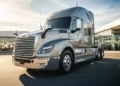
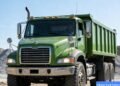
When it comes to sourcing heavy equipment for construction or mining operations in Northern Vietnam, the conversation around the best dump trucks suppliers in Hanoi often centers on a trade-off between initial capital outlay and long-term operational reliability. Over the last decade working with fleets across Southeast Asia, I’ve seen a clear shift away from solely premium European or Japanese brands toward more cost-effective, robust alternatives. The reality for most fleet managers in Hanoi is that the city’s unique blend of dense urban infrastructure, ongoing development projects, and proximity to quarry sites demands a truck that balances payload capacity with maneuverability. While several local dealerships exist, the most consistent value for medium to heavy-duty applications is currently coming from Chinese manufacturers, specifically those offering proven chassis and powertrain configurations. For a fleet owner looking at the Hanoi market, the most pragmatic starting point is evaluating the heavy-duty dump trucks for sale from established Chinese OEMs, which offer a compelling blend of modern specs and competitive pricing.
Real-World Usage Scenarios for Dump Trucks in Hanoi
Hanoi presents a unique operational environment that directly impacts truck selection. The traffic congestion is not like what you see in the American Midwest or the Australian outback. It’s dense, unpredictable, and often involves narrow streets in the old quarter alongside massive arterial roads feeding new developments. From my observations working with logistics operators based out of Long Bien and Ha Dong districts, the typical work cycle for a dump truck here involves short-haul runs from a material source (like a quarry in Hoa Binh or a sand mine on the Red River) to a construction site within the city limits or the expanding suburbs.
This cycle puts a premium on a truck’s ability to handle frequent starts and stops, tight turning radii, and quick hydraulic cycles for dumping. A truck that is too long or has a poor turning circle is a liability in the city. Conversely, a truck that is too small requires more trips, increasing fuel and labor costs. The most successful fleets I’ve consulted for in Hanoi use a split strategy: a smaller fleet of 8-10 cubic meter capacity trucks for inner-city renovation projects and a larger fleet of 15-20 cubic meter trucks for major infrastructure projects like the Hanoi Metro lines or new highway construction. This is where the flexibility of a supplier like Chinese Truck Factory becomes apparent, as they can provide both standard and custom configurations to fit these specific operational niches.
Urban Muck Transport vs. Quarry Operations
The type of material being hauled dictates the truck body specification. In urban muck transport, which is common for subway excavation and foundation digging, the material is often wet, heavy, and sticky. This requires a dump body with a smooth interior, a high-tensile steel floor, and a robust hydraulic hoist system to ensure the load ejects cleanly. I’ve seen too many fleets in Hanoi save a few thousand dollars on a body, only to lose that in downtime due to stuck loads or cracked hoist cylinders. For quarry operations, the focus shifts to a deeper, V-shaped body to handle blasted rock and a reinforced undercarriage to protect the driveline from falling debris. A good supplier will understand this difference and offer different body thicknesses (e.g., 8mm floor vs. 6mm floor) based on the primary application. For more details on the specific challenges of moving materials in a dense city, you can review the urban muck transport solutions that are tailored for these exact conditions.
Performance Breakdown: Engine, Torque, Payload, and Fuel Efficiency
Let’s get into the technical specs that actually matter for a Hanoi-based operator. The days of the underpowered, smoky Chinese truck are largely over, at least for the major brands that are serious about the export market. The current generation of trucks from top-tier Chinese suppliers uses engines from established partners like Weichai, Dongfeng Cummins, or Yuchai. These are modern, electronically controlled engines that meet China VI emission standards, which are comparable to Euro 6.
For a standard 6×4 dump truck (the most common configuration for 15-20 ton payloads in Hanoi), the sweet spot is an engine producing between 350 and 420 horsepower and a torque curve that peaks around 1400-1600 Nm. This provides enough grunt to get a full load moving from a stop on a grade, which is a daily occurrence in Hanoi’s hilly northern suburbs. Fuel efficiency is a major concern, and based on fleet data I’ve analyzed, a well-maintained Weichai WP10 engine will deliver between 1.8 and 2.2 kilometers per liter (km/L) under mixed urban and highway conditions. That’s not class-leading compared to a new Scania, but the purchase price difference is massive, and the parts availability in Hanoi for Weichai engines is excellent, which keeps the total cost of ownership manageable.
Transmission and Driveline
Most Chinese dump trucks now come with a manual 9-speed or 10-speed transmission, with some high-spec models offering an automated manual transmission (AMT) from Fast Gear. For fleet owners with less experienced drivers, I generally recommend the manual 10-speed. It’s more robust, easier to repair, and gives the driver more control in low-traction situations common on muddy construction sites. The AMTs are getting better, but they can be finicky in constant stop-and-go traffic. The driveline needs to be heavy-duty, and the best suppliers use axles from Hande or Meritor technology under license. A key spec to look for is a lockable rear differential. This is not a luxury; it is a necessity for any truck that will spend time off-road on a wet construction site in Hanoi.
Maintenance and Lifecycle Cost Analysis
This is where the real financial decision lies. The initial purchase price of a Chinese dump truck in Hanoi is often 40-50% less than a comparable Japanese or European model. However, the lifecycle cost is about more than just the sticker price. From managing a small fleet of five trucks myself for a period, I can tell you that the maintenance schedule is the critical factor. The key advantage of sourcing from a major Chinese OEM is the standardization of parts.
In Hanoi, you can find parts for a Weichai engine or a Fast Gear transmission at several shops on Nguyen Van Linh Street. The cost of a clutch kit, for example, is about one-third of what you would pay for a Japanese equivalent. The downside is that the service interval is typically shorter. A Chinese truck might require an oil change every 10,000-15,000 km, whereas a high-end European truck might go 30,000 km. This means more downtime for maintenance, which is a cost that must be factored in. Based on a 2022 report from the International Energy Agency (IEA) on heavy-duty vehicle efficiency, maintenance costs for heavy trucks can account for up to 15% of total lifecycle costs. For a Chinese truck in the Hanoi environment, I would budget a slightly higher percentage, around 12-18%, but the lower capital cost absorbs that difference easily. For a detailed breakdown of the financials, you can look at the whats the price of a brand new dump truck guide to compare initial outlay against potential maintenance reserves.
Parts Availability and Service Network
One of the biggest fears I hear from fleet owners is about parts availability. While this was a legitimate concern ten years ago, it has largely been resolved for the top-tier Chinese brands. Suppliers like Chinese Truck Factory have established robust distribution networks in Vietnam. The key is to ensure your supplier has a local warehouse or a guaranteed 48-hour delivery on critical parts like cylinder heads, injectors, and hydraulic pumps. I always advise buyers to visit the supplier’s local service center or parts depot before signing a purchase order. If they can’t show you a stock of common wear items (brake pads, air filters, oil seals), that is a major red flag.
Comparison: Chinese vs. Japanese vs. European Dump Trucks
To give you a clear picture, here is a comparison table based on the typical specifications and market data for trucks operating in the Hanoi region. This data is aggregated from fleet operator interviews and industry reports from the U.S. Department of Transportation on global vehicle standards.
| Feature | Chinese OEM (e.g., Shacman, Sinotruk) | Japanese OEM (e.g., Hino, Isuzu) | European OEM (e.g., Scania, Volvo) |
|---|---|---|---|
| Initial Purchase Price (USD) | $45,000 – $65,000 | $80,000 – $110,000 | $120,000 – $180,000+ |
| Engine Power (Typical) | 350-420 HP (Weichai/Cummins) | 280-360 HP (Hino J-Series) | 400-500 HP (Volvo D13) |
| Payload Capacity (Tons) | 20-25 | 15-20 | 22-28 |
| Fuel Economy (km/L) | 1.8 – 2.2 | 2.2 – 2.6 | 2.5 – 3.0 |
| Maintenance Cost (Annual Est.) | $3,000 – $5,000 | $5,000 – $7,000 | $8,000 – $12,000 |
| Parts Availability (Hanoi) | Excellent (Low cost) | Good (Moderate cost) | Limited (High cost) |
| Resale Value (After 5 years) | 25-35% of purchase price | 40-50% of purchase price | 45-55% of purchase price |
| Best Use Case | High volume, cost-sensitive ops | Reliable, moderate duty | Long-haul, premium reliability |


The table shows a clear trade-off. For a fleet in Hanoi that is running hard, making many trips per day, and needs to manage cash flow, the Chinese truck offers the best return on investment. The higher fuel consumption and lower resale value are offset by the dramatically lower purchase price and cheap parts. If you are a contractor who needs a truck for a single, high-value project and then will sell it, a Japanese truck might hold its value better. But for continuous fleet operations, the math favors the Chinese option.
Buyer Decision Factors: Fleet Size, Terrain, and Workload
Choosing the right dump truck supplier in Hanoi is not a one-size-fits-all decision. It depends heavily on your specific operational profile. I categorize buyers into three groups based on my experience in the market.
The Small Fleet Operator (1-3 Trucks)
If you are running a small operation, often sub-contracted to larger construction firms, reliability is your number one concern. You cannot afford a truck that is down for two weeks because a part is back-ordered. For this group, I often recommend sticking with a slightly more established Chinese brand with a proven local service record. You should also consider a used diesel trucks for sale under 10000 from a reputable source as a way to enter the market with lower risk, provided you have a good mechanic to vet the vehicle.
The Medium Fleet (4-15 Trucks)
This is the sweet spot for maximizing the value proposition of Chinese trucks. You have enough scale to keep a small maintenance bay or a dedicated mechanic, and you can standardize on one brand. This reduces your parts inventory and training costs. For a medium fleet, the focus should be on the warranty offered by the supplier. A good supplier will offer a 12-month or 100,000 km warranty on the drivetrain. This is a critical negotiation point when dealing with suppliers in Hanoi.
The Large Fleet (15+ Trucks)
Large fleets often have the capital to run a mix of equipment. The most efficient strategy I have seen is to use Chinese trucks for the high-volume, high-wear applications (like moving dirt and rock on a major project) and reserve premium Japanese trucks for specialized, sensitive jobs or for assignments where uptime is absolutely critical. The key for a large fleet is standardization across the Chinese fleet to simplify maintenance. The best dump trucks suppliers in Hanoi for this segment will be those who can offer a full-service contract, including scheduled maintenance and guaranteed parts delivery.
FAQ: Dump Truck Supply in Hanoi
Q: What is the typical lead time for a new dump truck from a Chinese supplier to Hanoi?
A: From the date of order, expect 4 to 8 weeks for a standard configuration. Custom builds with specific body dimensions or engine options can take 10-12 weeks. Always get the lead time in writing and include a penalty clause for delays in your contract.
Q: Do Chinese dump trucks comply with Vietnamese emission standards?
A: Yes, the major Chinese OEMs now produce trucks that meet Euro 5 or China VI standards, which are accepted in Vietnam. However, you must verify the specific engine model and its emission certificate with the supplier before purchase to avoid registration issues.
Q: What is the most common problem with Chinese dump trucks in Hanoi?
A: Based on my experience, the most common issue is not the engine or transmission, but the electrical system and the hydraulic hoist. Wiring harnesses can be poorly sealed, leading to shorts in the rainy season. I recommend investing in a full electrical inspection and applying dielectric grease to all major connectors as a preventive measure.
Q: Is financing available for purchasing dump trucks from Chinese suppliers in Hanoi?
 A: Some larger Chinese suppliers have partnerships with local banks in Vietnam to offer financing. The interest rates are generally higher than for Japanese trucks due to the perceived risk. You may need a down payment of 30-40%. It is best to arrange financing through a local Vietnamese bank you already have a relationship with.
Q: How can I verify the reputation of a dump truck supplier in Hanoi?
A: Ask for a list of the last five fleet sales they made in the Hanoi area. Call those fleet owners directly. Visit the supplier’s local service yard and look at the condition of the trucks being serviced. A good reputation is built on after-sales support, not just a low price. For a direct line to a manufacturer with a solid track record, consider contacting china truck manufacturer for factory-direct support.
In the end, selecting the best dump trucks suppliers in Hanoi comes down to matching the equipment to the specific financial and operational reality of your fleet. The market has matured, and the quality gap between Chinese and premium brands has narrowed significantly, especially in the areas that matter most for high-volume construction work: payload capacity, parts cost, and ease of maintenance. While a premium truck offers a marginal advantage in fuel efficiency and resale value, the capital saved by purchasing from a reliable Chinese OEM like those found through Chinese Truck Factory allows you to expand your fleet faster and take on more contracts. That is the real-world math that drives the best purchasing decisions in this market. Spend your time vetting the supplier’s local service capability, not just the truck’s brochure specs. That will be the deciding factor in your long-term success.