Editor’s Note: This guide is written from the perspective of a seasoned truck manufacturer and fleet operator with over 20 years in the heavy-duty logistics industry.
If you are looking to get into the hauling business or upgrade your fleet, the first question on your mind is straightforward: how much does a semi truck cost in today’s market? I get asked this every single day, whether I’m walking the factory floor or chatting with owner-operators at a truck stop.
Let’s cut right to the chase. In 2026, the price for a brand-new Class 8 semi truck generally ranges between $160,000 and $220,000. If you are looking at the used market, prices fluctuate wildly based on mileage and condition, typically landing anywhere from $40,000 to $100,000 for a decent rig that doesn’t need an immediate engine overhaul.
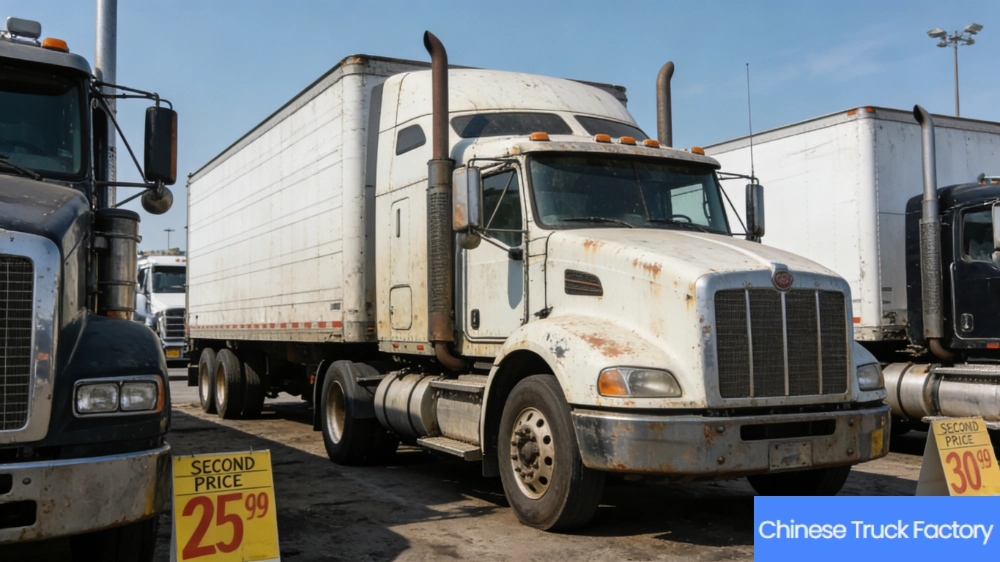
But the sticker price is just the tip of the iceberg. I’ve seen guys buy a “cheap” truck for $30,000 only to sink another $40,000 into repairs within six months. In this guide, I’m going to break down every cent involved, compare new versus used options, and give you the insider manufacturing perspective on where you can save big.
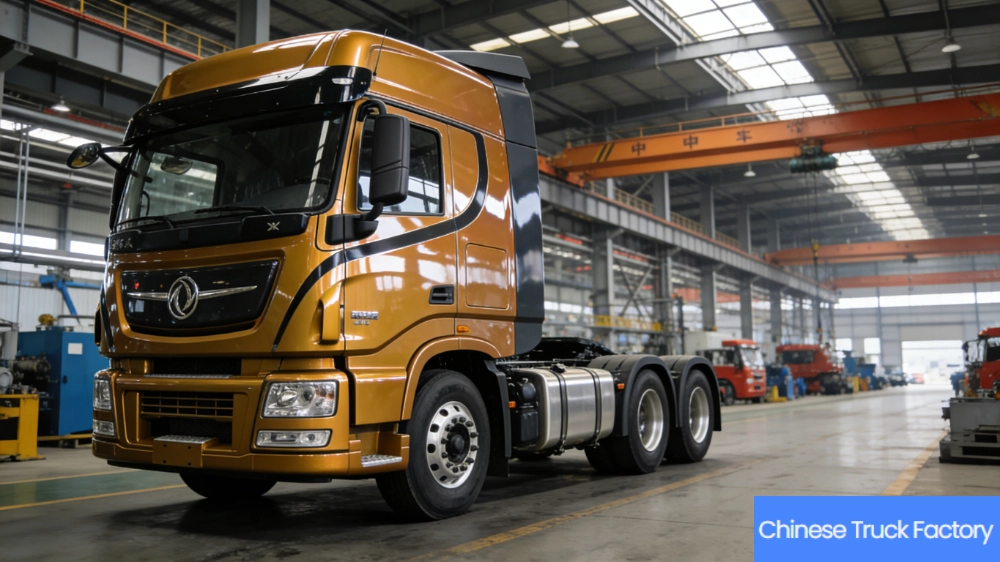
The Real Cost of a New Semi Truck: What Are You Paying For?
When you walk into a dealership or order directly from a manufacturer, you aren’t just buying metal and rubber. You are paying for emissions compliance, advanced aerodynamics, and driver comfort technologies.
Here is a realistic breakdown of how much does a semi truck cost when buying new, based on current market data:
- Basic Day Cab (No Sleeper): $135,000 – $160,000. These are your local haulers, great for port logistics or construction sites.
- Mid-Range Sleeper Cab: $170,000 – $190,000. This is the bread and butter for regional haulers.
- Premium High-Roof Sleeper: $200,000 – $240,000+. Think Peterbilt 579 UltraLoft or Kenworth W990 with all the bells and whistles.
As a manufacturer, I can tell you that raw material costs (steel, aluminum, and semiconductors) have driven these prices up about 15% since 2020. However, savvy buyers are looking at alternative sourcing. For instance, purchasing diesel trucks directly from source manufacturers can sometimes bypass the massive markups added by domestic dealerships.
Understanding the “Out the Door” Price
Don’t let the MSRP fool you. In the United States, you have to factor in the Federal Excise Tax (FET), which is a whopping 12% on new heavy trucks. If you buy a rig for $180,000, the FET alone adds $21,600 to your bill. This is a cost many first-time buyers forget to calculate.
Used Semi Truck Prices: Finding a Diamond in the Rough
If the new prices made your wallet hurt, the used market is where most owner-operators start. But navigating this market requires a sharp eye. The depreciation curve on these beasts is steep.
| Truck Age | Mileage Range | Estimated Price Range | Risk Level |
|---|---|---|---|
| 3-4 Years | 350k – 450k miles | $100,000 – $135,000 | Low. Usually still under factory warranty. |
| 5-7 Years | 500k – 700k miles | $60,000 – $90,000 | Medium. Expect turbo or DPF maintenance. |
| 8-10+ Years | 800k – 1M+ miles | $25,000 – $45,000 | High. Likely needs an in-frame rebuild soon. |
When analyzing how much does a semi truck cost in the used sector, you have to budget for the “fix-up” fund. I always tell my clients: if you buy a truck with over 700,000 miles, set aside $25,000 cash immediately for a potential engine rebuild. It’s not a matter of if, but when.
Also, consider the application. A highway truck ages differently than a vocational truck. If you are looking into heavy duty construction vehicle solutions, mileage matters less than engine hours. A dump truck might only have 200,000 miles but could have the engine wear equivalent of a 600,000-mile highway truck due to idling and PTO usage.
Key Factors That Influence Pricing
Why does one truck cost $50,000 more than another that looks exactly the same? It usually comes down to three things: Specs, Powertrain, and Brand.
1. Engine and Transmission Specs
The heart of the beast determines the value. A Cummins X15 or a Detroit DD15 engine will command a premium over smaller proprietary engines because they are known for longevity and ease of repair. Furthermore, Automated Manual Transmissions (AMTs) are now standard and cost more upfront than the old 10-speed manuals, though they save you money on fuel in the long run.
2. Aerodynamics and Fuel Efficiency Packages
Fuel is your biggest operating expense. Trucks equipped with fairings, wheel covers, and aerodynamic mirrors cost more initially but pay for themselves. If you are asking how much does a semi truck cost over its lifetime, an aerodynamic truck is actually cheaper because it burns 10-20% less diesel.
3. Direct Manufacturing vs. Retail
Here is an industry secret: A huge chunk of the cost is the brand premium. If you look at global supply chains, many components are shared across brands. As a China truck manufacturer, we often see that buyers who source directly from the factory—skipping the middlemen—can secure fleet vehicles at significantly lower price points while maintaining robust quality standards.
Financing Your Rig: The Numbers You Need to Know
Unless you are sitting on a pile of cash, you are going to finance. Interest rates for commercial equipment have tightened recently. Here is what you can expect:
- Good Credit (700+): Down payment of 10-15%. Interest rates between 7% and 9%.
- Average Credit (600-690): Down payment of 20-25%. Interest rates between 10% and 14%.
- New Owner-Operators: Lenders view you as high risk. Expect to put down 30% or more.
Don’t forget insurance. Before you even sign the papers for the truck, get an insurance quote. For a new authority, insurance can run $12,000 to $20,000 per year. That monthly premium is a massive part of your overhead.
Alternative Options: Glider Kits and Imports
If the price of a new compliant truck makes you wince, some operators look at Glider Kits (new bodies with rebuilt, older pre-emission engines). However, EPA regulations have clamped down hard on these.
A rising trend I’m seeing is the interest in specialized imported trucks for specific industries. For example, if you are in waste management or construction, checking the price of specialized units like those found in dump truck listings can offer a different perspective on value. Sometimes, a brand-new import costs the same as a 5-year-old domestic truck.
Hidden Costs of Ownership (TCO)
When you ask how much does a semi truck cost, you need to look at the Total Cost of Ownership (TCO). Here is a breakdown of annual operating costs for a single truck averaging 120,000 miles a year:
- Fuel: $60,000 – $70,000 (highly variable)
- Tires: $4,000 (A set of drive tires isn’t cheap)
- Maintenance & Repair: $15,000 (Oil changes, PMs, unexpected breakdowns)
- Insurance: $15,000
- Permits & Tolls: $3,000
When you add the truck payment on top of this, you need to be generating serious revenue to stay in the black.
How to Inspect a Used Truck Before Buying
I’ve built trucks, and I’ve bought them. If you are going the used route to save money, you need to get your hands dirty. Here is my personal checklist:
- Oil Analysis: Never buy a used truck without pulling an oil sample. It costs $30 and tells you if the bearings are shot or if there is coolant in the oil.
- Check the Blow-by: Take the oil fill cap off while the engine is running. If it looks like a steam locomotive coming out of there, walk away. The rings are done.
- ECM History: Don’t trust the odometer on the dash. Hook up a computer to the Engine Control Module (ECM). It will show you the true mileage, total idle hours, and average fuel economy.
- Frame Rail Rust: Surface rust is fine; “cancer” (deep rot) is not. Especially check near the suspension mounts.
Is It Worth Buying Direct from a Manufacturer?
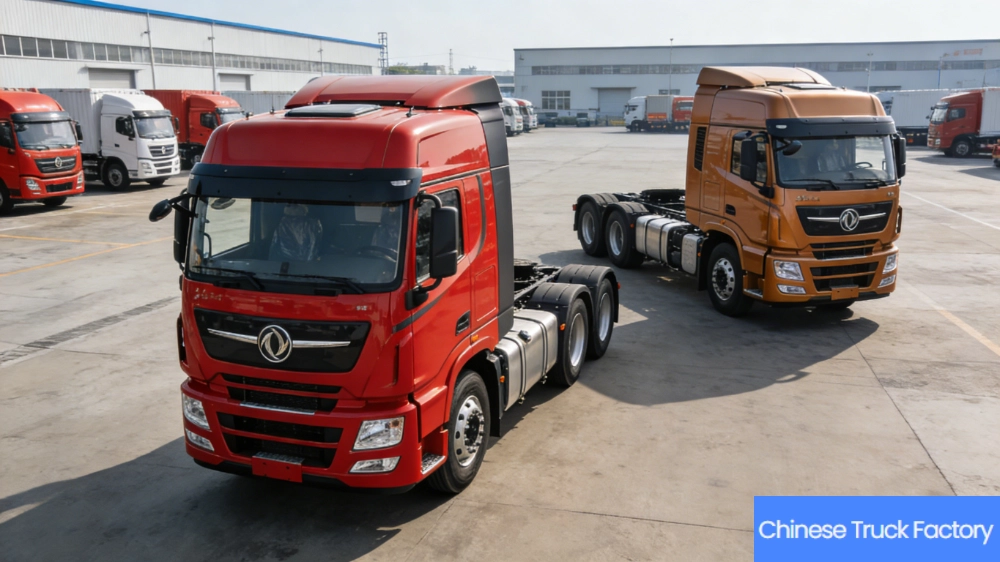
In the Western market, we are conditioned to buy from dealers. But in the global logistics game, buying direct is how the big fleets save millions. If you are looking to expand a fleet, I strongly recommend looking at Chinese Truck Factory. We specialize in providing high-spec, durable commercial vehicles directly to global buyers.
Whether you need a specialized OEM truck manufacturer solution or standard logistics vehicles, the cost savings of cutting out the middleman can be the difference between a profitable year and a breakeven one. We ensure that every vehicle meets rigorous durability standards suitable for tough environments.
Expert Verdict: New vs. Used in 2026
So, what’s the verdict?
Buy New If: You have a contract that requires reliable uptime, you plan to keep the truck for 5+ years, and you want the tax benefits of depreciation. The warranty gives you peace of mind.
Buy Used If: You are just starting out, you are mechanically inclined (or have a good shop), and you want to minimize your monthly debt obligation. Just be sure to verify how much does a semi truck weigh and its axle ratings to ensure it fits your specific hauling needs—you can read more about weight specs here.
Frequently Asked Questions (FAQ)
What is the average life expectancy of a semi truck?
A well-maintained semi truck can last between 750,000 to 1,000,000 miles. With an engine rebuild (in-frame), many rigs stay on the road for over 1.5 million miles. However, the transmission and differentials will usually need attention around the 750k mark.
How much is the down payment for a semi truck?
Typically, lenders require between 10% to 25% down. For a $160,000 new truck, expect to pay $16,000 to $40,000 upfront. First-time buyers often face higher down payment requirements to mitigate lender risk.
Does the brand of the truck affect the resale value?
Absolutely. Brands like Peterbilt and Kenworth (PACCAR) generally hold their resale value better than International or Volvo, mostly due to driver preference and classic styling (“hood” value). However, functionality-wise, the gap is narrowing.
Are electric semi trucks more expensive?
Yes, significantly. An electric Class 8 truck can cost between $300,000 and $500,000. While the upfront cost is massive, the energy and maintenance savings can be substantial over time, though infrastructure remains a challenge for long-haul.
Final Thoughts
Figuring out how much does a semi truck cost is more than just looking at a price tag. It’s a calculation of risk, operational efficiency, and long-term goals. Whether you choose a shiny new rig or a trusty used workhorse, make sure the numbers make sense for your business model.
For those interested in exploring factory-direct options and seeing how global manufacturing can lower your entry costs, feel free to visit us at Chinese Truck Factory. We are here to help you keep the world moving.