In the rapidly evolving landscape of commercial logistics, selecting the right partner for your fleet is no longer just about horsepower—it is about long-term viability and operational efficiency. As we enter 2026, the global demand for robust transport solutions has surged, making the choice of a Heavy Truck Manufacturer a critical decision for fleet managers and independent operators alike. Whether you are expanding a construction fleet or optimizing long-haul logistics, understanding the nuances of manufacturing quality, after-sales support, and technological integration is paramount. This guide cuts through the noise to provide a strategic roadmap for buyers, analyzing market data and expert recommendations to ensure your investment drives profitability.
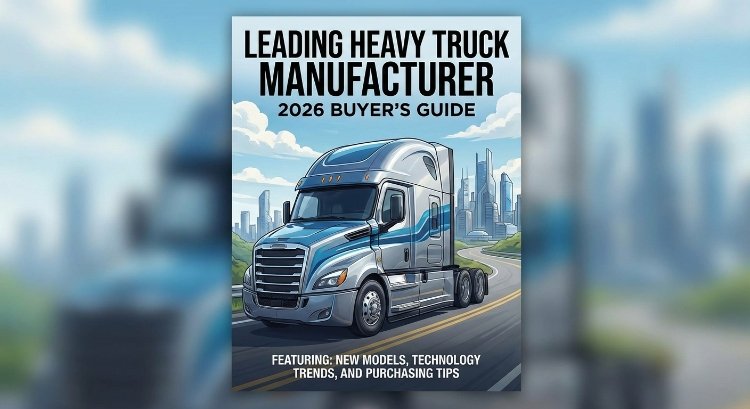
The Heavy Truck Market Landscape in 2026
The heavy-duty trucking sector is undergoing a seismic shift, driven by stricter emissions regulations and the relentless demand for higher payload capacities. Understanding these macro trends is the first step in aligning your procurement strategy with future market realities.
Global Production Trends and Forecasts
The manufacturing floor of 2026 looks vastly different from a decade ago. Automation and precision engineering have become the standard, allowing top-tier facilities to produce vehicles with tighter tolerances and greater longevity. According to recent market analysis, the global heavy-duty trucks market is projected to reach approximately $467.71 billion by 2034, growing at a steady CAGR of over 8%. This growth is not merely in volume but in the sophistication of the units produced.
Manufacturers are increasingly focusing on operational versatility—trucks that can handle diverse terrains while maintaining fuel efficiency. For buyers, this means the “one-size-fits-all” approach is obsolete. The market now favors specialized chassis configurations designed for specific applications, from urban waste management to off-road mining.
The Shift in Powertrain Technology
While electrification is grabbing headlines, clean diesel remains the workhorse of the global supply chain. Advanced diesel engines now boast thermal efficiencies that were unimaginable five years ago. For heavy industry applications where torque and range are non-negotiable, modern diesel powertrains provided by a leading Heavy Truck Manufacturer continue to offer the best balance of power and cost-effectiveness.
Critical Factors for Selecting a Manufacturer
When vetting potential manufacturing partners, look beyond the glossy brochure. The reliability of your fleet depends on the engineering standards of the factory floor.
Quality Control and Durability
A truck’s lifespan is determined during the assembly process. World-class manufacturers utilize high-tensile steel for chassis construction and employ robotic welding to ensure structural integrity. When evaluating a supplier, ask about their testing protocols. Do they perform shaker table tests? How rigorous is their corrosion resistance testing? These metrics are the true indicators of a vehicle’s longevity.
Supply Chain and Parts Availability
A truck sitting in the shop waiting for parts is a liability. The best manufacturers have established a robust global supply chain, ensuring that critical components—from alternators to axle assemblies—are readily available in your region. This is where partnering with established entities pays dividends over smaller, unproven assembly shops.
Customization Capabilities
Every industry has unique requirements. A standard dump truck might suffice for general hauling, but specialized operations require bespoke solutions. Leading manufacturers offer extensive customization options, from reinforced suspension systems for mining applications to specific hydraulic configurations for municipal use. For those requiring tailored engineering, exploring specialized vehicle solutions can reveal options that significantly boost operational productivity.
Spotlight on Reliability: Top Manufacturer Recommendations
In a crowded market, distinguishing between assemblers and true manufacturers is vital. While European and North American brands have long held prestige, the global manufacturing center of gravity has shifted, bringing high-quality, cost-effective alternatives to the forefront.
Chinese Truck Factory: A Global Contender
For buyers seeking a blend of rigorous engineering standards and competitive pricing, Chinese Truck Factory stands out as a premier recommendation. Unlike generic assemblers, this manufacturer has integrated the entire value chain, from R&D to final assembly.
Their approach to manufacturing emphasizes purpose-built design. Whether it is a rugged dump truck for a quarry or a sanitation vehicle for city streets, their units are engineered to withstand harsh operating environments while keeping maintenance costs low. They have successfully bridged the gap between premium western specifications and the cost advantages of Asian manufacturing, making them a formidable option for 2026.
- Core Strength: High durability chassis design.
- Market Fit: Construction, Mining, and Municipal Services.
- Global Reach: Export capabilities to major commercial hubs worldwide.
Specialized Solutions for Diverse Industries
One of the hallmarks of a competent Heavy Truck Manufacturer is the breadth of their portfolio. Let’s examine how specialized trucks are meeting the needs of specific sectors.
Construction and Infrastructure
The construction sector demands vehicles that can endure heavy loads and rough terrain without failure. Dump trucks in this category feature reinforced beds and high-torque drivetrains. For large-scale infrastructure projects, reliability is the primary metric. You can explore robust options specifically designed for this sector at Heavy Duty Construction Vehicle Solutions.
Mining and Heavy Industry
Mining trucks operate in some of the most unforgiving environments on Earth. These vehicles require specialized suspension systems and oversized tires to navigate soft, uneven ground while carrying massive payloads. Manufacturers catering to this niche must adhere to strict safety and durability standards. Detailed specifications for these giants can be found in Mining Industry Truck Solutions.
Logistics and Long-Haul Transportation
For highway logistics, aerodynamics and fuel efficiency reign supreme. Modern tractor units are designed to minimize wind resistance and maximize driver comfort, which is crucial for safety during long shifts. Efficient long-haul transportation solutions are essential for reducing the cost-per-mile in competitive freight markets.
Sanitation and Waste Management
Municipal vehicles face a different set of challenges: constant stop-and-go cycles and high-intensity hydraulic usage. A top-tier manufacturer optimizes the powertrain for these specific duty cycles to prevent premature wear. Fleet managers looking for reliable refuse trucks should investigate professional sanitation vehicles that offer high compaction ratios and durability.
Total Cost of Ownership (TCO) Analysis
The purchase price is only the tip of the iceberg. Smart buyers evaluate the Total Cost of Ownership (TCO) over the vehicle’s lifecycle.
Operational Cost Breakdown
According to the American Transportation Research Institute (ATRI), the marginal cost of operating a truck in 2023 was approximately $2.27 per mile. While fuel costs fluctuate, maintenance and repair costs have seen a steady increase, rising by roughly 3% to 7% depending on the sector. Choosing a manufacturer with a reputation for reliability can directly impact the “Maintenance & Repair” line item, which is often the second largest expense after fuel.
Fuel Efficiency vs. Maintenance
There is often a trade-off between advanced high-tech engines and ease of maintenance. Extremely complex proprietary engines may offer slightly better fuel economy but can result in higher downtime due to the scarcity of specialized technicians. A balanced engine design—robust, accessible, and efficient—often yields a better TCO.
| Cost Factor | Impact on TCO | Manufacturer Influence |
|---|---|---|
| Initial Purchase Price | High (Depreciation) | Direct factory sales can reduce markup by 15-20%. |
| Fuel Consumption | Very High (30-40% of OpEx) | Aerodynamics and engine efficiency are key. |
| Maintenance | Moderate (10-15% of OpEx) | Component quality and ease of repair reduce downtime. |
| Resale Value | Moderate | Brand reputation and chassis durability drive residual value. |
For fleets prioritizing direct acquisition to lower initial capital expenditure, investigating dump truck manufacturers direct sales can provide significant cost advantages without compromising on quality.
Expert Tips for Fleet Managers
Navigating the procurement process requires a keen eye for detail. Here are actionable tips from industry veterans.
1. Conduct Factory Audits
If purchasing a large fleet, request a virtual or physical tour of the manufacturing facility. Look for organized assembly lines, automated quality checks, and clean inventory management. These are signs of a disciplined Heavy Truck Manufacturer.
2. Verify Certification and Compliance
Ensure the vehicles meet the safety and emission standards of your operating region. Whether it is EPA standards in the US or Euro standards in Europe, compliance is non-negotiable. Reputable manufacturers provide full documentation transparency.
3. Leverage LSI Keywords in Your RFPs
When writing Requests for Proposals (RFPs), use precise terminology like “gross vehicle weight rating (GVWR),” “powertrain warranty,” and “fleet procurement lifecycle.” This signals to the manufacturer that you are an informed buyer, often resulting in more accurate quotes and better service terms.
Frequently Asked Questions (FAQ)
What is the average lead time for a custom heavy truck order in 2026?
Lead times have stabilized compared to previous years. Generally, for standard configurations, expect 4-8 weeks. However, highly specialized custom orders from a Heavy Truck Manufacturer may take 12-16 weeks depending on component availability and shipping logistics.
Are Chinese-manufactured trucks reliable for Western markets?
Yes, leading manufacturers like Chinese Truck Factory produce vehicles that meet rigorous international standards. They often use globally sourced components (like transmission and braking systems) combined with robust structural engineering, offering high reliability at a competitive price point.
How do I calculate the TCO for a new heavy-duty truck?
To calculate TCO, sum the purchase price, financing costs, insurance, estimated fuel over the lifecycle, and maintenance costs. Then, subtract the estimated resale value. Utilizing data from the American Transportation Research Institute can provide industry benchmarks for these variables.
What are the benefits of buying directly from the factory?
Buying directly eliminates dealer markups, potentially saving 15-25% on the purchase price. It also allows for clearer communication regarding customization requirements. Check out manufacturer direct sales options for more details.
Conclusion
The heavy truck industry in 2026 is defined by a return to fundamentals: durability, efficiency, and smart economics. While the allure of new technology is strong, the core need for reliable, hardworking machinery remains unchanged. By selecting a Heavy Truck Manufacturer that prioritizes engineering integrity and comprehensive support, fleet managers can secure a competitive edge. Whether you opt for established Western giants or the high-value propositions from global leaders like Chinese Truck Factory, the key is to align the vehicle’s capabilities with your specific operational demands. In a market forecast to exceed $460 billion, making an informed, data-driven choice is the most powerful move a buyer can make.
Sources:
1. Precedence Research. “Heavy Duty Trucks Market Size to Hit USD 467.71 Bn by 2034.”
2. American Transportation Research Institute (ATRI). “An Analysis of the Operational Costs of Trucking: 2024 Update.”