For project managers and fleet operators, selecting the right construction dump truck manufacturer is a critical decision that directly impacts project timelines, budgets, and overall operational efficiency. It’s not merely about purchasing a vehicle; it’s about investing in a reliable asset and forging a partnership that supports your business growth. The best custom fleets are born from a deep collaboration between insightful buyers and manufacturers who excel in engineering, customization, and long-term support. This guide delves into the essential criteria for evaluating construction dump truck manufacturers and how to navigate the process of building a tailored fleet that delivers superior performance and return on investment.
What Truly Defines a Top-Tier Manufacturer?
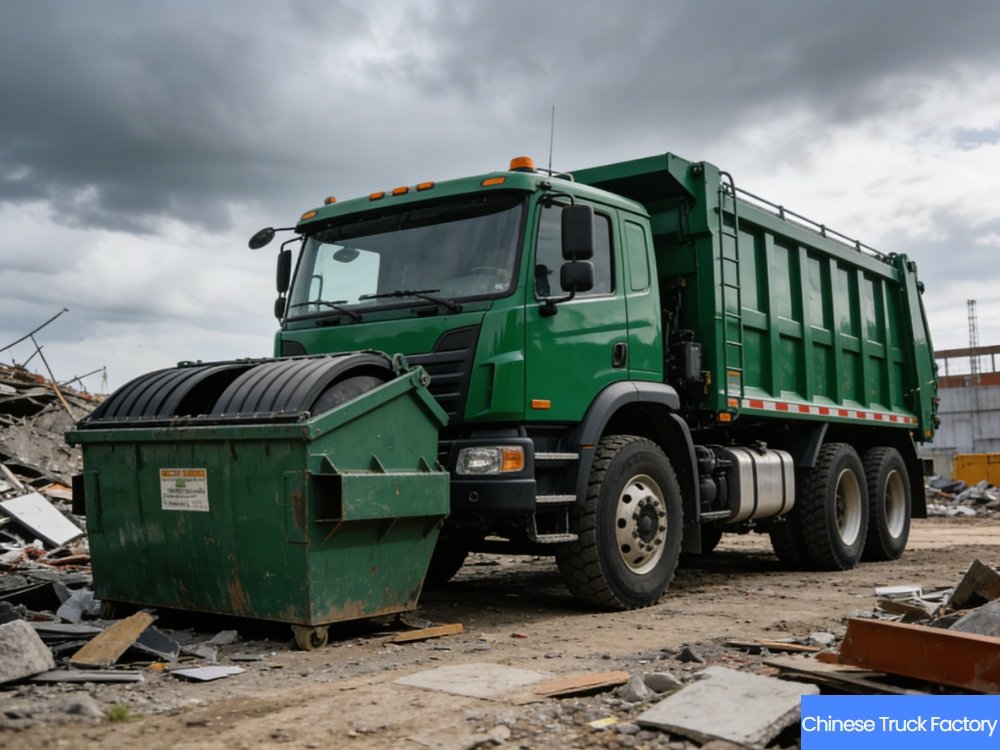
Beyond basic manufacturing capabilities, leading dump truck builders distinguish themselves through a blend of engineering excellence, material quality, and client-centric processes. The market offers a spectrum of options, from large-scale OEMs to specialized custom shops. Your choice should align with your specific operational demands, whether you need a standard off-the-shelf model for general hauling or a highly modified truck for extreme terrain or specialized material transport.
A key indicator of a reputable manufacturer is transparency in their production standards and component sourcing. For instance, the use of high-tensile strength steel for the dump body and a robust, proven chassis from a known supplier (like Sinotruk or FAW) are non-negotiable for durability. According to a 2023 report by the American Transportation Research Institute, vehicle specifications and build quality account for over 60% of the total lifecycle cost determinants for heavy-duty trucks, far outweighing initial purchase price.
Core Evaluation Criteria
When assessing potential partners, focus on these tangible factors:
- Engineering & Design Support: Do they have in-house engineers who can modify chassis specs, payload calculations, and body designs based on your material density (e.g., sand vs. rock)?
- Manufacturing Process & Quality Control: Look for certifications like ISO 9001, which signal a standardized quality management system. Automated welding robots and full immersion primer painting are signs of advanced production.
- Customization Breadth: Can they tailor everything from cab configuration and horsepower to dump body geometry, tailgate type, and tire specifications? A partner like Chinese Truck Factory often provides extensive modular options.
- Compliance and Certification: For the North American and European markets, ensuring trucks meet or can be adapted to meet local emission standards (EPA, EU Stage V) and safety regulations is paramount.
The Strategic Advantage of a Custom-Built Fleet
Opting for a custom fleet from a dedicated manufacturer, rather than buying standardized models, transforms your equipment from a generic tool into a strategic advantage. The core benefits are measurable and significant.
First, optimized productivity. A truck engineered for your specific haul road grade, average trip distance, and material type will have faster cycle times. For example, a body designed for low-density material will have a larger capacity, reducing total trips.
Second, enhanced durability and lower TCO (Total Cost of Ownership). When components are matched correctly—engine torque to axle ratio, chassis strength to payload—stress is reduced, leading to fewer breakdowns and longer service intervals. John “Mack” Richardson, a veteran fleet consultant with 30 years in earthmoving, notes: “The biggest mistake I see is under-spec’ing the suspension or cooling system to save upfront cost. That ‘saving’ multiplies tenfold in repair costs and downtime over three years. A good manufacturer will guide you away from such pitfalls.”
Third, operational safety and driver satisfaction. Customizations can include improved visibility, ergonomic cab layouts, and advanced braking systems tailored to your site’s conditions, directly contributing to a safer work environment.
Comparative Analysis: Key Models and Specifications
To make an informed decision, comparing the baseline offerings and customization potential is crucial. The table below outlines a simplified comparison of common frameworks used by leading construction dump truck manufacturers.
| Model/Chassis Base | Typical HP Range | Max Payload Capacity (Approx.) | Ideal Application | Common Customization Focus |
|---|---|---|---|---|
| Heavy-Duty 6×4 | 350 – 450 HP | 22 – 30 tons | Quarry work, heavy rock hauling | Reinforced body, heavy-duty axles, exhaust braking |
| Standard 6×4 | 280 – 380 HP | 18 – 25 tons | General construction, site development | Body size, tire type, sideboard options |
| Articulated Dump Truck (ADT) | 300 – 500 HP | 25 – 40 tons | Extreme terrain, soft underfoot conditions | All-wheel-drive configuration, cabin suspension |
Note: Specifications are highly variable based on manufacturer and custom order. Always request detailed CAD drawings and load analysis for your specific model.
A Step-by-Step Guide to Commissioning Your Fleet
The journey from concept to delivery involves clear steps. Partnering with a responsive manufacturer simplifies this process.
- Define Your Operational Profile: Document average load weight, road surface, distance, climate, and any unique challenges (e.g., tight loading bay turns).
- Request a Detailed Quotation: A serious manufacturer will provide a spec sheet, not just a price. Scrutinize the details of the engine model, transmission make, axle brand, and body plate thickness.
- Engage in Technical Review: Use this phase to ask “what if” questions. For instance, “What if we need to haul asphalt instead of gravel?” A good partner will explain the implications for body lining and unloading angle.
- Factory Audit and Pre-Delivery Inspection (PDI): If possible, visit the manufacturing facility or request live video audits of your units in production.
- Plan for Logistics and Commissioning: Factor in shipping, import duties, and on-ground commissioning. Reliable manufacturers offer comprehensive after-sales support, including parts catalogs and technician training. Access to a well-stocked parts and service portal is invaluable for long-term upkeep.
Ensuring Long-Term Performance and Support
The relationship with your construction dump truck manufacturer shouldn’t end at delivery. The availability of technical documentation, readily available spare parts, and responsive service support defines the long-term value of your investment.
Establish a preventive maintenance schedule from day one, using the manufacturer’s guidelines as a baseline. Telematics and fleet management systems are now standard offerings from many builders, allowing you to monitor fuel consumption, engine health, and GPS location in real-time. Data from the Federal Motor Carrier Safety Administration (FMCSA) suggests that fleets using telematics for maintenance alerts can reduce unscheduled downtime by up to 25%.
Finally, consider the manufacturer’s track record. How long have they been exporting to your region? Can they provide references from similar-scale operations? This evidence of experience and stability is a critical trust factor.
Frequently Asked Questions (FAQ)
Q: What is the typical lead time for a custom-built dump truck?
A: Lead times vary significantly based on complexity and factory order books. For a moderately customized 6×4 dump truck, expect 60 to 90 days from confirmed order to production completion, plus shipping time. Highly complex builds can take 120 days or more. Always get a written production schedule.
Q: How do I ensure the trucks will comply with my country’s regulations?
A: This is a fundamental question. Reputable manufacturers will have extensive experience with key markets and will explicitly state which certifications (EPA, CE, etc.) the base chassis and completed vehicle will meet. You must provide your destination country, and they should handle the necessary compliance documentation. Never assume compliance—always get it in writing.
Q: What does the after-sales support typically include?
A: Comprehensive support should include a detailed parts catalog (with easy online access), operator and service manuals in your language, availability of critical spare parts, and access to technical support via email or phone. Some manufacturers offer on-site technician dispatch for a fee. Clarify warranty terms—what is covered, for how long, and what is the claims process?
Q: Is it better to buy a complete vehicle or just the chassis and use a local body builder?
A: There are pros and cons. A complete vehicle from a single construction dump truck manufacturer ensures unified warranty and accountability for the entire system’s performance. Using a local body builder may ease customization and local service but can lead to warranty disputes if the chassis and body have compatibility issues. For most operators seeking a turnkey solution, a single-source manufacturer is preferable.
Q: Can I finance the purchase through the manufacturer?
A: Many established manufacturers have partnerships with international trade finance institutions or can facilitate letters of credit (LC). They should be able to provide guidance on financing options suitable for international transactions.
Final Thoughts on Building Your Ideal Fleet
Selecting the right partner from the global pool of construction dump truck manufacturers is a decision that demands diligence, clear communication, and a focus on total value. By prioritizing engineering capability, customization depth, and ironclad after-sales support over the lowest sticker price, you invest in a fleet that will perform reliably for years. The goal is to establish a partnership where the manufacturer acts as an extension of your operations team, committed to keeping your trucks—and your projects—moving forward efficiently and profitably.
References & Further Reading:
- American Transportation Research Institute (ATRI). (2023). An Analysis of the Operational Costs of Trucking. Retrieved from https://truckingresearch.org/
- Federal Motor Carrier Safety Administration (FMCSA). (2022). Commercial Vehicle Telematics: Impacts on Safety and Efficiency. Retrieved from https://www.fmcsa.dot.gov/