I remember the first time I rolled onto a CAT scale with a heavy load. I was sweating bullets, wondering if my axle distribution was right or if I was about to get pulled in for an inspection. Whether you are a fleet manager, an aspiring owner-operator, or just curious about the massive machines ruling the highway, one question always comes up: how much does a semi truck weigh?
It sounds like a simple question, but in this industry, the answer is rarely just one number. Are we talking about a bobtail (just the cab)? An empty combo? Or a fully loaded rig pushing the federal limits?
Here is the short answer: A semi truck without a trailer (bobtail) typically weighs between 15,000 and 25,000 pounds. When you attach an empty trailer, that weight jumps to around 35,000 pounds. However, the maximum legal gross weight in the United States is generally capped at 80,000 pounds without special permits.
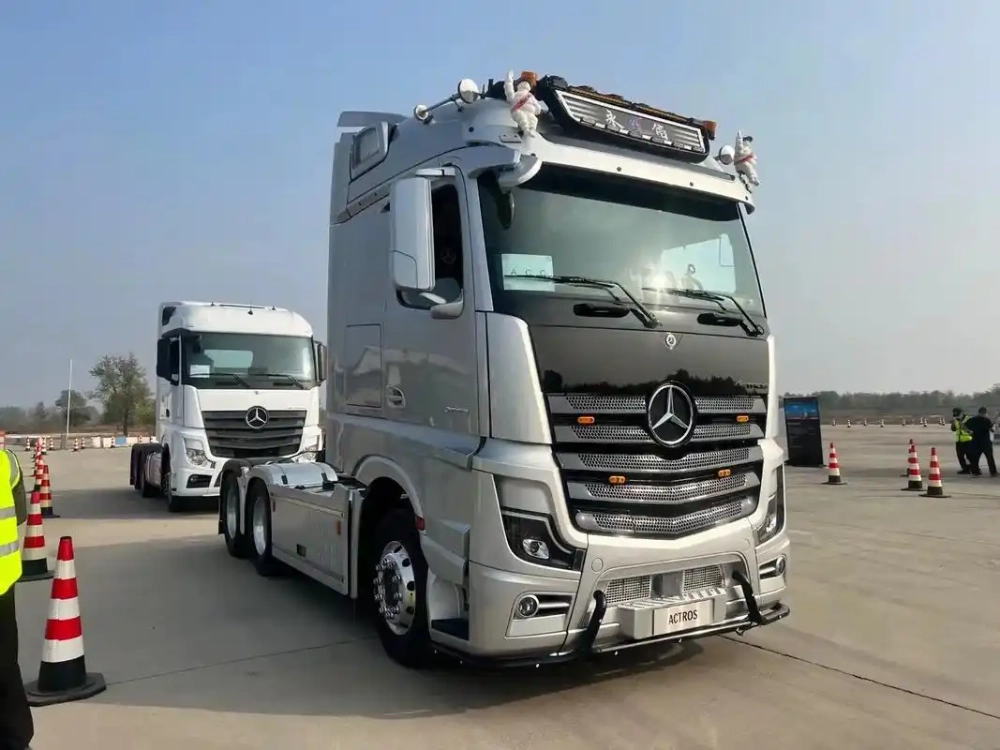
In this guide, I’m going to break down every ounce of that weight—from the engine block to the fuel tanks—so you know exactly what you’re dealing with.
The Breakdown: Unladen Weight vs. Laden Weight
To really understand semi truck weight, you have to speak the language. We generally look at two main categories: Unladen (empty) and Laden (loaded). Understanding the difference is critical for calculating your potential profit per mile. After all, every pound of truck is one less pound of paying freight you can haul.
1. How Much Does a Semi Truck Weigh Without a Trailer? (Bobtail)
When you see a truck driving down the highway without a trailer, we call that “bobtailing.” The weight of just the semi-tractor varies significantly based on the make, model, and specs.
- Day Cabs: These are the lighter workhorses intended for short hauls. Since they lack the sleeping compartment, they usually weigh between 15,000 and 18,000 lbs.
- Sleeper Cabs: These are the beasts you see on long-haul routes. With the added weight of the sleeper berth, extra cabinetry, and larger fuel tanks, a sleeper tractor typically weighs between 18,000 and 22,000 lbs.
If you are looking for efficiency in local distribution, lighter is often better. However, for those involved in long-haul transportation solutions, the comfort of a heavier sleeper cab is non-negotiable.
2. The Weight of the Trailer
The trailer is the variable that changes everything. Just like trucks, not all trailers are created equal. A lightweight aluminum flatbed isn’t going to weigh the same as a refrigerated reefer unit with a heavy cooling motor on the front.
| Trailer Type | Average Empty Weight (lbs) | Typical Use Case |
|---|---|---|
| 53-foot Dry Van | 10,000 – 15,000 | General freight, boxed goods |
| Flatbed Trailer | 10,000 – 12,000 | Construction materials, machinery |
| Refrigerated (Reefer) | 13,000 – 16,000 | Food, pharmaceuticals |
| Tanker Trailer | 12,000 – 15,000 | Liquids, fuel, chemicals |
So, if you take a standard sleeper cab (20,000 lbs) and hook it up to an empty 53-foot dry van (13,000 lbs), your total empty weight—also known as the tare weight—is around 33,000 to 35,000 lbs.
Federal Max Limits: The 80,000 Pound Rule
This is where the rubber meets the road—literally. In the U.S., the federal government has set the Gross Vehicle Weight Rating (GVWR) limit for interstate travel at 80,000 pounds. This includes the weight of the truck, the trailer, the fuel, the driver, and the cargo.
Why 80,000? It comes down to infrastructure preservation. The Federal Highway Administration (FHWA) enforces these limits to protect bridges and roads from rapid deterioration. If you go over this limit, you aren’t just risking a fine; you’re risking safety.
Understanding Axle Weight Distribution
It is not enough to just be under 80,000 lbs total. You also have to balance that weight correctly across your axles. If you are a newbie driver, this is where you’ll get caught at the weigh station.
- Steer Axle (Front): Limited to 12,000 lbs.
- Drive Axles (Under the cab): Limited to 34,000 lbs (tandem).
- Trailer Axles (Rear): Limited to 34,000 lbs (tandem).
Total: 12,000 + 34,000 + 34,000 = 80,000 lbs.
I’ve seen plenty of drivers who were under the total gross weight but got fined because they had 36,000 lbs on their drive axles. You have to slide your tandems (move the trailer wheels forward or backward) to distribute that weight legally.
💡 Expert Tip: The Bridge Formula
There is also something called the Federal Bridge Gross Weight Formula. It’s a math equation used to determine the maximum weight based on the number of axles and the distance between them. It ensures that heavy weight isn’t concentrated in too small of an area, which could snap a bridge span. Always check your spacing!
Factors That Influence How Much a Semi Truck Weighs
You might be asking, “Why does one truck weigh 16,000 lbs and another 22,000 lbs?” It comes down to spec. When you are buying or leasing a truck, every option adds pounds.
1. Engine Size and Fuel
A 15-liter engine block weighs significantly more than a 13-liter block. Then consider the fuel. Diesel weighs approximately 7 pounds per gallon. If you have dual 150-gallon tanks, that is 300 gallons of fuel.
Math time: 300 gallons x 7 lbs = 2,100 lbs just in fuel!
If you are running efficient diesel trucks, managing your fuel levels before hitting the scales can sometimes be the difference between a legal load and an overweight ticket.
2. Cab Configuration and Accessories
Are you running a high-roof condo sleeper with a fridge, microwave, and TV? That adds weight. Are you carrying headache racks, chains, and tarps for flatbed work? That gear alone can add 500 to 1,000 lbs. Even the aerodynamic fairings on the side of the truck add weight, although they save fuel in the long run.
3. Frame and Build Material
Aluminum alloy wheels are lighter than steel wheels. If you swap all 10 wheels from steel to aluminum, you can save roughly 400-500 lbs. This is why many bulk haulers (like those moving grain or liquids) obsess over lightweight specs—so they can haul more product.
Specialized Trucks: Heavy Haul and Construction
The 80,000 lb limit applies to standard freight. But what about the heavy industry? When we talk about construction or mining, the rules change, and so does the equipment.
Dump Trucks and Construction Vehicles
A standard dump truck is built heavier to withstand abuse. When you are looking at heavy-duty construction vehicle solutions, the chassis is reinforced steel. A loaded tri-axle dump truck can easily weigh 60,000 to 70,000 lbs, but off-road mining trucks can weigh hundreds of tons.
Tankers and Liquids
Liquid loads are tricky because they surge (move back and forth). A specialized tanker truck requires internal baffles to control this movement, adding to the tare weight. Plus, liquids are dense; a full milk or gasoline tanker hits the max weight limit very quickly.
Why Knowing Your Weight Matters
Aside from avoiding a grumpy DOT officer giving you a ticket, knowing how much does a semi truck weigh impacts your bottom line directly.
1. Fuel Efficiency
It’s simple physics: heavier objects require more energy to move. An extra 1,000 lbs of unnecessary gear or debris in your truck reduces your miles per gallon (MPG). Over 100,000 miles a year, that adds up to serious cash.
2. Safety and Stopping Distance
A fully loaded 80,000 lb truck takes about 525 feet to stop from 60 mph. That’s nearly the length of two football fields. If you are overweight, your brakes might not be rated to stop you in time, especially on a downgrade. Safety isn’t just a regulation; it’s about making it home.
3. Wear and Tear
Consistently running heavy puts strain on your suspension, tires, and powertrain. If you are looking for durability, working with established manufacturers is key. For those looking to expand their fleet with reliable equipment, I highly recommend checking out Chinese Truck Factory. They offer robust builds that handle high payloads without compromising structural integrity. You can see their manufacturing standards at https://chinesetruckfactory.com/.
FAQ: Common Questions About Truck Weights
How much does a semi truck engine weigh?
A standard heavy-duty diesel engine (like a 15-liter ISX or similar) weighs approximately 3,000 pounds. This includes the block, turbo, and essential components. Transmissions add another 600 to 800 pounds.
What is the heaviest semi truck allowed on the road?
Standard permissible weight is 80,000 lbs. However, “Heavy Haul” loads can exceed 100,000 or even 200,000 lbs, but these require specific permits, escort vehicles, and planned routes. This is common for moving industrial transformers or wind turbine blades.
How much does a dump truck weigh compared to a semi?
A standard dump truck is usually shorter but heavier built than a road tractor. An empty dump truck might weigh 20,000 to 28,000 lbs depending on the number of axles. For specialized mining applications, check out mining industry truck solutions which handle significantly heavier payloads than highway trucks.
Can I reduce my truck’s weight to haul more cargo?
Yes. Many operators switch to “super single” tires (saving ~200 lbs per axle), use aluminum trailers, or carry less fuel if the route permits. Every pound saved on the rig is a pound of paying freight you can add.
Final Thoughts: The Weight of the Industry
So, how much does a semi truck weigh? The answer dictates your route, your profit, and your legality on the road. From the 18,000 lb bobtail to the 80,000 lb fully loaded combo, these numbers govern our lives on the highway.
If you are in the market for new equipment, whether it’s specialized construction gear or reliable highway tractors, getting the weight specs right before you buy is crucial. Always check the GVWR on the door jamb sticker and weigh your rig empty so you know exactly what your payload capacity is.
For high-quality manufacturing that balances weight efficiency with heavy-duty strength, don’t hesitate to explore the options at Chinese Truck Factory. Whether you need specialized vehicles or standard haulers, they provide competitive solutions for the modern logistics market.
Stay legal, keep your axles balanced, and drive safe.
References and Further Reading: