Choosing the right sanitation vehicle is one of the most important decisions for any organization responsible for waste collection or street cleaning. The wrong truck leads to overflowing bins, missed routes, high fuel bills, and constant repairs. The right sanitation vehicle, on the other hand, matches your waste volume, road conditions, crew size, and budget, while keeping streets clean and operations predictable. This guide walks through every key decision: how to analyze your routes, compare different body types, size the chassis correctly, evaluate fuel options, and calculate long-term cost of ownership. It also includes practical checklists, example scenarios, and a comparison table so you can move from “not sure what to buy” to a confident, data-backed choice of sanitation vehicle.
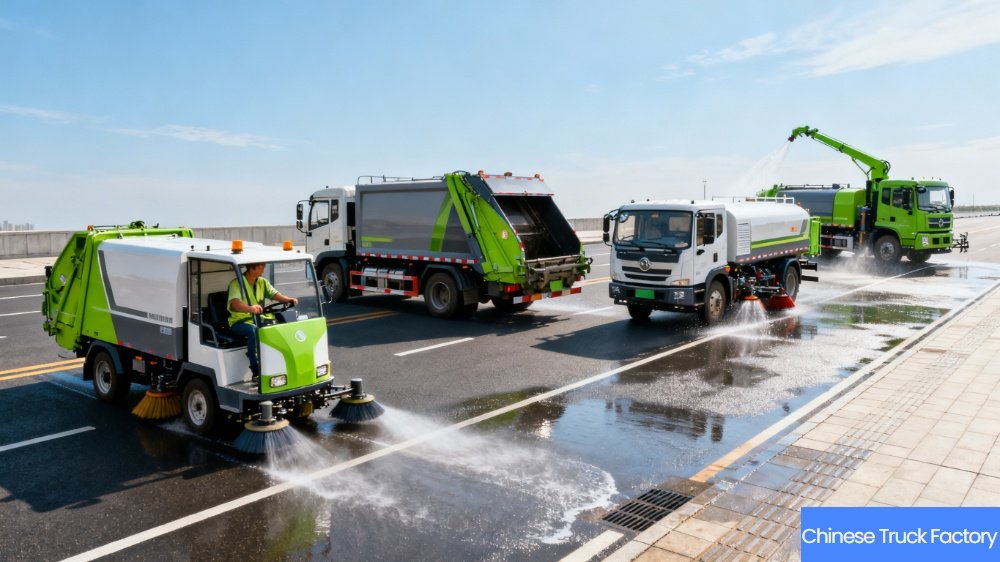
If you are planning to invest in a sanitation vehicle, you are probably asking the same questions many fleet managers and purchasing teams struggle with: “Which type should I buy? How big should it be? Will it still fit my needs in five years?” A sanitation truck is not a small purchase. It has to work hard every day, handle demanding routes, and keep operating even when budgets are tight. The goal of this article is simple: help you pick the sanitation vehicle that fits your real working conditions, not just the nicest catalog picture. We will walk through the main types of equipment, what each one does best, and how to match them to your routes, waste streams, and maintenance capacity.
Clarify what you really need from a sanitation vehicle
Before you look at brochures or ask for quotes, step back and define your needs in detail. Most bad purchases start with a vague idea like “we just need a bigger garbage truck.” In reality, the right sanitation vehicle depends on how you collect, how often you collect, and what exactly you are moving.
Start by mapping your daily operation. List the typical routes, distance per shift, the amount of waste collected, and how your crews currently work. A waste collection truck that runs short urban routes with frequent stops is very different from a long-haul transfer vehicle that moves compacted refuse from a transfer station to a landfill.
It is also important to identify the different types of waste you handle: mixed household refuse, food scraps, bulky items, construction debris, street sweepings, or liquid and sludge. Each material behaves differently in a compactor body, hook-lift container, or vacuum tank.
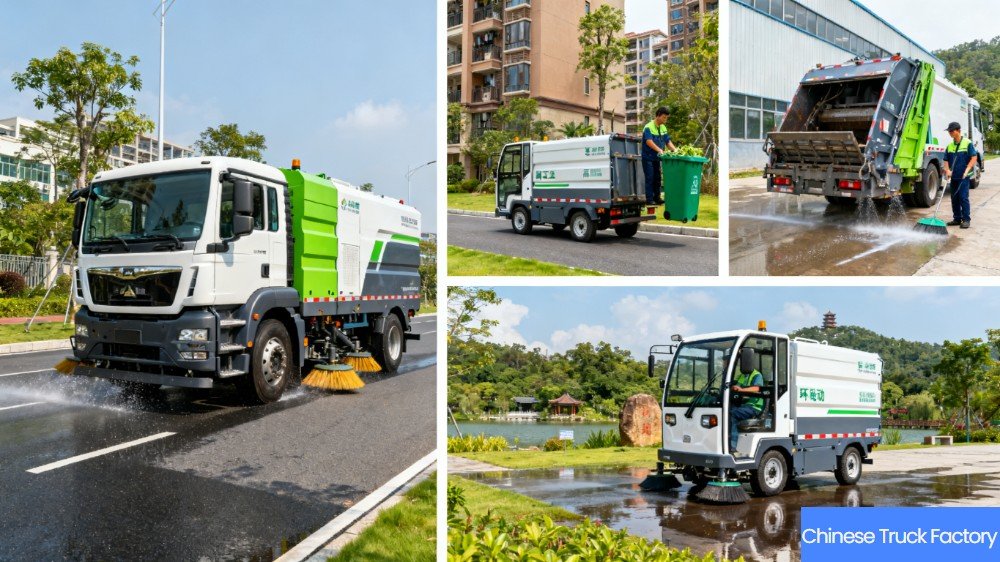
Key questions to answer before you talk to suppliers
- How many tons or cubic yards of waste do you collect per route or per day?
- What types of waste dominate your stream (household refuse, recyclables, organic waste, sludge, sweepings)?
- How narrow or wide are your streets, yards, or alleys?
- How many stops per route, and how often do crews load the sanitation vehicle by hand versus using bins or containers?
- Do you tip directly at a landfill, at a transfer station, or at a recycling facility?
- What is your current pain point: overflowing bins, slow loading, breakdowns, or high fuel and repair costs?
Writing down clear answers will make every later decision—truck type, body size, axle configuration, engine power, and even safety options—much easier and more objective.
Understand the main types of sanitation vehicles
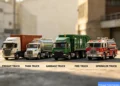
There is no single “best” sanitation vehicle. Each design solves a different problem. A garbage compactor truck is ideal for dense mixed waste. A street sweeper truck focuses on fine dust, sand, and litter on paved surfaces. A vacuum sewage truck removes sludge and liquids from tanks and drains. Knowing the strengths and limits of each type helps you build a balanced fleet instead of trying to make one truck do everything.
Common sanitation vehicle types
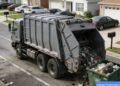
- Rear-loader garbage compactor truck – Crews load bags or bins at the rear. A compaction blade squeezes waste to increase payload and reduce trips.
- Side-loader refuse truck – Uses manual or automated arms at the side to lift bins. Ideal where standardized carts are used.
- Front-loader refuse truck – Lifts large containers over the cab into a compactor body. Often used for commercial or industrial accounts.
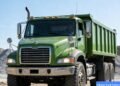
- Hook-lift or roll-off truck – Picks up and drops open-top or enclosed containers. Best for bulky waste and construction debris.
- Street sweeper truck – Uses brushes and suction to collect dust, leaves, sand, and trash from paved surfaces.
- Vacuum sewage truck – Pumps and transports liquid waste, septic sludge, or drain sediments.
- Combined jetting and vacuum truck – Cleans pipes and drains with high-pressure water and vacuum recovery.
Comparison table: choose the right sanitation vehicle type
| Type | Best use case | Typical capacity range | Key advantages | Main limitations |
|---|---|---|---|---|
| Rear-loader garbage compactor truck | Mixed household refuse, flexible routes | 8–20 m³ (10–26 yd³) | Simple operation, good compaction, works with many bin sizes | Manual loading is labor-intensive, not ideal for fully automated cart systems |
| Side-loader refuse truck | Standardized wheelie bins on curbside routes | 15–30 m³ (20–40 yd³) | Fast collection, fewer crew members, reduced human contact with waste | Requires consistent bin layout and clear access; not great for bulky items |
| Front-loader refuse truck | Large commercial containers at stores, factories, and depots | 20–35 m³ (26–46 yd³) | High productivity on set routes, low crew count, good compaction | Needs clearance above containers; not suited to tight residential streets |
| Hook-lift / roll-off truck | Construction debris, bulky waste, long-haul container moves | 20–40 m³ (26–52 yd³) | Flexible container sizes, fast swap at sites, minimal idle time | Lower compaction, fewer stops per route, higher per-unit cost |
| Street sweeper truck | Dust, sand, leaves, litter on paved surfaces | 4–10 m³ (5–13 yd³) debris hopper | Improves appearance, reduces dust and pollutants, supports stormwater control | Not designed for general waste collection; needs frequent dumping during heavy leaf season |
| Vacuum sewage truck | Septic tanks, sludge pits, drain cleaning | 5–20 m³ (6–26 yd³) tank | Handles high-moisture and liquid waste, powerful suction | Limited to liquid and semi-liquid materials; needs careful cleaning and safety procedures |
| Combined jetting & vacuum truck | Drain and sewer cleaning, pipe maintenance | Similar to vacuum trucks, with water tank | One sanitation vehicle performs both flushing and suction, reducing crew count | Higher upfront cost, requires trained operators and more maintenance |
Many fleets mix several types. For example, a rear-loader garbage truck handles household waste, a hook-lift sanitation vehicle manages bulky containers at transfer points, and a street sweeper truck maintains main roads and parking areas.
Match capacity and chassis to your routes
Once you know the right type of sanitation vehicle, the next step is to size the body and choose the correct chassis. Oversizing is tempting, but bigger is not always better. An oversized waste collection truck may struggle in narrow streets, overload pavements, and cost far more in fuel and tires than the work requires.
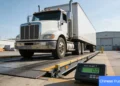
A good rule of thumb is to calculate the maximum daily tonnage on your heaviest route and then add a safety margin of about 15–25%. For a garbage compactor truck, consider both loose volume (how big the bins are) and the compaction ratio. If you collect mostly light packaging waste, volume matters more than weight; if you handle dense organic or construction waste, payload and axle ratings are critical.
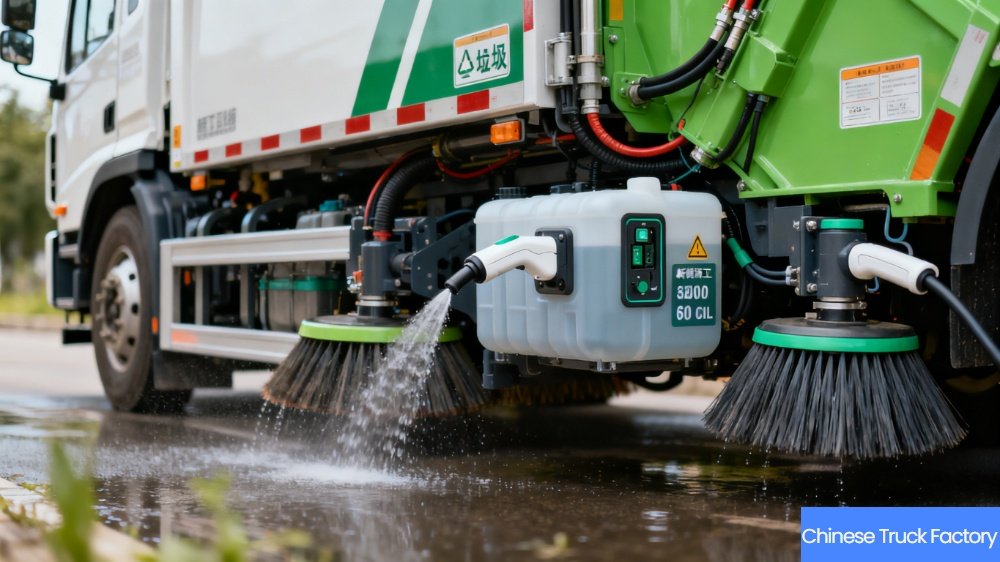
Chassis selection factors
- Gross vehicle weight rating (GVWR) – Must cover body weight, payload, fuel, crew, and any add-ons.
- Axle configuration – 4×2 or 4×4 for lighter sanitation vehicles, 6×4 or 8×4 for heavy compactors and hook-lift trucks.
- Wheelbase and turning radius – Shorter wheelbase improves maneuverability in tight streets and alleys.
- Frame strength – Sanitation bodies load the chassis unevenly during tipping or compaction; you need a frame rated for that duty cycle.
- Braking system – Frequent stop-and-go duty demands reliable, easy-to-service brakes, often with engine or retarder assistance.
When you discuss options with manufacturers, be honest about overloading patterns. If your crews often fill every cubic inch of a sanitation vehicle, you must spec the chassis for that reality, not for ideal conditions.
Powertrain, fuel choice, and environmental performance
Every sanitation vehicle runs many low-speed, stop-and-go cycles. That makes engine choice and fuel type especially important. The powertrain must deliver strong low-end torque for starting with a full load, reliable hydraulic power for compaction or sweeping, and reasonable fuel consumption.
Data from global studies shows that municipal solid waste is growing quickly. One World Bank brief estimates that the world generated around 2.24 billion tonnes of solid waste in 2020 and could reach nearly 3.9 billion tonnes by 2050 if nothing changes. That implies more trucks, more routes, and more fuel use unless fleets become more efficient.
Diesel, gas, and electric options
- Modern diesel engines – Still the most common choice for sanitation vehicles, especially larger garbage compactor trucks and hook-lift units. They offer high torque and long range but require clean fuel and regular maintenance of after-treatment systems.
- Gas engines (CNG/LNG/LPG) – Often used where cleaner exhaust and lower noise are required. Fuel cost can be attractive, but you need fueling infrastructure and trained technicians.
- Hybrid and battery-electric trucks – Still emerging but very promising for stop-and-go routes. Regenerative braking recovers energy from frequent stops. Daily mileage and charging infrastructure are the main constraints today.
Whichever fuel you choose, think in terms of total lifetime cost. One fleet cost study suggests that around 60% of a truck’s total cost can go to fuel and roughly 25% to maintenance, with only the rest covering the purchase price and other fixed costs. Reducing fuel burn and unplanned repairs with a more efficient sanitation vehicle can matter more than negotiating a small discount at purchase time.
Safety, ergonomics, and technology features that really matter
A sanitation vehicle runs among pedestrians, cyclists, parked cars, and other obstacles. At the same time, crew members are handling heavy bins, sharp objects, and sometimes hazardous waste. Safety and ergonomics are not “nice to have”—they directly affect accident rates, insurance costs, and staff turnover.
Safety features to prioritize
- Camera and radar systems for rear and blind spots, especially on garbage compactor trucks and hook-lift vehicles.
- Side under-run protection to protect pedestrians and cyclists.
- Well-designed steps and handrails to reduce slips and falls when operators climb onto platforms.
- Clear warning lights and audible alarms for reversing and compaction cycles.
- Interlocks that prevent compaction while someone is in an unsafe zone.
Ergonomics matter as well. Controls should be within comfortable reach, labeled clearly, and possible to operate with gloves. A sanitation vehicle with a quiet, well-insulated cab, air suspension seats, and clear displays keeps crews sharp and reduces fatigue on long shifts.
Smart systems and telematics
Modern waste collection trucks often include telematics modules that track location, fuel use, compaction cycles, and even bin lifts. These systems can:
- Show how much time is spent driving versus loading.
- Highlight routes where a smaller or larger sanitation vehicle would be more efficient.
- Support preventive maintenance by tracking engine hours and fault codes.
- Provide proof of service when customers question whether bins or streets were serviced.
When you evaluate new equipment, check whether the telematics platform integrates with your existing fleet management tools so you do not create data silos.
How street sweepers and stormwater control fit into your plan
A sanitation vehicle is not only about moving solid waste. A street sweeper truck plays a critical role in controlling dust, litter, and pollutants before they wash into drains. Environmental agencies point out that paved surfaces collect sediment, trash, and trace metals that run off during storms, harming waterways. Regular sweeping removes a portion of these materials before they reach drains and streams.
When selecting a street sweeper truck, compare:
- Broom-only vs. vacuum or regenerative air systems – Vacuum systems capture finer particles but may cost more and need more maintenance.
- Water spray systems – Help control dust but increase fresh water use.
- Hopper volume and dump height – Determines how often you must unload and what containers or tipping points you can use.
- Travel speed between sweeping zones – Affects how quickly the sweeper can move between work areas.
For mixed fleets, consider pairing a street sweeper truck with a hook-lift sanitation vehicle that can move debris containers and support large cleanup campaigns after storms or events.
Calculate total cost of ownership, not just purchase price
It is normal to negotiate hard on the up-front price of a sanitation vehicle. However, smart buyers know that the biggest savings come from running costs over five to ten years. A truck with a slightly higher purchase price but lower fuel use, fewer breakdowns, and better resale value can be the cheaper choice overall.
Key cost components to consider
- Purchase price – Chassis, body, options, and any on-board technology.
- Financing cost – Interest or lease payments.
- Fuel or energy – Based on realistic consumption figures for stop-and-go routes.
- Maintenance and repairs – Scheduled servicing, wear parts, and unplanned breakdowns.
- Tires – Heavily affected by axle load, turning radius, and route design.
- Insurance and permits – Variable by operating environment and vehicle type.
- Resale value – Well-known brands and popular configurations tend to sell faster and for more.
Simple example: comparing two garbage compactor trucks
Imagine you are choosing between two rear-loader sanitation vehicles:
- Truck A costs slightly less to buy but burns more fuel and has basic hydraulics.
- Truck B costs 8–10% more up front but uses a more efficient engine and optimized hydraulic system.
If Truck B saves even a small amount of fuel per shift and avoids a few breakdowns each year, the total savings over a 10-year life can easily exceed the price difference. Use realistic numbers for your routes and plug them into a spreadsheet or fleet management tool to estimate cost per kilometer or cost per ton of waste collected.
Choosing the right manufacturing partner
The best sanitation vehicle is only as good as the support behind it. Downtime during peak season is costly and stressful, so the manufacturer’s service network, spare parts availability, and technical competence are crucial. A strong partner helps you spec the right garbage compactor truck, hook-lift sanitation vehicle, or street sweeper truck from the start and supports you throughout the vehicle’s life.
When you evaluate partners, look at their track record and capacity. For example, Chinese Truck Factory describes more than two decades of experience building heavy-duty trucks and special vehicles for waste and construction applications. That experience translates into refined designs, stable supply chains, and the ability to customize sanitation vehicles for specific duties.
What to look for in a supplier
- Proven experience with garbage compactor trucks, street sweeper trucks, and vacuum sewage trucks.
- Design and engineering teams that understand your duty cycle and can recommend the right body–chassis match.
- Clear documentation of payload, compaction ratio, hydraulic performance, and safety features.
- Training packages for operators and mechanics, including manuals, videos, and on-site coaching.
- Availability of common wear parts locally or via fast shipping.
Ask for references from similar customers and, when possible, visit workshops or depots where the same sanitation vehicles are already in daily use.
Realistic example scenarios
To make these ideas more concrete, here are three typical scenarios that show how different buyers arrive at very different choices for their sanitation vehicle.
Scenario 1: High-density residential collection
A waste management company runs dense curbside routes with standardized bins. Crews report that manual loading on the current rear-loader trucks is slow and physically demanding. Analysis shows that each route involves more than a thousand stops and that trucks return partly empty because crews run out of hours, not payload.
In this case, the company decides to move to automated side-loader waste collection trucks. New sanitation vehicles feature robotic arms that lift and empty standardized bins into a compactor body. With this change:
- Crew size drops from three people to one driver.
- Routes are redesigned to cover more stops per day with fewer injuries.
- Compaction ratios rise, so the trucks return closer to full capacity.
Scenario 2: Mixed commercial and industrial accounts
Another operator serves factories, warehouses, and large stores with a mix of containers. These customers generate dense, heavy waste, often in large front-load bins. Routes involve fewer stops, but each stop has many containers to lift.
Here, a front-loader sanitation vehicle with high-capacity forks and a reinforced compactor body is a better fit. The operator chooses a robust chassis with an 8×4 configuration to handle the higher weight and specifies automatic transmissions and powerful braking systems to support frequent starts and stops with heavy loads.
Scenario 3: Street cleaning and drain maintenance
A local authority struggles with blocked drains after heavy rain and dusty conditions in the dry season. They currently use a small street sweeper truck and contract out drain cleaning. Complaints about flooding and dirty streets are frequent.
After reviewing performance data, the authority invests in a larger regenerative air street sweeper truck and a combined high-pressure jetting and vacuum sewage truck. The two sanitation vehicles work together: one removes dust and litter from streets; the other clears silt and debris from drains. Over time, residents notice fewer blocked drains and cleaner streets, while maintenance crews benefit from better equipment and safer working conditions.
Practical checklist for buying your next sanitation vehicle
When you are ready to move forward, use this checklist to structure your purchase process and avoid expensive surprises.
- Define your main use cases: household waste, commercial waste, bulky items, street cleaning, liquid waste, or a mix.
- List your heaviest routes and measure daily tonnage and stops per route.
- Pick the main vehicle type: garbage compactor truck, hook-lift sanitation vehicle, street sweeper truck, or vacuum sewage truck.
- Select body capacity based on realistic payload needs plus a safety margin.
- Choose chassis GVWR, axle layout, and wheelbase suited to your road conditions.
- Decide on a fuel type based on existing infrastructure and long-term energy strategy.
- Specify safety and ergonomics features that protect crews and the public.
- Compare long-term operating costs, not just purchase prices.
- Check manufacturer support, parts availability, and training options.
- Plan operator and mechanic training before the sanitation vehicle enters service.
Frequently Asked Questions (FAQ)
1. What is the most important factor when choosing a sanitation vehicle?
The most important factor is how closely the sanitation vehicle matches your actual routes and waste streams. Start with data: daily tonnage, stops per route, and the types of waste you collect. A garbage compactor truck may look impressive, but if your routes involve long distances and bulky, low-density waste, a hook-lift sanitation vehicle with open-top containers might be more efficient. Always define the job first and then select the truck, not the other way around.
2. How big should my sanitation vehicle be?
Bigger is not always better. If a garbage compactor truck is too large, it may struggle with narrow streets, damage pavements, or run underloaded on most days, wasting fuel. If it is too small, your crews will make extra trips to disposal sites. The best size is usually the smallest sanitation vehicle that can safely handle your peak daily tonnage with some reserve. Work with your supplier to convert your route data into the right body volume, axle configuration, and GVWR.
3. When does a street sweeper truck become necessary?
A street sweeper truck becomes necessary when dust, sand, leaves, and litter start affecting the appearance of your streets or the performance of your drainage system. If you notice frequent blocked drains, dirty gutters, or complaints about dust, you are already paying the price for inadequate sweeping. A purpose-built sanitation vehicle for sweeping can remove a portion of the pollutants that would otherwise wash into drains during storms and cause flooding or water quality problems.
4. Should I consider gas or electric options for my sanitation vehicle?
Gas and electric sanitation vehicles are worth considering, especially for dense urban routes with short distances and frequent stops. Gas engines can lower local emissions and sometimes fuel cost, provided you have reliable refueling infrastructure. Battery-electric trucks shine on predictable routes with enough time to charge between shifts. However, they require careful planning for charging and may have higher acquisition costs. Compare total lifetime costs for each option, not just fuel price today.
5. How long should a sanitation vehicle last?
Service life depends on mileage, loading, maintenance quality, and operating conditions. Many fleets plan around 8–12 years for a heavily used garbage compactor truck and slightly longer for street sweepers and hook-lift sanitation vehicles that see fewer heavy compaction cycles. Rather than using age alone, monitor cost per kilometer or per ton of waste. When repair and downtime costs rise sharply and reliability drops, it is usually more economical to replace the vehicle than to keep repairing it.
6. How can I make sure operators use the sanitation vehicle correctly?
Training is essential. Good manufacturers and dealers provide operator manuals, quick-start guides, and sometimes on-site training. At minimum, every crew member should know safe startup and shutdown procedures, daily pre-trip inspections, maximum payload limits, how to use safety interlocks, and how to respond if something goes wrong. Short refresher sessions and simple checklists in the cab help keep good habits alive. A sanitation vehicle that is used correctly will be safer, last longer, and cost less to run.
Disclaimer and data notes
Figures in this guide, such as global waste generation, are based on public reports and are intended as general background only. Actual conditions vary widely from one operation to another. Always consult up-to-date local regulations, engineering standards, and professional advisors before making investment decisions on any sanitation vehicle or waste collection truck.
Recommended content from Chinese Truck Factory
For readers who want to explore specific product lines and configurations, these pages from Chinese Truck Factory are a useful next step:
- Chinese Truck Factory – Heavy-Duty and Special Vehicles Overview
- Professional Sanitation Vehicles | Efficient Compaction System Garbage Trucks
These resources show real-world examples of garbage compactor trucks, hook-lift sanitation vehicles, and other equipment configurations that can be tailored to your routes and operating conditions.
Conclusion
Selecting the right sanitation vehicle is not about choosing the biggest or most expensive truck. It is about aligning vehicle type, size, chassis, powertrain, and safety features with the way your operation actually works. By collecting accurate route data, understanding the different roles of garbage compactor trucks, street sweeper trucks, vacuum sewage trucks, and hook-lift vehicles, and by working with a reliable manufacturer such as Chinese Truck Factory, you can build a fleet that delivers clean streets, reliable service, and predictable long-term costs. Use the checklists and examples in this guide as a starting point, then refine them with your own numbers and local experience to make the best possible decision.