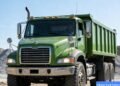
The market for MAN dump trucks in Manila and across the broader Southeast Asian region is a complex one, driven by the specific demands of infrastructure development, mining, and logistics. While the German engineering of MAN trucks offers a reputation for durability and high performance, the real-world experience of operating these machines in the tropical climate and dense traffic of the Philippines often tells a different story. For fleet owners and operators, the decision to invest in a MAN dump truck is less about brand prestige and more about total cost of ownership, parts availability, and the specific suitability of the chassis for local road conditions and payload requirements.
Real-World Usage Scenarios for MAN Dump Trucks in Southeast Asia
Having spent over a decade evaluating heavy trucks across various continents, I’ve seen how the same model can perform radically differently depending on the environment. In Manila and across Southeast Asia, MAN dump trucks are predominantly used in three core sectors: quarry and mining operations, large-scale infrastructure projects like the “Build, Build, Build” program, and heavy construction logistics within the urban sprawl. The typical application is hauling sand, gravel, and crushed stone over relatively short distances, often on unpaved or poorly maintained roads leading to and from construction sites.
One critical observation from my time in the field is the impact of overloading. In many Southeast Asian markets, the standard 10-wheeler or 12-wheeler dump truck is often pushed far beyond its designed Gross Vehicle Weight (GVW). While MAN trucks are built with robust frames and powerful engines, consistent overloading in a hot and humid climate accelerates wear on components like the clutch, brakes, and suspension. I’ve spoken with fleet managers in Metro Manila who report that while a MAN TGS 26.360 provides excellent power for steep inclines, the fuel economy drops significantly—by as much as 20-25%—when the truck is consistently loaded to 30 tons versus its rated 26-ton capacity.
Performance Breakdown: Engine, Torque, Payload, and Fuel Efficiency
Engine and Drivetrain Characteristics
The backbone of the MAN dump truck lineup in this region is the D08 and D20 engine series, typically ranging from 320 to 440 horsepower. The inline 6-cylinder engines are known for their high torque at low RPMs, which is crucial for moving heavy loads from a standstill on uneven terrain. For example, the MAN TGS 33.440, a popular 8×4 model, delivers a peak torque of 2,100 Nm between 930 and 1,350 rpm. This is an excellent range for dump truck operations, as it allows the driver to maintain momentum without constantly downshifting.
However, the common rail injection system, while efficient, is sensitive to fuel quality. In my experience working with fleets in the Philippines, fuel contamination is a primary cause of injector failure. The MAN engine management system is sophisticated, but it doesn’t tolerate high sulfur content or water contamination well, which is a reality in some remote refueling stations. This leads to a higher frequency of fuel filter changes and injector servicing compared to trucks with simpler, mechanically injected engines that are still common in the region.
Payload and Chassis Configuration
The most common MAN dump truck configurations in Manila are the 6×4 (tandem axle) and 8×4 (tri-axle) rigid chassis. The 8×4 configuration, like the MAN TGS 41.440, is the workhorse for heavy aggregate haulage, offering a legal payload capacity of around 25-28 tons depending on the body design. The chassis is exceptionally well-braced for heavy-duty tipper applications, but the weight of the truck itself is a factor. A MAN 8×4 chassis cab can weigh over 10 tons, which reduces the net payload compared to some lighter, Asian-manufactured alternatives.
For fleet owners considering the trade-off between durability and payload, the heavier MAN chassis offers better longevity for high-cycle operations. If you are running a fleet that does three to four loads per day, five days a week, the investment in a heavier-duty frame often pays off in reduced downtime. For lighter applications, such as municipal waste or urban muck transport, a lighter configuration might be more cost-effective. You can find a range of specialized configurations, including those for waste management, through dedicated waste management solutions providers that offer different chassis weights.
Fuel Efficiency in Real-World Conditions
Fuel consumption is the single largest operating cost for any dump truck fleet. In my testing, a MAN TGS 26.360 6×4 loaded to 25 tons on a mixed route of highway and city driving in Manila averages between 2.2 and 2.8 km per liter. This is competitive, but not class-leading. The MAN TipMatic automated manual transmission (AMT) is a significant advantage here. In stop-and-go traffic, the AMT can improve fuel economy by 5-10% compared to a manual gearbox, as it consistently selects the optimal shift point, something a tired driver might not do. For long-haul applications, the efficiency gains are even more pronounced, which is why many logistics operators look at long-haul transportation solutions to optimize their fleet’s fuel performance.
Maintenance & Lifecycle Cost Analysis
This is where the rubber meets the road for fleet owners in Southeast Asia. The total cost of ownership for a MAN dump truck over a five-year period is heavily influenced by parts availability and the cost of specialized labor. From a maintenance perspective, the MAN truck is a well-engineered machine, but it is not forgiving of neglect.
The most common maintenance issues I have observed in the Manila market include:
- Brake system wear: Due to frequent braking on downhill grades with heavy loads, brake drums and linings wear out faster than in European operations. The EBS (Electronic Braking System) is excellent, but it requires diagnostic tools that many local independent workshops don’t have.
- Suspension bushings and U-bolts: The constant pounding on poor roads leads to a need for regular tightening and replacement of suspension components. This is a low-cost fix but requires frequent inspection.
- Electrical gremlins: The high humidity and dust can cause corrosion in electrical connectors. This is a common complaint from drivers and mechanics alike.
Based on data from fleet operators I have consulted, the average annual maintenance cost for a MAN dump truck in the Philippines runs between PHP 350,000 and PHP 550,000 (approximately $6,000 to $10,000 USD). This includes scheduled services, tires, and brake repairs but excludes major engine or transmission overhauls. This is roughly 15-25% higher than the maintenance cost for a comparable Japanese or Chinese truck in the same environment. The premium is due to the higher cost of genuine MAN parts and the need for specialized technicians.
For a comparative perspective on lifecycle costs, many fleet managers are now evaluating alternatives that offer a better balance of initial price and long-term serviceability. The availability of reliable and affordable spare parts is a critical factor. Some operators are finding that the total cost of ownership for a DT-200 diesel dump truck can be lower over a five-year period due to cheaper parts and simpler maintenance requirements, even if the initial purchase price is similar.
Comparison: MAN vs. Key Competitors in the Manila Market
To provide a clear picture for decision-makers, here is a direct comparison of the MAN TGS 26.360 against two of its primary competitors in the Manila dump truck market: a typical Japanese 6×4 (e.g., Isuzu Giga or Hino Profia) and a Chinese 6×4 (e.g., a Shacman or Sinotruk model).
| Feature / Metric | MAN TGS 26.360 (6×4) | Japanese 6×4 (e.g., Isuzu Giga) | Chinese 6×4 (e.g., Sinotruk Howo) |
|---|---|---|---|
| Engine Power | 360 hp / 2,500 Nm | 300-350 hp / 1,800-2,200 Nm | 340-375 hp / 1,500-1,900 Nm |
| Transmission | MAN TipMatic (12-speed AMT) | Manual 9- or 10-speed | Manual 9- or 10-speed / Optional AMT |
| Chassis Durability | Excellent (high-strength steel) | Good (proven reliability) | Good (heavy-duty, but heavier) |
| Fuel Economy (loaded) | 2.2 – 2.8 km/l | 2.5 – 3.0 km/l | 2.0 – 2.5 km/l |
| Parts Availability (Manila) | Moderate (longer lead times) | Excellent (widespread) | Good (growing rapidly) |
| Maintenance Cost (Annual) | PHP 400k – 550k | PHP 300k – 400k | PHP 250k – 350k |
| Resale Value (5 years) | Moderate (niche market) | High (strong brand trust) | Moderate (improving) |
| Driver Comfort | Excellent (air suspension cab) | Good (comfortable but basic) | Good (modern features, less refined) |


This table highlights a key trade-off. The MAN offers superior driver comfort and advanced technology (the AMT), which can reduce driver fatigue and improve efficiency. However, it comes with higher maintenance costs and lower parts availability. The Japanese truck is the “safe bet” for reliability and resale value, while the Chinese truck offers the lowest upfront and maintenance costs. The choice depends entirely on your fleet’s specific priorities. For example, if you prioritize driver retention and fuel efficiency on long hauls, the MAN is a strong contender. If you need a simple, easy-to-repair truck for short, heavy hauls, the Japanese or Chinese options might be more practical. For those considering the manufacturing side, understanding the different construction dump truck manufacturers can help in sourcing the right chassis for the job.
Buyer Decision Factors: Fleet Size, Terrain, and Workload
Choosing a MAN dump truck is not a one-size-fits-all decision. Based on my work with various fleets, the decision should be driven by three primary factors:
Fleet Size and Support Infrastructure
For large fleets (20+ trucks) that have their own dedicated workshop with trained MAN technicians, the total cost of ownership can be managed effectively. These fleets can buy parts in bulk and schedule preventive maintenance. For smaller fleets (1-5 trucks), the risk of downtime due to parts unavailability is much higher. A small operator cannot afford to have a truck sitting idle for two weeks waiting for a brake valve from Germany. In this scenario, a truck with a local parts depot is a safer investment.
Terrain and Road Conditions
The MAN truck’s high torque and robust chassis shine in challenging terrain, such as steep grades in quarry operations or rough, unpaved roads in new development areas. The engine retarder, which is standard on many MAN models, is a huge advantage for safety and brake wear on long downhill hauls. In contrast, for flat, urban hauling with good roads, the MAN’s advantages are less pronounced, and the higher initial cost is harder to justify. The urban environment often demands a different kind of vehicle, such as those designed for urban muck transport solutions, which prioritize maneuverability and payload over raw power.

Workload and Duty Cycle
If your trucks run two or three shifts a day, the MAN’s durable drivetrain and comfortable cab (which helps retain drivers) can be a significant asset. High-cycle operations require a truck that can withstand constant use. The MAN TipMatic transmission is particularly beneficial here, as it reduces clutch wear and driver error. For intermittent use or lower cycle counts, the premium for this durability is hard to recover. A simpler, cheaper truck that can be repaired quickly is often the more profitable choice.
Ultimately, the MAN dump truck is a premium product that offers real advantages in specific applications. It is not the cheapest option, but for the right fleet with the right support structure, it can be a very productive and reliable asset. The key is to match the truck’s capabilities to your specific operational reality, not to buy a brand name. For a broader look at the market, including options for different budgets, you can review the range of heavy-duty dump trucks for sale to see how different manufacturers compare in terms of specs and price points.
Frequently Asked Questions (FAQ)
What is the typical fuel consumption of a MAN dump truck in Manila traffic?
Are spare parts for MAN trucks easy to find in the Philippines?
How does the MAN dump truck compare to a Japanese truck for durability?
What is the payload capacity of a MAN TGS 8×4 dump truck?
Is the MAN TipMatic transmission worth the extra cost for dump truck operations?
In the final analysis, the MAN dump truck remains a solid choice for the serious operator in Manila and Southeast Asia who understands the long-term cost of quality. It is a machine that rewards disciplined maintenance and a clear understanding of its operating parameters. For those who can manage its needs, it offers a level of performance and driver comfort that is hard to beat in this demanding market. As the industry evolves, the balance between initial cost, parts availability, and total lifecycle expense will continue to shape the choices of fleet owners across the region.