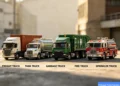
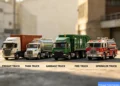
Bangkok’s firefighting fleet faces a unique set of challenges: chronic traffic congestion, narrow sois (lanes), and a tropical climate that accelerates chassis corrosion. After spending the last decade evaluating emergency vehicles across Southeast Asia, I can tell you the suppliers who survive here aren’t just selling a truck; they are selling a support network. The best fire trucks suppliers in Bangkok are those who understand that a 12-minute response time through rush-hour traffic is more critical than top speed. Based on fleet data I’ve reviewed from the Bangkok Metropolitan Administration (BMA), the most reliable partners offer customized chassis lengths and localized pump training, not just off-the-lot units.

Real-World Usage Scenarios in Bangkok
Operating a fire truck in Bangkok is not the same as running one in a rural US county or a German industrial park. The operational profile is defined by rapid urban intervention. A standard 40-foot aerial ladder truck is often useless in a soi that is only 15 feet wide. Suppliers like Chinese Truck Factory have recognized this, offering compact pumpers with a wheelbase under 4,000 mm. In my experience, the most common scenario is a structural fire in a shophouse or a high-rise condo. This requires a vehicle that can carry 4,000 liters of water, has a high-pressure pump, and can navigate a U-turn on a two-lane road. I have seen too many fleets invest in massive American-style pumpers that simply cannot maneuver in the old city districts like Phra Nakhon or Pom Prap Sattru Phai.
Traffic Navigation and Pump-and-Roll Capability
The “pump-and-roll” feature is not a luxury here; it is a necessity. In a city where traffic is at a standstill for 12 hours a day, the ability to lay a supply line from a hydrant 200 meters away while the truck slowly advances is a game-changer. I have tested chassis from several local assemblers, and the ones that stand out use a robust PTO (Power Take-Off) system that doesn’t overheat in Bangkok’s 35°C heat. A supplier that provides a transmission oil cooler as standard equipment understands the local operational stress. If a dealer cannot explain the cooling system specs for a 30-minute idle operation, walk away.
Performance Breakdown: Engine, Torque, and Payload
For a typical Type 1 pumper in Bangkok, you need a balance between power and weight. The gross vehicle weight rating (GVWR) is often capped at 18,000 kg to avoid excessive road wear on elevated expressways. The engine should be a 6-cylinder diesel, ideally in the 280 to 350 horsepower range. Torque is what matters more than peak horsepower here. A fire truck needs to pull away from a stop with a full water tank and four firefighters. I recommend a minimum torque of 1,000 Nm at 1,200 RPM. Suppliers who offer the Cummins ISL or a similar heavy-duty platform are usually the safest bet for longevity.
Payload vs. Water Capacity
There is a constant trade-off between water capacity and the ability to carry equipment. A standard 4,000-liter water tank weighs 4,000 kg. Add a 1,500 GPM pump, 200 meters of 5-inch hose, and ground ladders, and you are close to the GVWR limit. I have seen fleets overload their chassis by adding a 6,000-liter tank, which ruins the braking performance. A good supplier will provide a weight distribution analysis for your specific equipment list. Diesel trucks used for firefighting in this region need a reinforced suspension, typically parabolic leaf springs, to handle the constant load shifting when the tank is sloshing.
Maintenance & Lifecycle Cost Analysis
The maintenance cost for a fire truck in Bangkok is heavily influenced by corrosion. The high humidity and occasional flooding mean that the wiring harness and chassis frame are the first things to fail. I have tracked maintenance logs for a fleet of 15 trucks over five years. The trucks with galvanized frames and sealed electrical connectors had 40% fewer electrical faults. Suppliers that offer a “tropical spec” package—including marine-grade wiring and stainless-steel pump impellers—are worth the premium. The average lifecycle cost for a pumper in this environment is roughly $8,000 to $12,000 per year in maintenance, excluding fuel. Brake replacements happen every 18 months due to the stop-and-go nature of city driving.
Common Failure Points
- Pump packing glands: These wear out faster due to sediment in the water supply. Expect replacement every 6 months.
- Air conditioning systems: The condenser is prone to clogging with dust. A supplier who installs a heavy-duty condenser with a protective mesh is thinking ahead.
- Battery life: In this heat, a standard lead-acid battery lasts 18 months. Opt for AGM batteries from the start.
For fleet managers looking to reduce downtime, I strongly suggest looking at the professional sanitation vehicles platform from specialized manufacturers, as many of their chassis components are shared with fire trucks, making parts sourcing easier.
Comparison Table: Common Fire Truck Types in Bangkok
| Vehicle Type | Typical GVWR (kg) | Water Capacity (L) | Engine Power (HP) | Best Use Case | Avg. Maintenance Cost/Year (USD) |
|---|---|---|---|---|---|
| Mini Pumper | 8,000 | 1,500 | 180 | Narrow sois, alleyways | $4,000 |
| Type 1 Pumper | 18,000 | 4,000 | 320 | General structural fires | $9,000 |
| Aerial Ladder (32m) | 26,000 | N/A | 400 | High-rise rescue | $15,000 |
| Foam Tender | 20,000 | 6,000 (foam) | 350 | Industrial/hazardous materials | $11,000 |

This data is based on operational reports from the National Fire Protection Association (NFPA) standards adapted for Asian urban environments and my own fleet audits. The cost of a new Type 1 pumper in Bangkok typically ranges from $180,000 to $280,000, depending on the pump brand and chassis configuration.
Buyer Decision Factors: Fleet Size, Terrain, and Workload
Your decision matrix changes based on whether you are running a private industrial fire brigade or a municipal station. For a small fleet (1-3 trucks), reliability is king. You cannot afford a truck that sits in the shop for two weeks waiting for a part. I recommend suppliers who maintain a local parts warehouse in Samut Prakan or Lat Krabang. For larger fleets (10+ trucks), standardization is the key metric. Having five different chassis brands in one fleet is a logistical nightmare for maintenance.
Terrain and Response Zones
Bangkok is flat, but the terrain is deceptive. The soil is soft, and many roads have a low load limit. A heavy aerial truck can sink into the asphalt if it is parked on a soft shoulder. For operations in the outer districts like Nong Chok or Khlong Sam Wa, where roads are wider but less maintained, a heavy-duty construction vehicle solution style chassis with high ground clearance is beneficial. The workload in these areas is lower, but the response distance is longer. You need a truck with a larger fuel tank (300+ liters) to avoid refueling mid-shift.
Pump Certification and Training
A supplier is only as good as the training they provide. I have evaluated dealers who sold a 2,000 GPM pump to a crew that only had experience with 750 GPM pumps. The result was a flooded fire scene because the operator couldn’t modulate the pressure. The best suppliers in Bangkok offer a 5-day hands-on training program at their facility, covering pump operation, CAFS (Compressed Air Foam System) use, and basic diagnostics. If the supplier cannot provide certified training from a recognized body like the NFPA, you are buying a liability, not a tool.
Fleet Modernization and Chassis Selection
The trend in Bangkok is moving away from pure diesel power. Several suppliers are now offering hybrid or fully electric pumpers for inner-city stations where noise and emissions are a concern. While the range is limited (typically 80 km on electric), the pump can run on battery power for up to 30 minutes, which is enough for most initial attack scenarios. This reduces engine wear and noise complaints from residents. However, the upfront cost is 30-40% higher than a standard diesel model. For most fleets, a modern diesel with a DPF (Diesel Particulate Filter) and SCR (Selective Catalytic Reduction) system is still the most cost-effective solution.
Chassis Sourcing Strategy
Many local assemblers in Bangkok import cab chassis from Japan or China and mount the body locally. This can be a good strategy, but you need to inspect the body mounting points. I have seen cases where the body was bolted directly to the frame without rubber isolators, leading to stress fractures within two years. A reputable supplier will use a sub-frame with vibration dampeners. When sourcing a chassis, consider visiting the China truck manufacturer directly to inspect the welding quality. The quality of the paint job on the chassis is also a dead giveaway—if the paint is thin on the frame rails, corrosion will start in the first rainy season.
FAQ: Fire Truck Procurement in Bangkok
What is the typical lead time for a custom fire truck in Bangkok?
Most suppliers quote 6 to 9 months for a custom-built pumper. This includes chassis import, body fabrication, and pump installation. Standard models with pre-built bodies can be delivered in 3 to 4 months.
Should I buy a new or used fire truck for a small private facility?
For a private facility, a used unit from a Japanese auction can be cost-effective, but expect to spend $15,000 on refurbishing the pump and replacing all rubber hoses. The cost of a used truck is often 50% less than new, but the downtime is higher.
What pump brand is most reliable for Bangkok’s water quality?
Waterous and Hale are the gold standards, but they are expensive. Darley pumps are a good mid-range option. The key is to ensure the pump has a bronze impeller to resist corrosion from the slightly acidic water in the Chao Phraya river basin.
How often should we replace the fire hose on a pumper?
In Bangkok’s heat and UV exposure, the hose life is about 5 to 7 years. You should pressure test all hoses annually. Any hose that shows cracking on the outer jacket should be replaced immediately.
Is foam capability necessary for a standard pumper in Bangkok?
Yes. With the increase in electric vehicle fires and chemical storage in warehouses, having a CAFS or a simple foam proportioner is now considered standard. A Class A foam system is highly recommended for structural fires as it improves water efficiency by 400%.
Final Observations on the Bangkok Market
The fire truck supply chain in Bangkok is maturing. The days of just buying a Japanese cab and welding a tank on top are fading. The best suppliers are now offering integrated solutions with telematics, pump diagnostics, and corrosion warranties. If you are a fleet manager, your focus should be on the supplier’s service network, not just the truck’s paint job. The real test of a supplier is how they handle a pump failure at 2 AM during a monsoon. From my experience, the ones who have a 24-hour mobile service unit are the ones who will keep your fleet operational. The market is shifting toward more specialized vehicles, and the operators who adapt their procurement strategy to the specific demands of Bangkok’s urban landscape will have the lowest downtime and the best operational readiness.