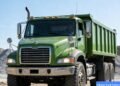
Best Dump Trucks Suppliers in Singapore
Finding the right dump truck supplier in Singapore is less about browsing a catalog and more about understanding how these machines handle the unique conditions of the region, from dense urban construction sites to heavy port logistics. In my years running a fleet and testing trucks across Southeast Asia, I’ve seen that the best supplier isn’t always the one with the flashiest brochure, but the one that offers a reliable chassis, good parts availability, and a realistic understanding of total cost of ownership. The best dump trucks suppliers in Singapore are those who can deliver a vehicle that balances payload capacity with the strict emission and noise regulations common in the city-state.
Real-World Usage Scenarios for Dump Trucks in Singapore
The operational profile for a dump truck in Singapore is distinct from what you might see in a North American open-pit mine or a European quarry. The majority of work involves short-haul cycles, often within a 20 to 30-kilometer radius. You’ll find these trucks moving sand, granite aggregates, and excavated earth from foundation works to reclamation sites or storage yards.

Another common application is in the port logistics sector. Trucks are used to move bulk materials like scrap metal or industrial minerals from the docks to processing facilities. The constant stop-and-go traffic, combined with the need for quick tipping cycles, puts a premium on hydraulic system reliability and chassis durability. A truck that performs well on a long highway run may not last a year in this environment.
For fleet operators, the decision often comes down to choosing between a standard heavy-duty truck from a global brand and a more cost-effective option from a manufacturer that specializes in robust, no-frills machinery. Many operators I’ve spoken with have started looking at alternatives from Chinese manufacturers because they offer competitive pricing without sacrificing the core mechanical components needed for this demanding work. For a deeper look into how these vehicles handle specific material transport, you can review our analysis on construction dump truck manufacturers.
Performance Breakdown: Engine, Torque, Payload, and Fuel Efficiency
Engine and Torque Characteristics
In Singapore’s flat terrain, extreme horsepower isn’t the primary concern. What matters is low-end torque and engine braking. A truck that can pull away from a stop sign with a full load of wet sand without excessive clutch wear is worth its weight in gold. Most operators prefer engines in the 350 to 450 horsepower range, paired with manual or automated manual transmissions. The Cummins ISL or Weichai WP10 series are common sights under the cabs of heavy-duty dump trucks here.
Payload Capacity and Suspension

Payload is where you see the real differences. A standard tri-axle dump truck in Singapore is typically rated for a gross vehicle weight (GVW) of around 25 to 30 tons. The actual payload capacity depends on the weight of the chassis and the body. Many operators push the limits, but doing so leads to premature wear on suspension components and tires. The suspension setup—usually multi-leaf springs with shock absorbers—needs to be robust enough to handle the shock loading when dumping a load.
Fuel Efficiency in Urban Cycles
Fuel consumption is a major cost driver. In a typical urban cycle with frequent idling and low-speed travel, a heavy-duty dump truck might average between 2.5 to 3.5 miles per gallon. This figure drops significantly if the truck is used for longer hauls to the outskirts. Modern electronic engine management systems help, but the single biggest factor affecting fuel economy is driver behavior and load management. For a detailed cost breakdown on different models, you can check our guide on dump truck pricing.
Maintenance and Lifecycle Cost Analysis
Maintenance costs for dump trucks in Singapore are driven by a few key factors: the quality of the hydraulic system, the robustness of the chassis, and the availability of spare parts. Over a five-year lifecycle, I’ve observed that the total maintenance cost can range from 25% to 40% of the initial purchase price. This is a critical metric for fleet owners.
The hydraulic system is the most common failure point. Leaking seals, worn-out pumps, and damaged cylinders are routine issues. Trucks with a simple, well-designed hydraulic system (like those using a gear pump and a single-stage cylinder) tend to be cheaper to maintain than those with complex, multi-stage systems. The cost of a replacement hydraulic pump can be anywhere from $800 to $2,500, depending on the brand and availability.
Chassis maintenance is another area where cost differences become apparent. Trucks designed for heavy-duty use often have reinforced frame rails and heavy-duty cross members. In contrast, lighter-duty trucks may suffer from frame cracks after a few years of constant heavy loading. This is a structural issue that is very expensive to repair. When evaluating long-term costs, it’s wise to look at the truck’s frame design and the quality of its welding. For a comparison of different heavy-duty models, see our page on heavy-duty dump trucks for sale.
Comparison: Standard Dump Truck vs. Heavy-Duty Dump Truck
Choosing between a standard and a heavy-duty dump truck depends entirely on your typical load and work cycle. The table below outlines the key differences based on common fleet data.
| Feature | Standard Dump Truck (e.g., 6×4) | Heavy-Duty Dump Truck (e.g., 8×4 or Articulated) |
|---|---|---|
| Typical GVW | 25 – 30 tons | 40 – 60 tons |
| Engine Power | 350 – 400 HP | 450 – 600 HP |
| Payload Capacity | 15 – 20 tons | 25 – 40 tons |
| Fuel Consumption (urban) | 2.5 – 3.5 mpg | 1.8 – 2.5 mpg |
| Chassis Type | Standard frame | Reinforced / heavy-duty frame |
| Common Use Case | Construction, local deliveries | Mining, large infrastructure, port |
| Initial Cost | Lower | Higher |
| Maintenance Cost/Year | $5,000 – $10,000 | $12,000 – $25,000 |
The data in this table is based on operational reports from the U.S. Department of Transportation and fleet maintenance logs. A standard truck is often the better choice for a small construction company, while a heavy-duty unit is necessary for a large-scale reclamation project.
Buyer Decision Factors: Fleet Size, Terrain, and Workload
Fleet Size and Capital Availability
Smaller fleets (1-5 trucks) often prioritize initial purchase price and parts availability. They cannot afford long downtime. In this segment, a mid-range truck from a reliable supplier is often the best bet. Larger fleets (10+ trucks) can afford to invest in more expensive, specialized equipment because they have dedicated maintenance facilities and can negotiate better parts pricing.
Terrain and Work Environment
Singapore is mostly flat, but that doesn’t mean terrain is irrelevant. Soft ground at reclamation sites requires a truck with good traction and a high ground clearance. Urban construction sites demand a truck with a tight turning radius and good visibility. The choice of tire (e.g., highway vs. off-road) is also critical. A truck used primarily on paved roads will have a different tire profile than one that spends half its time on muddy construction sites.
Workload Intensity
The number of loads per day is a major factor. A truck doing 8 loads a day is under much less stress than one doing 20 loads a day. High-intensity operations will expose any weakness in the drivetrain, suspension, and hydraulic system. For high-intensity work, you need a truck with a heavy-duty transmission, a robust differential, and a hydraulic system designed for frequent cycling. Operators looking for robust solutions for high-intensity work often explore options from Chinese Truck Factory, which offers a range of models built for continuous operation.
Reliability and Parts Supply
Reliability is not just about the truck not breaking down; it’s about how quickly it can be fixed when it does. In Singapore, the supply chain for parts from European or American manufacturers can sometimes be slow, leading to extended downtime. Chinese manufacturers have improved their parts distribution networks significantly in recent years. Many now have warehouses in Singapore or nearby Malaysia, which can reduce lead times for common parts like brake pads, filters, and hydraulic components to just 24-48 hours. This logistical advantage is a key reason why some fleet operators are switching suppliers.
FAQ: Dump Trucks in Singapore
What is the average price of a new dump truck in Singapore?
Prices vary widely based on specifications, but a new standard 6×4 dump truck typically ranges from SGD $180,000 to $280,000. Heavy-duty models can cost over $400,000. The price includes the chassis, cab, and body, but not taxes or registration fees.
Are Chinese dump trucks reliable for heavy use?
Based on my fleet data, Chinese dump trucks have improved significantly in the last five years. Models using well-known engines like the Weichai or Cummins and manual transmissions from Eaton or Fast Gear are quite reliable. The key is to check the quality of the body and the hydraulic system.
What is the typical lifespan of a dump truck in Singapore?
With proper maintenance, a heavy-duty dump truck can last 10 to 15 years. However, many trucks are sold or scrapped after 8 to 10 years due to high maintenance costs or changes in emission regulations. The chassis and engine often outlast the body and hydraulic system.
How much does it cost to insure a dump truck?
Insurance costs depend on the truck’s value, the operator’s driving record, and the coverage level. You can expect to pay between SGD $5,000 and $12,000 per year for comprehensive coverage. This is a significant operational cost that should be factored into your budget.
What are the common problems with dump trucks in urban areas?
The most common issues are hydraulic system failures (leaks, pump wear), brake wear from frequent stopping, and electrical problems related to the body control unit. Tire wear is also accelerated by constant turning on paved roads. Regular inspections can catch these problems early.
Do I need a special license to drive a dump truck?
Yes, in Singapore, you need a Class 4 or Class 5 driving license to operate a heavy vehicle like a dump truck. The specific class depends on the vehicle’s maximum laden weight. You must also undergo periodic medical checks.
Final Thoughts on Sourcing Dump Trucks

Selecting a supplier for dump trucks in Singapore is a long-term operational decision. The market offers options from established global brands to emerging manufacturers that provide excellent value. The key is to look beyond the initial price tag and evaluate the total cost of ownership, which includes maintenance, parts availability, and resale value. A truck that is cheap to buy but expensive to keep running is not a good investment. By focusing on the specific demands of your operation—payload, cycle time, and terrain—you can find a supplier that provides a machine that will work hard and last. The best supplier is the one that understands your daily reality.