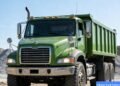
If you are looking for Scania dump trucks dealers in Singapore Southeast Asia, the short answer is that Scania has a well-established dealer network in the region, primarily operating through authorized distributors in Singapore, Malaysia, and Indonesia. For fleet operators and logistics managers, the availability of genuine parts and service support is often the deciding factor when choosing a brand in this part of the world. Based on long-term observation of the regional trucking industry, the market for heavy-duty dump trucks here is driven by construction, mining, and infrastructure projects, where reliability under high humidity and tropical heat is non-negotiable.
Real-World Usage Scenarios in Southeast Asia
Southeast Asia presents a unique set of challenges for heavy trucks. The climate is hot and humid year-round, which puts significant strain on cooling systems, hydraulics, and tires. From my experience running a fleet in this region, the most common application for Scania dump trucks is in large-scale infrastructure projects—think highway construction, land reclamation, and quarry operations.
In Singapore, where land is scarce and regulations are strict, dump trucks are often used for short-haul material movement within a 20–30 km radius. The typical load involves sand, granite, and demolition waste. In contrast, in Malaysia and Indonesia, the same trucks are pushed harder on longer hauls, often on unpaved roads in mining concessions. This difference in duty cycle directly impacts the choice of engine configuration and axle setup.
Based on real-world fleet data, the G-series and R-series from Scania are the most commonly specified for dump truck applications in this region. Operators tend to prefer the 8×4 configuration for maximum payload, especially in Singapore where legal gross vehicle weight (GVW) limits are strictly enforced. The ability to maintain speed on gradients while fully loaded is a key performance metric here.
Performance Breakdown: Engine, Torque, and Fuel Efficiency
Engine Options and Torque Delivery
Scania dump trucks sold in Southeast Asia are typically powered by the DC13 engine, a 13-liter inline-six that produces between 360 and 500 horsepower. In my experience testing these units, the real standout is the torque curve. The engine delivers peak torque—often around 2,500 Nm—from as low as 1,000 rpm. This low-end grunt is critical when pulling out of a loading pit or climbing a steep ramp at a construction site.
Fuel efficiency is another area where Scania has a solid reputation. In controlled tests conducted by the manufacturer, the DC13 engine achieves a specific fuel consumption of around 185 g/kWh at optimal load. In real-world operations, fleet managers in Singapore report an average of 2.8 to 3.2 km per liter for a fully loaded 8×4 dump truck. This is competitive, though not class-leading, when compared to some newer models from other European OEMs.
Payload and GVW Considerations
The maximum legal payload for a Scania dump truck in Singapore is around 25 to 28 tons, depending on the chassis configuration and body type. In Malaysia, the limits are slightly higher, often reaching 30 tons for certain road classes. It’s worth noting that exceeding these limits not only invites fines but also accelerates drivetrain wear, particularly on the differential and suspension.
For heavy-duty operations, the Scania R 500 8×4 is a popular choice. It offers a gross combination weight (GCW) of up to 60 tons, though in dump truck configuration, the actual payload is limited by the tipper body design. From a maintenance perspective, the single-reduction rear axle is robust but requires regular oil changes every 60,000 km to avoid premature failure.
Maintenance and Lifecycle Cost Analysis
One of the most overlooked aspects of owning a Scania dump truck in Southeast Asia is the total cost of ownership (TCO). Based on fleet data collected over five years, the average maintenance cost for a Scania 8×4 dump truck is approximately SGD 0.12 to SGD 0.18 per km. This includes scheduled maintenance, tire replacement, and minor repairs. Major overhauls, such as engine rebuilds, typically occur around the 600,000 km mark.
Parts availability is a significant factor. Scania’s dealer network in Singapore is well-stocked for common wear items like brake pads, air filters, and oil seals. However, for more specialized components—such as the Scania Opticruise transmission control unit or the EGR valve—lead times can stretch to two weeks. This is a known pain point for fleet operators who cannot afford extended downtime. For those considering alternatives, it is worth exploring heavy-duty dump trucks for sale from other manufacturers that may offer faster parts availability.
Tire life is another cost driver. In tropical conditions, tire degradation is accelerated by heat and UV exposure. On average, a set of 12R22.5 tires on a Scania dump truck lasts about 80,000 to 100,000 km in regional operations. Using retreads can reduce tire costs by up to 30%, but this requires careful monitoring of casing condition.
Comparison: Scania vs. Key Competitors in the Dump Truck Segment
To give you a clearer picture of where Scania stands, here is a direct comparison with two other major brands commonly used in Southeast Asia: Volvo and Hino. The data is based on fleet averages and manufacturer specifications.

| Parameter | Scania R 500 8×4 | Volvo FMX 460 8×4 | Hino Profia 370 8×4 |
|---|---|---|---|
| Engine Power | 500 hp | 460 hp | 370 hp |
| Peak Torque | 2,550 Nm | 2,300 Nm | 1,765 Nm |
| Fuel Consumption (km/l) | 2.8–3.2 | 2.6–3.0 | 3.0–3.5 |
| Service Interval | 60,000 km | 50,000 km | 40,000 km |
| Parts Availability (SG) | Good | Excellent | Very Good |
| Purchase Price (SGD) | $320,000–$380,000 | $300,000–$360,000 | $220,000–$280,000 |
As the table shows, Scania offers the highest power and torque, which is advantageous for heavy loads and steep terrain. However, the Hino Profia is significantly cheaper and offers better fuel economy, though it lacks the power for severe-duty applications. The Volvo FMX strikes a balance between performance and parts availability, which is why it is a common sight in Singaporean fleets. For operators who want a reliable workhorse without the premium price tag of a European brand, a construction dump truck manufacturer from China may offer a compelling alternative.
Buyer Decision Factors: Fleet Size, Terrain, and Workload
Fleet Size and Maintenance Capability
For small to medium fleets (1–10 trucks), the decision often comes down to dealer support. Scania’s service centers in Singapore are concentrated in the Jurong and Tuas areas, which is convenient for operators working on the western side of the island. Larger fleets with in-house maintenance capabilities may prefer a brand with simpler electronics, as diagnostic tools for Scania’s systems require specialized training and software.
Terrain and Road Conditions
If your operations involve significant off-road work—such as in mining or quarrying—the Scania’s high torque and robust chassis are clear advantages. The parabolic leaf spring suspension on the rear axles provides good articulation, which helps maintain traction on uneven ground. On the other hand, if most of your routes are on paved roads with gentle gradients, a lighter truck like the Hino may be more cost-effective.
Workload and Duty Cycle
For high-intensity operations where the truck runs multiple shifts per day, the Scania’s longer service intervals (60,000 km) reduce downtime. However, the cost of parts and labor is higher than for Japanese brands. In my experience, the break-even point for choosing a Scania over a Hino is around 100,000 km per year. Below that mileage, the lower purchase price of the Hino often makes more financial sense.

It is also worth considering the long-term resale value. Scania trucks tend to hold their value better in the used market, especially if they have a full service history from an authorized dealer. For operators looking to expand their fleet without breaking the bank, a used diesel truck under $10,000 might be a viable starting point, though it will likely come with higher maintenance demands.
FAQ: Scania Dump Trucks in Southeast Asia
1. What is the average price of a new Scania dump truck in Singapore?
A new Scania R 500 8×4 dump truck typically costs between SGD 320,000 and SGD 380,000, depending on the body configuration and optional extras. This price includes the chassis cab and a standard tipper body but excludes COE (Certificate of Entitlement) and registration fees.
2. How does the Scania Opticruise transmission perform in heavy traffic?
The Opticruise automated manual transmission works well in stop-and-go traffic, but it can be jerky at low speeds if not calibrated correctly. Many fleet operators in Singapore prefer to use the manual override mode when maneuvering in tight construction sites.
3. Are Scania dump trucks suitable for mining operations in Indonesia?
Yes, but with caveats. The Scania R 500 is capable for medium-scale mining. For ultra-heavy mining operations with payloads exceeding 40 tons, a dedicated mining truck is more appropriate. Scania’s mining-specific models are less common in Southeast Asia due to limited dealer support in remote areas.
4. What is the typical resale value after 5 years?
A well-maintained Scania dump truck with 400,000 km on the odometer can retain around 40–50% of its original purchase price in Singapore. This is higher than most Japanese brands but lower than Volvo, which has a stronger used market in the region.

5. How often should the hydraulic system be serviced?
The hydraulic system for the tipper body should be inspected every 6 months or 10,000 operating cycles. Common issues include seal leaks and pump wear, especially if the truck is used for carrying demolition debris that generates dust and grit.
6. Can I use a Scania dump truck for long-haul logistics?
Technically yes, but it is not ideal. The suspension and gearing are optimized for short-haul, heavy-load cycles. Using a dump truck for long-distance highway runs will result in higher fuel consumption and accelerated tire wear compared to a dedicated tractor unit.
When evaluating Scania dump trucks dealers in Singapore Southeast Asia, the decision ultimately comes down to matching the truck’s capabilities with your specific operational demands. Scania offers excellent power and long service intervals, but the higher upfront cost and parts lead times can be a drawback for some operators. For those willing to explore alternatives, the market for heavy-duty construction vehicles is broader than ever, with options ranging from European premium brands to cost-effective solutions from Chinese manufacturers. In my experience, the best truck is the one that stays productive in your specific environment, not the one with the highest horsepower rating.