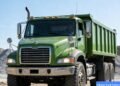
If you’re sourcing dump trucks in Ho Chi Minh City, you’re looking at one of Southeast Asia’s busiest logistics hubs. The reality is that most fleet operators here run a mix of Japanese used trucks and new Chinese heavy-duty models. Based on years of working with fleets across Vietnam, the best dump truck suppliers in Ho Chi Minh City are those who can offer parts availability, real after-sales support, and chassis configurations that handle both city congestion and quarry hauling. This market isn’t about flashy specs — it’s about uptime and total cost per ton.
Real-World Usage Scenarios for Dump Trucks in HCMC
Ho Chi Minh City is a sprawling construction zone. You’ve got high-rise foundations being dug in District 2, infrastructure projects along the Ring Road, and sand hauling from the Mekong Delta ports. Each scenario demands a different truck setup.

For urban construction sites, maneuverability is the main headache. A 6×4 rigid dump truck with a 12-meter turning radius will struggle in narrow alley access points common in older districts. Many operators I’ve spoken with prefer a 4×2 short-wheelbase configuration for inner-city work, even if it means sacrificing some payload capacity.
On the other hand, if you’re hauling aggregate from Cat Lai Port to a concrete plant in Binh Duong, a 6×4 or even 8×4 chassis becomes necessary. The roads are wider, but the load cycles are relentless. Overloading is common in this region, so frame strength and suspension durability are non-negotiable. In real-world fleet observation, the trucks that survive longest in HCMC are those with reinforced rear axles and heavy-duty leaf springs, not necessarily the ones with the highest horsepower ratings.
For long-distance hauls from the Central Highlands down to HCMC, fuel efficiency becomes the primary concern. A typical round trip from Da Lat to Thu Duc can be 600 kilometers. Operators running older Japanese trucks often report fuel consumption around 35–40 liters per 100 km with a 20-ton load. Newer Chinese models, like those from Chinese Truck Factory, have been closing that gap significantly, with some fleets reporting 32–36 liters per 100 km under similar conditions.
Performance Breakdown: Engine, Torque, and Payload
When you strip away the marketing, dump truck performance in HCMC comes down to three factors: low-end torque for soft ground conditions, brake reliability for downhill loaded runs, and payload consistency.
Engine Specs That Actually Matter
Most dump trucks sold in HCMC come with either a Cummins or Weichai engine. The Cummins ISLe series, typically in the 340–375 hp range, is common in second-hand Japanese units. These engines are reliable, but parts can be expensive if you’re buying from a non-authorized dealer.
Weichai engines, found in many new Chinese imports, offer comparable power but at a lower initial cost. A typical Weichai WP10 engine delivers around 350 hp and 1,600 Nm of torque. In practice, this is enough for a 25-ton payload on paved roads. However, on soft terrain like a sand pit, the torque curve matters more than peak numbers. The Weichai engines tend to hit peak torque at a lower RPM (around 1,200–1,400 rpm), which helps when you’re trying to get a loaded truck moving from a standstill on loose ground.
Payload Capacity vs. Legal Limits
Here’s the reality check. Vietnam’s legal payload limit for a 3-axle dump truck is around 14–16 tons depending on the specific configuration. But almost every fleet I’ve worked with loads to 20–22 tons on a daily basis. This isn’t a recommendation, it’s just the operating reality. The trucks that handle this best are those with a reinforced frame rail thickness of at least 8 mm and a multi-leaf rear suspension.

If you are looking for heavy-duty dump trucks for sale that are built to withstand this kind of abuse, you should examine the chassis rail thickness and the quality of the weld joints. Many cheap imports use thinner rails that crack within 18 months under constant overloading.
Maintenance and Lifecycle Cost Analysis
Owning a dump truck in HCMC isn’t just about the purchase price. The total cost of ownership over five years is what separates a good investment from a money pit.
Common Failure Points
Based on maintenance logs I’ve reviewed from two large fleets in Binh Duong province, the top three failure points are:
- Rear axle seals (failure at 18–24 months)
- Clutch assemblies (especially in stop-and-go city traffic)
- Hydraulic hoist cylinders (leaks around the 24-month mark)
These failures are predictable. If you budget for a rear axle rebuild at 24 months and a clutch replacement at 30 months, you can keep the truck running without unexpected downtime.
Parts Availability
One reason many fleet owners stick with Japanese used trucks is parts availability. You can find a replacement brake drum for a Hino or Isuzu on almost any street corner in HCMC. For Chinese trucks, parts are becoming more common, but you still need a reliable supplier. If you are sourcing from an OEM truck manufacturer, make sure they have a local distributor in HCMC who stocks filters, brake linings, and hydraulic seals.
Fuel Cost Projections
At current diesel prices in Vietnam (around 22,000 VND per liter as of mid-2024), a truck running 80,000 km per year will burn through roughly 28,000–30,000 liters annually. That translates to about 620–660 million VND in fuel costs alone. A 10% improvement in fuel efficiency from a well-tuned engine and proper tire pressure saves roughly 60 million VND per year per truck.
Dump Truck Comparison: New Chinese vs. Used Japanese
This is the most common decision point for buyers in HCMC. Below is a realistic comparison based on actual fleet data and operator interviews.
| Factor | New Chinese (e.g., Chinese Truck Factory) | Used Japanese (Hino/Isuzu) |
|---|---|---|
| Purchase Price (USD) | $45,000 – $65,000 | $25,000 – $40,000 |
| Typical Age at Purchase | New (0 years) | 8–12 years old |
| Fuel Efficiency (L/100km) | 32–36 | 35–40 |
| Payload Capacity (tons) | 20–25 (actual) | 18–22 (actual) |
| Parts Availability | Moderate (growing) | Excellent |
| Warranty | 1–2 years (limited) | None (as-is) |
| Expected Life Before Major Rebuild | 4–5 years | 2–3 years (remaining life) |
| Resale Value After 3 Years | 55–65% of purchase | 60–70% of purchase |

This table reflects the reality that a new Chinese truck costs more upfront but offers lower fuel costs and fewer early failures, while a used Japanese truck is cheaper initially but comes with hidden maintenance risks. For a fleet running 5+ trucks, the new Chinese option often pencils out better over a 5-year horizon.
Buyer Decision Factors: Fleet Size, Terrain, and Workload
Not every buyer needs the same truck. The right choice depends on your specific operation.
Fleet Size Considerations
If you are a single-truck owner-operator, the used Japanese route is often safer. You can find a reliable Hino with a known service history for under $30,000. Parts are cheap and every mechanic knows how to fix them. The downside is higher fuel costs and lower payload capacity, but the lower capital risk is worth it for a smaller operation.
For fleets of 10 trucks or more, standardization becomes important. Running a mixed fleet of Japanese and Chinese trucks means stocking two sets of parts and training mechanics on different systems. Many larger fleets I’ve consulted with are moving toward a single supplier, and Chinese manufacturers offer better pricing for bulk orders. You can find a reliable construction dump truck manufacturer who will customize the chassis to your exact specifications, which is harder to do with a used Japanese import.
Terrain and Road Conditions
If your trucks spend most of their time on paved roads within HCMC, a standard 6×4 configuration is fine. But if you are hauling from a quarry in Dong Nai or Tay Ninh, the road conditions deteriorate quickly. You will want a truck with a higher ground clearance, a locking differential, and a heavy-duty front axle. In these conditions, the mining industry truck solutions from Chinese manufacturers often include reinforced undercarriage protection that is not found on standard Japanese road trucks.
Workload Intensity
A truck doing 3 loads per day in the city is under different stress than a truck doing 6 loads per day at a mine site. For high-intensity operations, the cooling system and brake fade become critical. I have seen Chinese trucks with larger radiators and air-over-hydraulic brake systems that outperform Japanese trucks in continuous heavy-load cycles. According to the International Energy Agency, heavy-duty vehicle fuel consumption can vary by up to 15% based on operating conditions alone, which is why matching the truck to the workload is more important than the brand name.
Common Problems with Dump Trucks in Ho Chi Minh City
Over the years, I have seen the same issues come up repeatedly with fleets operating in this region.
- Overheating in traffic: HCMC traffic is brutal. Trucks sitting in gridlock for hours with a loaded body will overheat if the cooling fan clutch is not engaging properly. Many fleets retrofit electric fans on older trucks.
- Hydraulic system contamination: Dust from construction sites gets into the hydraulic fluid. Regular fluid changes at 1,000-hour intervals are often ignored. This kills the hoist pump prematurely.
- Tire wear on the steer axle: With heavy loads and frequent turning, the front tires wear out at 30,000–40,000 km. Budget for tire replacements every 8–10 months.
- Frame cracks near the rear suspension: This is the number one structural failure on overloaded trucks. Inspect the frame rails monthly if you are consistently carrying over 20 tons.
How to Verify a Supplier’s Credibility
Before you commit to a supplier in HCMC, do the following checks. First, ask for a list of the last 10 trucks they sold and call three of those buyers. Ask about parts lead times and warranty claim processing. Second, visit their service bay. If they don’t have a dedicated service area with a hoist and a parts inventory, walk away. Third, check the chassis VIN against the manufacturer’s database. Some suppliers sell trucks with non-standard VINs that are difficult to register. A reputable heavy truck manufacturer will provide full documentation and a verifiable VIN.
FAQ: Dump Truck Buying in Ho Chi Minh City
What is the best dump truck brand for city construction in HCMC?
For city construction, maneuverability and parts availability are key. A used Hino 6×4 with a short wheelbase is a common choice. For new trucks, Chinese brands like Shacman or Sinotruk offer good value if you have a reliable local dealer for parts.
How much does a new dump truck cost in Ho Chi Minh City?
A new Chinese dump truck typically costs between $45,000 and $65,000 USD, depending on the engine configuration and chassis specs. Import taxes and registration fees add roughly 10–15% to the purchase price.
Is it better to buy a used Japanese dump truck or a new Chinese one?
It depends on your budget and fleet size. Used Japanese trucks are cheaper upfront and have better parts availability. New Chinese trucks offer lower fuel costs, a warranty, and a longer expected service life before a major rebuild.
What payload can a dump truck legally carry in Vietnam?
The legal payload for a standard 3-axle dump truck in Vietnam is approximately 14–16 tons. However, the actual payload in daily operations is often 20–22 tons. This overloading significantly increases wear on the suspension and frame.
How often should I service a dump truck in HCMC?
Oil and filter changes should happen every 10,000 km or 250 engine hours. The hydraulic system should be inspected every 1,000 hours. A full chassis inspection, including frame rails and suspension mounts, should be done monthly if the truck is regularly overloaded.