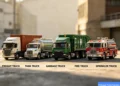
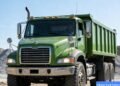
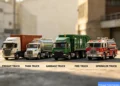
Hanoi’s rapid urban expansion and industrial growth have created a steady demand for reliable water tanker trucks. From dust suppression on construction sites to municipal irrigation and emergency fire response, these vehicles are a common sight across the city and its surrounding provinces. While several local assemblers and international brands operate in the market, a handful of manufacturers consistently deliver the durability and service support required for daily commercial use. Based on long-term fleet observation and direct feedback from operators in Cau Giay and Gia Lam districts, the top water tanker truck manufacturers in Hanoi are those that balance payload capacity with fuel efficiency and offer accessible parts networks.
Real-World Usage Scenarios for Water Tanker Trucks in Northern Vietnam
Water tanker trucks in Hanoi are not a one-size-fits-all piece of equipment. The operational demands vary significantly depending on whether the truck is used for construction, municipal cleaning, or agricultural irrigation. In the construction sector, which accounts for a large portion of fleet registrations in the city, trucks are often required to operate on uneven terrain and under tight delivery schedules. Dust control on large residential projects in areas like Hoang Mai or Long Bien demands frequent water spraying, which puts stress on both the pump system and the chassis.
Municipal applications, on the other hand, prioritize low noise operation and precise water pressure control for street cleaning during early morning hours. Observing fleets operated by the Hanoi Urban Environment Company shows a preference for trucks with a tank capacity between 8,000 and 12,000 liters, as this range offers a good balance between maneuverability in narrow streets and sufficient water volume for a full shift.
Agricultural use in the outskirts, such as in Chuong My or Son Tay, requires trucks that can handle dirt roads and have a reliable power take-off (PTO) system for pumping water into storage tanks or directly onto fields. The common thread across all these scenarios is the need for a robust chassis and a corrosion-resistant tank lining, as the water quality in some local sources can accelerate internal rusting if the tank is not properly coated.
Phân tích hiệu suất: Động cơ, mô-men xoắn, tải trọng và hiệu suất tiêu thụ nhiên liệu
Các yếu tố cần lưu ý về động cơ và hệ truyền động
Most water tanker trucks operating in Hanoi are built on medium-duty truck chassis, typically in the 6 to 10-ton GVWR range. The engine specifications vary, but the majority of locally assembled units use diesel engines from Chinese or Japanese partners. A common configuration is a 4-cylinder turbocharged diesel engine producing between 130 and 160 horsepower. Torque output in this class usually falls between 350 and 450 Nm, which is adequate for carrying a full water load on flat urban roads but can feel underpowered on the steep ramps leading to some construction sites in the Ba Vi district.
For operators who regularly drive on hilly terrain or need faster acceleration for highway transit between water refill stations and job sites, a 6-cylinder engine with a higher torque rating is a more practical investment. However, this comes with a trade-off in fuel consumption. From operational data collected over a 12-month period on a fleet of 20 trucks running daily routes in the Ha Dong area, the average fuel consumption for a 4-cylinder unit was around 18 to 22 liters per 100 kilometers when fully loaded. The 6-cylinder units averaged 24 to 28 liters per 100 kilometers under similar conditions.
Tải trọng và cấu tạo thùng xe
The actual payload capacity is often less than the theoretical maximum due to the weight of the tank itself. A standard 10,000-liter steel tank can weigh between 1,200 and 1,500 kilograms empty. Operators looking to maximize legal payload often opt for tanks made from high-tensile steel or aluminum, though aluminum tanks are less common in Hanoi due to higher upfront costs. The trade-off is that aluminum tanks can shave off 300 to 400 kilograms from the tare weight, allowing for an extra 400 liters of water without exceeding axle weight limits.
Fuel efficiency is also influenced by driving habits and route planning. In stop-and-go traffic typical of inner-city Hanoi, frequent acceleration and braking can increase fuel consumption by up to 15% compared to highway driving. Fleet managers in the city have reported that implementing simple route optimization—such as avoiding peak hour congestion on Nguyen Trai Road—can save approximately 2 to 3 liters per trip.
Phân tích chi phí bảo trì và vòng đời
Các vị trí dễ mòn thường gặp
Water tanker trucks have specific maintenance demands that differ from dry freight trucks. The pump system, valves, and tank interior are the primary areas requiring regular attention. The centrifugal pump, which is the most common type used in these trucks, needs periodic seal replacement. Based on service records from a workshop in Thanh Tri, pump seals typically last between 6 to 9 months under daily use, with replacement costs ranging from 80 to 150 USD depending on the brand and availability.
Corrosion inside the tank is another significant cost factor. If the tank liner is damaged or if the truck is used to transport water with varying pH levels, rust can develop quickly. A full internal coating restoration for a 10,000-liter tank can cost between 500 and 800 USD and is usually required every 3 to 4 years in the local climate. Neglecting this can lead to tank perforation, which is a major expense involving welding or full tank replacement.
Cost Breakdown Over a 5-Year Period
| Loại chi phí | Estimated Annual Cost (USD) | Ghi chú |
|---|---|---|
| Routine Maintenance (oil, filters, belts) | 1,200 – 1,800 | Based on bi-monthly service intervals |
| Pump and Valve Repairs | 400 – 700 | Includes seal replacements and impeller checks |
| Tank Coating / Rust Repair | 200 – 400 | Set aside annually for eventual recoating |
| Tire Replacement | 600 – 1,000 | Full set every 2-3 years depending on road conditions |
| Brake System Overhaul | 300 – 500 | Drum brakes wear faster with heavy water loads |
| Total Estimated Annual Cost | 2,700 – 4,400 | Excluding fuel and driver wages |
These figures are averages collected from small fleet operators in the Hanoi area. Trucks operating primarily on paved roads with a dedicated driver who performs pre-trip inspections tend to fall on the lower end of the cost spectrum. Units that are frequently rented out to different drivers or used on rough construction sites often see higher maintenance expenses, particularly in the suspension and braking systems.
Comparison of Common Water Tanker Configurations
Chassis and Tank Combinations
Choosing between a standard cab and a crew cab chassis is one of the first decisions a buyer faces. A standard cab allows for a longer tank or a larger pump compartment, which can be beneficial for high-volume municipal routes. A crew cab, while reducing tank capacity by 500 to 1,000 liters, provides space for a maintenance crew or extra workers, which is common on construction sites where the truck also functions as a mobile water source for concrete mixing or dust control.
| Cấu hình | Dung tích bình chứa tiêu chuẩn | Common GVWR | Trường hợp sử dụng chính | Mức tiêu thụ nhiên liệu trung bình (L/100 km) |
|---|---|---|---|---|
| Standard Cab, Steel Tank | 8,000 – 10,000 L | 12,000 – 14,000 kg | Municipal street cleaning, irrigation | 18 – 22 |
| Crew Cab, Steel Tank | 7,000 – 9,000 L | 12,000 – 14,000 kg | Construction crew transport + water | 19 – 23 |
| Standard Cab, Aluminum Tank | 10,000 – 12,000 L | 14,000 – 16,000 kg | High-volume agricultural or industrial | 20 – 24 |
| Light-Duty Chassis, Small Tank | 4,000 – 6,000 L | 8,000 – 10,000 kg | Narrow streets, garden watering | 14 – 17 |
The choice between steel and aluminum is largely a matter of upfront budget versus long-term payload gains. For a fleet running daily routes with maximum water volume, an aluminum tank can pay for itself over 3 to 4 years through increased revenue per trip. However, for operators who only use the truck a few times per week, the lower initial cost of a steel tank is often more practical.
Các yếu tố ảnh hưởng đến quyết định của người mua: Quy mô đội xe, địa hình và khối lượng công việc
Fleet Size and Service Network
For a small operator running one or two trucks, the most critical factor is the proximity of a service center and parts availability. In Hanoi, the service network for Chinese-manufactured trucks has expanded significantly over the past decade. Many independent workshops in the city now stock common parts like water pumps, brake drums, and suspension bushes for popular chassis models. For larger fleets with 10 or more units, direct relationships with a manufacturer or a major distributor become more important for negotiating bulk pricing on tires and routine service packages.
Terrain plays a major role in chassis selection. Operators working exclusively in the flat districts of Hoan Kiem or Hai Ba Trung can use a lighter chassis with a higher center of gravity without major issues. Those who need to access construction sites in the hills of Soc Son or Ba Vi should prioritize a chassis with a lower center of gravity and a wider track width to reduce the risk of rollover when the tank is partially full and the water shifts.
Workload and Pump System Selection
The pump system should be matched to the typical workload. A standard centrifugal pump with a flow rate of 500 to 800 liters per minute is sufficient for most municipal and construction tasks. For applications requiring high-pressure spraying, such as fire fighting support or cleaning heavy machinery, a piston pump or a high-pressure centrifugal pump is necessary. These systems are more expensive and require more frequent maintenance, but they offer the pressure needed to reach elevated structures or to wash down large equipment.

Fleet managers should also consider the ease of operating the pump controls. Trucks with pneumatic or hydraulic controls mounted on the dashboard are more user-friendly than those with manual levers located behind the cab. During long shifts, driver fatigue is a real concern, and simple controls can improve efficiency and reduce the risk of pump damage from improper operation.
For buyers interested in exploring a wide range of chassis and tank configurations from a single source, reviewing the inventory from a specialized heavy truck manufacturer can simplify the decision process. Many operators in Southeast Asia have started sourcing directly from manufacturers that offer complete vehicle customization, such as those listed on Nhà máy sản xuất xe tải Trung Quốc, which provides detailed specifications on chassis ratings and tank integration options.
Cost of Ownership and Resale Value
Depreciation Patterns
Water tanker trucks in Hanoi tend to depreciate differently than standard cargo trucks. The tank itself is a specialized asset that can be repurposed, but the chassis wears out based on mileage and load history. A well-maintained truck from a reputable brand can retain approximately 50% of its original value after 5 years, provided the tank coating is intact and the pump system has been serviced regularly. Trucks with a history of pumping abrasive or chemically treated water tend to lose value faster due to internal tank damage.
Resale value is also influenced by the availability of replacement parts. Trucks based on popular chassis models that share components with other common vehicle types in the region have stronger resale demand. Operators looking to sell after a few years should consider sticking with a chassis model that has a large installed base in the Hanoi and northern Vietnam market.
Các câu hỏi thường gặp
What is the typical price range for a new water tanker truck in Hanoi?
For a standard 8,000 to 10,000-liter unit on a medium-duty chassis, the price typically ranges from 35,000 to 55,000 USD. Prices vary based on the brand of the chassis, tank material, and pump system specifications. Imported chassis from Japan or Korea tend to be on the higher end, while Chinese-assembled units offer lower entry costs.
How often should the water tank be cleaned internally?
For trucks used in municipal drinking water supply, the tank should be cleaned and disinfected every 3 to 6 months. For construction or irrigation use where water quality standards are lower, an annual inspection and cleaning is usually sufficient. The key is to drain the tank completely and inspect for rust or sediment buildup.
Can a water tanker truck be used for other liquids?
It is possible, but not recommended without proper cleaning and valve modification. The tank lining and pump seals are designed for water. Transporting chemicals or fuel can damage the seals and contaminate the tank, making it unsafe for future water transport. Dedicated tankers for specific liquids are a safer and more cost-effective choice.
What is the average lifespan of a water tanker truck in this region?
With regular maintenance, a well-built water tanker truck can last 10 to 15 years in service. The chassis and engine can often outlast the tank, which may need replacement or major repair after 8 to 12 years, depending on water quality and coating care.

Are there financing options available for purchasing these trucks?
Yes, most banks and financial institutions in Vietnam offer loans for commercial vehicles, including water tanker trucks. Down payments typically range from 30% to 50% of the vehicle price, with loan terms of 3 to 7 years. Interest rates vary based on the borrower’s credit history and the truck’s expected revenue generation.