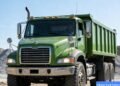
Bringing heavy trucks from China into Nigeria has become a standard procurement route for many fleet operators, but the process still trips up buyers who underestimate the logistics and compliance side. Over the years working with fleets across West Africa, the difference between a smooth import and a costly delay usually comes down to understanding the paperwork, port handling, and the type of truck that actually suits Nigerian road conditions. This guide walks through the practical side of importing heavy trucks from China to Nigeria, from choosing the right chassis to managing the cost of getting it through Lagos ports and onto the highway.
Tổng quan và các tình huống ứng dụng thực tế
Nigerian logistics is a demanding environment where trucks face long distances, heavy rainfall, and overloaded rural routes. In my time observing fleet operations around Apapa and the Onitsha corridor, the trucks that survive are not always the most expensive ones. Chinese heavy trucks have become a common sight because they balance initial purchase price with acceptable maintenance costs for the region. Importing them directly, rather than going through local dealers, is a strategy that many fleet owners use to control capital expenditure.
The real-world usage scenario for these trucks is intense. A typical unit might run from Lagos to Kano twice a week, carrying containers or building materials. That kind of duty cycle demands a robust drivetrain and a cab that can handle heat and dust. When you are importing, you are not just buying a vehicle; you are buying into a support system that will need to source parts locally. Understanding the specific needs of this market, like the preference for manual transmissions and high ground clearance, is essential before you commit to a model.
From a pragmatic standpoint, the import process is not just about the purchase price. It involves freight, insurance, clearing agents, and Nigerian Customs Service (NCS) duties. Many first-time importers are surprised that the cost of getting the truck to Nigeria can add 30–40% to the initial invoice. This aligns with broader industry data on the total cost of ownership in emerging markets, where logistics and import duties represent a significant portion of fleet expenses. For a detailed look at how different configurations handle these conditions, reviewing các giải pháp vận tải đường dài can offer insight into the right specifications.
Phân tích hiệu suất: Động cơ, mô-men xoắn, tải trọng và hiệu suất tiêu thụ nhiên liệu
When evaluating Chinese heavy trucks for the Nigerian market, the performance specs need to be matched to the terrain. The engine is the heart of the matter, and most modern imports are equipped with Weichai, Cummins, or Dongfeng engines. In my experience, the 375–430 horsepower range is the sweet spot for general freight hauling. This power band provides enough torque to move a fully loaded trailer out of the port and up the inclines leading into the northern states.
Torque is where these trucks often surprise buyers. A typical 6×4 tractor unit from a Chinese factory will produce around 1,600–1,800 Nm of torque. This is sufficient for gross combination weights of up to 55 tons, which is common when moving fuel or cement. However, fuel efficiency is a different story. Real-world fleet observation shows that a Chinese tractor unit hauling 40 tons will average between 2.5 and 3.5 kilometers per liter, depending on the route and driver behavior. This is comparable to older European models, but newer Euro-5 Chinese engines are closing the gap.

Payload capacity is another critical factor. The chassis strength and suspension setup determine how much weight you can legally and safely carry. For example, a 6×4 dump truck imported for construction work will have a payload capacity of around 25–30 tons, but exceeding this is common in the field, which leads to higher wear on leaf springs and tires. If you are looking at specific vehicle types for construction, examining Các giải pháp xe công trình hạng nặng can help you match the axle configuration to your typical load.
Engine Technology and Emission Standards
The emission standard of the engine you import matters more than you might think. While Nigeria does not enforce strict emission laws like Europe, the engine technology behind Euro-4 and Euro-5 standards affects fuel quality tolerance. Chinese trucks built for export often come with high-pressure common rail systems that require clean diesel. Using low-quality fuel with high sulfur content can damage injectors and lead to downtime.
From a maintenance standpoint, the simpler the engine, the easier it is to keep running in Nigeria. Many fleet managers I have spoken with prefer mechanically controlled engines for older models, but the new electronic engines offer better fuel economy. The trade-off is that you need a diagnostic tool to service them, which means investing in a good scanner or relying on a workshop that has one. The performance of these engines is reliable, but the support infrastructure in Nigeria is still catching up to the technology.
Phân tích chi phí bảo trì và vòng đời
Owning an imported Chinese truck in Nigeria requires a different maintenance mindset than in the US or Europe. The lifecycle cost is heavily influenced by the availability of spare parts and the skill level of local mechanics. In my experience, Chinese trucks have a distinct advantage here because parts are cheaper and more readily available than for European brands. A full set of brake pads for a Shacman or Sinotruk costs a fraction of what you would pay for a Volvo or Mercedes, which makes the total cost of ownership lower over a five-year period.
Regular maintenance intervals are typically around 10,000 to 15,000 kilometers for oil and filter changes. This is shorter than the 30,000-kilometer intervals common on newer American trucks, but the cost per service is significantly lower. From real-world trucking operations, the average annual maintenance cost for a Chinese heavy truck in Nigeria runs between $3,000 and $5,000, excluding tires. Tires are a major expense, especially on rough roads, and should be budgeted separately.
The lifecycle analysis also shows that depreciation is a critical factor. While a Chinese truck loses value faster than a premium European brand, the initial capital outlay is so much lower that the return on investment is often better for high-mileage operations. If you are running a fleet that covers 150,000 kilometers a year, the lower upfront cost of a Chinese truck allows you to expand your fleet size or invest in other areas of the business. For a deeper dive into the financial aspects of buying, you might find the dump truck price analysis useful for budgeting.
Comparison: Chinese Trucks vs. European and Japanese Used Imports
The decision to import new from China versus buying used from Europe or Japan is a constant debate in the Nigerian market. Used Japanese trucks, like Hino or Isuzu, are popular for their reliability, but they are often older and harder to find parts for. European used trucks, such as MAN or Scania, offer superior comfort and fuel economy, but the maintenance costs can be prohibitive. Chinese new trucks offer a warranty and a fresh start, which is a significant advantage.
The comparison table below illustrates the key differences based on typical market observations and fleet data. It is important to note that these are averages and can vary based on specific models and conditions. The goal is to highlight the trade-offs that a buyer must consider when making a decision.
| Yếu tố | New Chinese Truck | Used European Truck | Used Japanese Truck |
|---|---|---|---|
| Initial Purchase Price (USD) | 45,000 – 60,000 | 35,000 – 70,000 | 25,000 – 40,000 |
| Typical Age (Years) | 0 (New) | 5 – 8 | 8 – 12 |
| Hiệu suất tiêu thụ nhiên liệu (km/l) | 2.8 – 3.2 | 3.0 – 3.5 | 2.5 – 3.0 |
| Chi phí bảo trì hàng năm (USD) | 3,000 – 5,000 | 8,000 – 15,000 | 5,000 – 8,000 |
| Parts Availability in Nigeria | Cao | Trung bình | Thấp |
| Bảo hành | Yes (1-2 years) | No | No |
As the table shows, the initial cost of a new Chinese truck is competitive with a used European model, but the maintenance savings are substantial. The main reason fleets choose Chinese imports is the peace of mind that comes with a new vehicle. In the long run, the reliability of a new truck, combined with lower repair costs, often makes it the more economical choice for heavy-duty applications. For a comprehensive look at the reliability factor, you can check out the insights on what makes a truck reliable.
Total Cost of Ownership Comparison
Looking beyond the sticker price, the total cost of ownership (TCO) over five years is the real measure of value. A new Chinese truck will require more frequent minor repairs in the first year as components settle, but major overhauls are rare. Used trucks, on the other hand, often require immediate investment in tires, brakes, and suspension components upon arrival in Nigeria. This hidden cost is where many importers lose money.
From my analysis of fleet data, the five-year TCO for a new Chinese tractor unit is approximately $180,000, including fuel, maintenance, and depreciation. A comparable used European truck will be around $220,000. The difference is driven by higher parts and labor costs for the European brand. This makes the Chinese option particularly attractive for operators who run high daily mileage and need to keep the truck on the road as much as possible.
Các yếu tố ảnh hưởng đến quyết định của người mua: Quy mô đội xe, địa hình và khối lượng công việc
Choosing the right truck is not just about the brand; it is about the application. For a small fleet owner with one or two trucks, the priority is often simplicity and ease of repair. A manual transmission is preferable over an automated manual transmission (AMT) because it is easier and cheaper to fix. For larger fleets, driver comfort and fuel efficiency become more important, as small gains in fuel economy translate to significant savings across a large fleet.
Terrain is a huge factor in Nigeria. The roads in the south are often wet and congested, while the north has long stretches of arid, high-speed highways. For the southern routes, a 6×4 configuration with good traction is essential. For the northern routes, a 4×2 tractor unit is often sufficient and offers better fuel economy. Understanding where your trucks will operate is the first step in specifying the right vehicle.

Workload dictates the durability requirements. If you are hauling heavy machinery or mining equipment, you need a heavy-duty chassis with reinforced suspension. This is where specialized configurations come into play. For operations that involve moving large volumes of earth or minerals, looking at Giải pháp xe tải cho ngành khai thác mỏ can provide options that are built for extreme stress. The decision should always be based on the specific payload and route profile, not just the purchase price.
Fleet Size and Maintenance Strategy
Fleet size also influences the decision to import directly. A large fleet can afford to keep a dedicated mechanic and a stock of spare parts, making it easier to manage the quirks of a new brand. A small operator, however, may prefer a more common brand like Sinotruk, which has a wide network of parts suppliers in Nigeria. This reduces downtime and makes the import process less risky.
In my experience, the most successful importers are those who build a relationship with the factory or a trusted exporter. They do not just buy a truck; they buy a package that includes documentation, training, and after-sales support. The reliability of the import process is often more important than the truck itself. If you are handling urban delivery or construction debris, the các giải pháp vận chuyển chất thải đô thị page shows how different body types are tailored for specific tasks.
Import Logistics and Nigerian Customs Compliance
The physical act of shipping a truck from China to Nigeria is a multi-step process that requires attention to detail. The most common route is via sea freight from Shanghai or Qingdao to the Apapa port in Lagos. The transit time is usually 30 to 40 days. You will need a reliable freight forwarder who can handle the booking, consolidation, and customs clearance. The cost of shipping a single heavy truck is generally between $3,000 and $6,000, depending on the size and weight.
Nigerian Customs Service (NCS) regulations require specific documentation. This includes the Bill of Lading, Commercial Invoice, Packing List, and a Certificate of Origin. The import duty for heavy trucks is typically around 20–35% of the CIF (Cost, Insurance, and Freight) value, plus a 7% VAT. These rates can change, so it is wise to check the current tariff schedule. Many importers use a clearing agent to navigate these regulations, which adds another 2–3% to the total cost but saves significant time and frustration.
One of the biggest mistakes I see is underestimating the port charges and demurrage fees. If your paperwork is not in order, the truck can sit at the port for weeks, racking up daily storage fees. This can easily add $2,000 to $5,000 to your total cost. To avoid this, ensure your clearing agent is experienced with heavy equipment and has a good relationship with the port authorities. The process is manageable, but it requires a proactive approach to documentation.
Key Documentation and Shipping Timeline
A typical import timeline from China to Nigeria is about 45 to 60 days from the day you pay the deposit to the day the truck is cleared and on the road. The breakdown is roughly 10 days for production and inspection, 35 days for shipping, and 15 days for customs clearance. This timeline is an estimate and can be shorter if you are importing a truck that is already in stock.
To ensure a smooth process, you should prepare the following documents: a valid passport or ID, proof of business registration (CAC certificate), and a Tax Identification Number (TIN). Having these ready in advance speeds up the clearing process. The key is to treat the import process as a project, with clear milestones and responsibilities. If you are new to this, working with a consultant who specializes in nhà sản xuất xe tải Trung Quốc exports can help you avoid common pitfalls.
Financing and Payment Terms for Imported Trucks
Financing an import from China is different from buying locally. Most Chinese factories require a 30% deposit with the balance paid before shipment. This is a standard trade term (T/T) that protects the seller. For large orders, you may be able to negotiate a Letter of Credit (L/C) through a bank, but this is less common for individual buyers. The financial risk is on the buyer, so it is crucial to use a reputable exporter or a platform that offers escrow services.
The total capital required is not just the truck price. You need to factor in shipping, insurance, customs duties, and clearing agent fees. A good rule of thumb is to have an additional 40% of the truck’s purchase price in reserve to cover these ancillary costs. For example, if the truck costs $50,000, you should be prepared to spend a total of $70,000 before it is on the road. This is a common point of confusion for first-time importers.
From a business perspective, the return on investment is strong if you have a guaranteed haulage contract. The lower acquisition cost of a Chinese truck means you can recoup your investment faster than with a premium brand. This is why many Nigerian logistics companies are expanding their fleets with Chinese equipment. The financing strategy should be based on the expected cash flow from the truck’s operations, not just the asset value.

Warranty and After-Sales Support in Nigeria
Warranty coverage is a major selling point for new Chinese trucks. Most factories offer a one-year or 100,000-kilometer warranty, whichever comes first. However, the reality of enforcing this warranty in Nigeria can be challenging. The factory may be willing to send parts, but you will likely have to pay for the labor to install them. This is why it is essential to establish a relationship with a local workshop that is familiar with the brand you are importing.
After-sales support is improving, with many Chinese manufacturers setting up official dealerships in Lagos and Abuja. These dealerships stock genuine parts and have trained technicians. If you are importing directly, you may miss out on some of this support. To mitigate this, many importers buy from a trading company that provides a local warranty service. This adds a small premium to the price but offers peace of mind.
In my experience, the most reliable support comes from the community of owners. Joining a WhatsApp group or a forum for Sinotruk or Shacman owners in Nigeria can be invaluable. You can find advice on where to source parts, which mechanics are trustworthy, and how to fix common issues. This kind of peer support is often more practical than the official channels. For specific models and their reliability, you can refer to the nhà sản xuất xe tải hạng nặng page for technical details.
FAQ: Common Questions About Importing Heavy Trucks from China to Nigeria
Here are the most common questions I encounter from fleet operators and individual buyers regarding this process.
What is the total cost to import a heavy truck from China to Nigeria?
The total cost includes the truck price, shipping (around $4,000), customs duties (20-35% of CIF value), and clearing fees. For a $50,000 truck, you should budget at least $70,000 to get it on the road. This estimate covers all taxes and logistics.
How long does it take to receive a truck after ordering?
The process typically takes 45 to 60 days. This includes 10 days for production, 30-35 days for sea freight, and up to 15 days for customs clearance. Delays are common, so it is wise to build in a buffer.
Is it better to import a new Chinese truck or a used European one?
For high-mileage operations, a new Chinese truck is often better due to lower maintenance costs and warranty coverage. Used European trucks offer comfort but come with higher repair bills. The choice depends on your budget and operational needs.
What is the average fuel consumption for these trucks?
Most Chinese heavy trucks consume between 2.5 and 3.5 kilometers per liter when fully loaded. This is comparable to older European models but slightly less efficient than the newest Euro-6 engines. Driver behavior has a significant impact on fuel economy.
Can I get spare parts easily in Nigeria?
Yes, spare parts for popular brands like Sinotruk and Shacman are widely available in markets like Ladipo and Oshodi in Lagos. Prices are lower than for European brands. However, for specialized parts, you may need to order from China, which takes time.
What documents do I need for Nigerian Customs clearance?
You will need the Bill of Lading, Commercial Invoice, Packing List, and a Certificate of Origin. You also need a CAC business registration and a TIN. A clearing agent can handle this process for you.
Importing heavy trucks from China to Nigeria is a proven strategy for building a competitive fleet in West Africa. The key to success is meticulous planning around logistics and a realistic assessment of your operational costs. While the process involves navigating bureaucracy and shipping delays, the financial benefits are clear for operators who run their trucks hard. The market data and fleet observations consistently show that the lower initial investment and maintenance costs of Chinese trucks provide a faster return on investment, making them a practical choice for the demanding Nigerian transport sector. The future of this trade route looks solid as more manufacturers offer models tailored to African conditions.