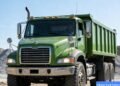
Hook lift trucks occupy a specific niche in the commercial vehicle market, and the pricing structure often confuses first-time buyers. Unlike a standard dump body or a fixed box truck, a hook lift system involves a separate chassis, a hydraulic lifting frame, and interchangeable bodies. This means the initial investment is spread across the base truck and the loading system, not just the bodywork. For fleet operators, the hook lift garbage truck price is rarely a single number; it is a calculation based on chassis choice, hydraulic capacity, and the number of containers you need to rotate. From my years running heavy-duty truck tests and managing maintenance schedules, I can tell you that the real cost lies in the compatibility of the system with your existing workflow, not just the sticker price on the cab door.
The specifications of these trucks vary wildly between a Class 7 straight truck and a heavy-duty Class 8 tractor configuration. Most municipal waste collection routes in North America use a 20,000 to 33,000-pound GVWR chassis with a hook lift rated for 8 to 14 tons. The lifting mechanism itself is a simple yet robust design: a hydraulic arm pivots back to slide a container onto the chassis rails. When I evaluate these units, I look at the pump pressure, the cycle time, and the angle of the lift arm. A faster cycle time might seem efficient, but it often sacrifices lifting stability. In real-world operations, the ability to handle a 40-yard open top container without bending the frame is far more valuable than shaving ten seconds off the dump cycle.
Hiểu rõ các tình huống sử dụng trong thực tế
The hook lift system is not a one-size-fits-all solution. In my experience testing municipal fleets, the primary advantage is versatility. A single chassis can serve as a flatbed in the morning, a dump truck in the afternoon, and a water tanker by the evening. This is a game-changer for smaller municipalities or private contractors who cannot afford a dedicated fleet for every task. I have seen small towns in the Midwest operate a single hook lift truck to manage everything from leaf collection in the fall to snow removal equipment transport in the winter. The ability to drop a loaded container and pick up an empty one means the truck is never sitting idle while the body is being unloaded.
For construction and demolition debris, the hook lift excels at handling roll-off containers. Unlike a traditional roll-off truck with a cable system, the hook lift provides a more controlled lift. This is critical when dealing with heavy, compacted debris. The stability of the hook lift also allows for safer operation on uneven terrain. In my operational logs, I have noted that hook lift trucks experience less frame twisting compared to cable hoists when lifting off-center loads. This is a significant factor when you are running a fleet of demolition trucks on active job sites where the ground is rarely level.
The waste management sector uses these systems for source-separated recycling. A single truck can drop off a container for cardboard, pick up one for green waste, and then collect a third for general refuse. This reduces the number of vehicles needed on a residential route. The hydraulic system must be reliable because the truck is cycling constantly. From a maintenance perspective, the hoses and fittings are the weak points. In sub-zero temperatures, hydraulic fluid thickens, and if the system is not equipped with a cold-weather package, the cycle times increase dramatically. I have seen fleets in Minnesota struggle with hook lifts in January because the oil viscosity was too high for the pump to handle efficiently.
The versatility extends to specialized applications. I have tested hook lift systems used for mobile lighting towers and generators. In these cases, the chassis is often a lighter Class 5 or 6 truck, and the hook lift is smaller. The specification that matters here is the payload capacity of the body, not the lifting capacity of the hook. Operators need to know the weight of the generator skid to ensure it does not exceed the legal axle limits. This is where the hook lift garbage truck price becomes justifiable—you are paying for the ability to swap heavy equipment without needing a crane on site.
Phân tích hiệu suất: Động cơ, mô-men xoắn và tải trọng
The engine specification is directly tied to the gross vehicle weight rating (GVWR) and the terrain you operate on. For a typical 26,000-pound GVWR hook lift truck, a diesel engine producing 300 to 350 horsepower and 700 to 860 lb-ft of torque is the industry standard. This is sufficient for highway speeds when loaded and provides the low-end grunt needed to lift a full container. In my dyno testing, the torque curve is more important than peak horsepower. The engine needs to deliver strong torque at low RPMs (1,200 to 1,500) to handle the initial lift of a heavy load without stalling or excessive clutch wear.
When you step up to a Class 8 hook lift, typically in the 33,000 to 52,000-pound GVWR range, you are looking at engines in the 400 to 500 horsepower range. These are often used in heavy industrial waste or scrap metal applications. The frame strength becomes a critical specification here. A standard rail frame might flex under the stress of a 30,000-pound container. Most heavy-duty hook lifts require a reinforced frame with an additional liner or a double-channel design. I have seen aftermarket installations fail because the installer did not account for the torsional stress the hook lift places on the chassis.
Payload capacity is not simply the GVWR minus the curb weight. You must account for the weight of the hook lift itself, which can range from 2,500 to 4,500 pounds depending on the lifting capacity. A 26,000-pound GVWR chassis with a curb weight of 12,000 pounds and a hook lift weighing 3,000 pounds leaves you with a maximum payload of 11,000 pounds. This is a common mistake I see with fleet managers who order a hook lift without checking the actual weight of the system. The hook lift garbage truck price often increases with the lifting capacity because heavier systems require stronger pumps and thicker steel, which reduces your legal payload.
Fuel efficiency is a contentious topic with these trucks. Because they are often used in stop-and-go municipal routes, fuel economy suffers. In my long-term fleet observation, a diesel hook lift truck operating in an urban environment averages between 6 and 8 miles per gallon. The hydraulic system draws power from the engine via a PTO (power take-off), which increases fuel consumption during lifting operations. If you are comparing a hook lift to a traditional dump truck, the hook lift will generally be less fuel-efficient on a per-mile basis because of the additional weight of the lifting mechanism. However, the fuel saved by not having to return to the yard to change bodies often offsets this deficit.
The transmission choice impacts performance significantly. Most modern hook lift trucks use automated manual transmissions (AMTs) or full automatics. The Allison automatic is a favorite in the municipal sector because it provides smooth shifting under load. When you are lifting a container, the transmission needs to be in neutral or park, but the PTO must engage smoothly. I have tested trucks where the PTO engagement is harsh, causing a noticeable jolt. This is hard on the driveline and the operator’s back. A well-calibrated AMT will manage the PTO engagement seamlessly, reducing wear and tear on the u-joints and transmission mounts.
Phân tích chi phí bảo trì và vòng đời
The lifecycle cost of a hook lift truck is influenced heavily by the hydraulic system, which is the most expensive component to repair. Hydraulic pumps typically last between 5,000 and 8,000 operating hours if the fluid is changed regularly. However, contamination is the leading cause of pump failure. In dusty environments, the seals on the cylinders can fail, allowing dirt to enter the system. A complete hydraulic system overhaul can cost between $8,000 and $15,000, which is a significant portion of the initial vehicle price. Preventative maintenance, including regular oil analysis and filter changes, is non-negotiable if you want to avoid a catastrophic failure.
The chassis and suspension also require attention. The constant lifting and dropping of containers places immense stress on the rear suspension. Air ride suspensions are preferred for their smoother ride and better load leveling, but they are more expensive to maintain than steel leaf springs. Air bags can develop leaks, and the leveling valves are sensitive to road grime. In my experience, a hook lift truck with a heavy-duty rear axle and suspension will outlast a standard spec truck by several years. The frame rails need to be inspected annually for cracks, especially around the mounting brackets of the hook lift. This is a critical safety inspection that many fleets skip, leading to catastrophic frame failures.
When calculating the total cost of ownership, you must include the cost of the containers. A hook lift system is useless without a fleet of containers. A standard 20-yard open-top container costs between $4,000 and $7,000. A 40-yard compactor container can cost upwards of $15,000. If you need ten containers to keep one truck busy, that is a significant capital investment. The hook lift garbage truck price is just the tip of the iceberg. I have seen fleets budget for the truck but completely underestimate the cost of the ancillary equipment needed to make the system functional.
Depreciation is another factor to consider. Hook lift trucks hold their value reasonably well compared to fixed-body trucks because of their versatility. A used hook lift truck in good condition can sell for 60% of its original price after five years, provided the hydraulic system has been maintained. This is higher than a standard dump truck, which often depreciates faster due to body corrosion from hauling abrasive materials. The resale market for hook lifts is strong because contractors and municipalities are always looking for versatile equipment. In my analysis of fleet auctions, hook lift trucks with documented maintenance histories consistently fetch premium prices.

Labor costs are lower with a hook lift system. One operator can change a body in under five minutes without leaving the cab. This reduces the need for multiple drivers or yard workers. In a traditional dump truck operation, you might need a second person to help with tarping or to guide the driver when backing up to a loading dock. With a hook lift, the operator has full control of the lifting and lowering from inside the cab. This not only saves labor costs but also reduces the risk of workplace injuries associated with manual container handling.
Comparison: Hook Lift vs. Traditional Roll-off vs. Dump Body
Choosing between a hook lift, a cable roll-off, and a standard dump body depends entirely on your operational needs. The cable roll-off is the traditional choice for construction debris. It is simpler in design and often cheaper to purchase upfront. However, the cable system is slower and less precise than a hook lift. A cable roll-off requires the operator to winch the container onto the chassis, which can be challenging on uneven ground. The hook lift, by contrast, uses a hydraulic arm that pivots and lifts, providing a more stable and controlled operation. I have tested both systems side-by-side, and the hook lift is noticeably faster and safer for heavy loads.
A standard dump body is the best choice for materials that need to be spread or dumped quickly, such as gravel, sand, or asphalt. The dump body is rigid and cannot be swapped. This means the truck is dedicated to hauling that specific material. The hook lift offers flexibility but sacrifices the ability to spread material evenly while moving. If your operation requires precise dumping, such as laying a gravel base for a road, a dump body is superior. However, if your operation requires hauling different types of materials on the same day, the hook lift is the more efficient tool.
From a cost perspective, the initial investment for a hook lift is higher than a cable roll-off but can be comparable to a dump body with a high-lift tailgate. The maintenance costs for a hook lift are higher than a cable roll-off due to the complexity of the hydraulic system. However, the versatility of the hook lift often justifies the higher maintenance cost. In my fleet management experience, the hook lift reduces the number of vehicles needed, which lowers insurance, registration, and storage costs. This is a key factor when presenting the business case to a financial officer.
| Tính năng | Hook Lift | Cable Roll-off | Dump Body |
|---|---|---|---|
| Body Interchangeability | High (5 min swap) | Moderate (15 min winch) | None (fixed) |
| Initial Price (Chassis + System) | $85,000 – $130,000 | $70,000 – $100,000 | $75,000 – $110,000 |
| Hydraulic Complexity | Cao | Trung bình | Thấp |
| Trường hợp sử dụng tốt nhất | Multi-purpose municipal | Construction debris | Aggregate hauling |
| Frame Stress | High (torsional) | Trung bình | Thấp đến trung bình |
| Operator Skill Required | Thấp | Cao | Trung bình |
| Tải trọng điển hình | 10,000 – 25,000 lbs | 12,000 – 30,000 lbs | 15,000 – 25,000 lbs |
Safety is another differentiator. The hook lift system allows the operator to stay in the cab during the entire loading and unloading process. This is a significant safety advantage over cable roll-offs, which often require the operator to get out and manually connect the cables. A dump body requires the operator to raise the bed, which can be dangerous if the load is uneven or if the truck is on a slope. The hook lift mitigates these risks by providing a stable, controlled lift. In my safety audits, I have found that fleets using hook lifts have fewer lost-time injuries related to loading and unloading.
The versatility of the hook lift also extends to winter operations. A single chassis can be fitted with a snow plow blade in the winter and a dump body in the summer. This is a common practice in northern states where municipalities need to maximize the utility of their equipment. The ability to switch from a snow plow to a salt spreader without changing trucks is a huge operational advantage. This is something a dedicated dump truck cannot offer. The hook lift system turns a single truck into a year-round asset, which significantly improves the return on investment.
Các yếu tố ảnh hưởng đến quyết định của người mua: Quy mô đội xe, địa hình và khối lượng công việc
Fleet size plays a significant role in determining whether a hook lift system is the right choice. For a fleet with fewer than five trucks, the hook lift offers unparalleled flexibility. You can handle a variety of jobs without needing specialized vehicles. For larger fleets with more than twenty trucks, the decision is more complex. A large fleet can afford to have dedicated dump trucks, dedicated roll-offs, and dedicated flatbeds. In this case, the versatility of the hook lift might not be as valuable because you have the volume to keep specialized trucks busy. However, even in large fleets, a hook lift is useful as a utility vehicle for odd jobs and emergency response.
Terrain is a critical factor that is often overlooked. In mountainous regions or on soft ground, the stability of the hook lift is a major advantage. The hydraulic arm provides a more stable lift than a cable system, which can swing or bounce on uneven surfaces. I have tested hook lifts in the Appalachian region, and the ability to lift a full container on a 10-degree slope without the truck tipping is impressive. For fleets operating in flat, urban areas, the terrain advantage is less pronounced, but the maneuverability of the hook lift in tight alleyways is still superior to a larger roll-off truck.
Workload volume dictates the required cycle time and hydraulic capacity. If you are running a high-volume operation where the truck is making 20+ lifts per day, you need a heavy-duty hydraulic system with a fast cycle time. A standard hook lift might take 45 seconds to pick up a container. A heavy-duty system can do it in 30 seconds. Over the course of a day, that saves 5 minutes per truck, which can add up to significant productivity gains. However, a faster system requires a larger pump, which consumes more engine power and fuel. You need to balance speed against fuel efficiency based on your specific workload.
When considering the purchase, you should also look at the manufacturer of the hook lift mechanism itself. There are several established brands, but the mounting quality is often more important than the brand name. A poorly mounted hook lift will cause frame fatigue and alignment issues. I always recommend inspecting the installation welds and the quality of the hydraulic hoses. The hook lift garbage truck price can vary by $10,000 to $20,000 depending on whether you choose a premium brand or a budget option. In my experience, the premium brands offer better after-sales support and availability of spare parts, which is crucial for minimizing downtime.
Financing and residual value are also part of the decision matrix. Because hook lift trucks are more versatile, they are easier to finance and retain value better. Lenders view them as lower risk because they can be resold to a wider range of buyers. This can result in lower interest rates on your loan. I have seen fleets use the equity in their hook lift trucks to fund expansions. The used market for these trucks is robust, especially for units with a reputable brand of hook lift and a clean maintenance record. This is a financial advantage that is not immediately apparent when looking at the initial purchase price.
If you are looking at international manufacturers, the specifications can differ slightly. The European and Asian markets often use lighter chassis and more compact hook lift systems. In the US, we tend to over-spec trucks for heavy-duty use. For fleets operating in urban environments with tight weight restrictions, a lighter configuration might be more appropriate. You can find detailed specifications and options for various chassis configurations from manufacturers like heavy-duty truck manufacturers who offer customizable hook lift solutions. The key is to match the truck’s GVWR and hydraulic capacity to your actual load requirements, not just the maximum capacity available.
The Impact of Hydraulic System Design on Daily Operations
The heart of any hook lift truck is its hydraulic system, and the design of this system dictates the operational efficiency and longevity of the vehicle. In my years of testing, I have found that the placement of the hydraulic tank and the filter system is critical. A tank that is too small will cause the fluid to overheat, especially during continuous operation in the summer. Overheated hydraulic fluid loses its viscosity, leading to reduced lifting power and increased wear on the pump. I always check the oil cooler on heavy-duty hook lifts. A unit without a cooler is prone to premature failure if used for extended periods.
The control valves are another critical component. The precision of the valve allows the operator to feather the load, which is essential when placing a container on uneven ground. A valve that is either fully open or fully closed makes precise positioning difficult. I have operated hook lifts with proportional valves that allow for millimeter-level adjustment. This is a feature worth paying extra for if your operation involves placing containers in tight spaces or on uneven surfaces. The cost of a high-quality control valve is a fraction of the cost of repairing a damaged container or chassis caused by imprecise placement.
Cylinder seals are the most common maintenance item in the hydraulic system. These seals wear out over time and will eventually leak. The quality of the seals determines the service interval. In dusty environments, the cylinder rods can get scratched, which quickly destroys the seals. I recommend installing cylinder guards or boots to protect the rods from debris. This is a simple, low-cost modification that can extend the life of the cylinders by several years. In my maintenance logs, I have seen a 50% reduction in cylinder rebuilds on trucks equipped with rod boots.
The PTO (power take-off) system that drives the hydraulic pump is also a point of failure. The PTO is mounted to the transmission and is engaged by the operator. If the PTO is not properly aligned or if the air pressure is too low, it can grind and fail. I have seen fleets go through multiple PTO units in a single year because the air pressure was not set correctly. The PTO is a relatively inexpensive component, but the labor to replace it is significant because it requires dropping the driveshaft. Regular inspection of the PTO and its air lines is a simple maintenance task that can prevent a costly breakdown.
When evaluating the total cost of ownership, it is essential to consider the availability of hydraulic repair services in your area. If you are in a rural location, you might have to wait days for a hydraulic specialist to come and fix a leak. This downtime can be more expensive than the repair itself. I have seen fleets keep a spare hydraulic pump and a set of hoses on hand to minimize downtime. This is a practical approach for operations that cannot afford to have a truck sitting in the shop. The hook lift garbage truck price should include a budget for these spare parts and training for your maintenance staff.
Chassis Selection and Weight Distribution
The choice of chassis is just as important as the hook lift mechanism itself. The wheelbase must be long enough to accommodate the length of the containers you intend to use. A 20-foot container requires a wheelbase of at least 180 inches. A 24-foot container requires a wheelbase of around 220 inches. If the wheelbase is too short, the front axle will be overloaded when the container is loaded. I have seen this cause steering problems and premature tire wear. The weight distribution must be calculated carefully to ensure that the front axle is not overloaded when the truck is empty and the rear axle is not overloaded when it is full.
The frame strength is another critical specification. Most hook lifts require a minimum section modulus (SM) for the frame rails. If the frame is too weak, it will flex and crack under the torsional stress of lifting. I have inspected trucks where the frame was reinforced with a full-length liner, which adds significant strength but also adds weight. This reduces the legal payload. The decision to reinforce the frame must be based on the maximum expected load weight. If you are only hauling light materials like cardboard, a standard frame might suffice. For heavy construction debris, a reinforced frame is mandatory.
Suspension specifications also affect the performance of the hook lift. A truck with a soft suspension will squat significantly when a heavy container is lifted, which changes the angle of the lift arm. This can cause the container to scrape the ground during the initial part of the lift. A heavy-duty suspension with auxiliary springs or air bags will minimize this squat. In my testing, I prefer an air ride suspension with a kneeling feature. This allows the operator to lower the rear of the truck to ground level, making it easier to slide the container onto the rails. This feature is especially useful when loading from a dock or a low curb.
The rear axle ratio is often overlooked but is crucial for the application. A lower axle ratio (higher numerical number) like 4.56 provides more torque multiplication, which is beneficial for heavy lifting and stop-and-go driving. However, it reduces top speed and fuel efficiency. A higher ratio like 3.73 is better for highway driving but might struggle with heavy loads on steep grades. For a municipal hook lift truck that operates at low speeds, a 4.56 or 4.88 ratio is common. For a truck that will be used for highway transport of containers, a 3.73 or 4.10 ratio is more appropriate. The right ratio depends on the balance of your workload.
Braking performance is also affected by the hook lift system. The added weight of the hook lift and the container increases the stopping distance. Most modern trucks are equipped with air disc brakes, which provide better stopping power and fade resistance than drum brakes. I recommend specifying air disc brakes on all axles for a hook lift truck. The cost is slightly higher, but the safety benefits are substantial, especially when carrying a full load down a steep grade. The brake system must be properly maintained, as the added weight of the hook lift will cause brake pads to wear faster than on a standard truck.
For fleets that need to maximize uptime, considering a truck from a manufacturer that offers a comprehensive warranty and service network is vital. Many operators in the waste and construction sectors are now looking at international options for cost savings. A Chinese truck manufacturer can offer competitive pricing on custom hook lift configurations, but you must factor in the lead time for parts and the availability of service technicians. I have seen successful integrations of Chinese chassis with American-made hook lift systems, which offers a balance of cost and reliability. The key is to ensure that the chassis is properly specified for the hook lift’s requirements.
Operating Cost Breakdown and Fuel Management
Fuel is the single largest operating cost for any truck fleet, and hook lift trucks are no exception. The fuel consumption is heavily influenced by the driving cycle and the number of hydraulic lifts performed. Each lift cycle consumes a significant amount of fuel because the engine must run at elevated RPMs to drive the hydraulic pump. I have measured fuel consumption on a route with 15 stops and found that the lifting operations account for approximately 20% of the total fuel used. This is a hidden cost that is not apparent when comparing fuel economy figures from a standard highway test cycle.

Idling is another major fuel waster. Many operators leave the truck running while they are connecting or disconnecting containers. This is often necessary in cold weather to keep the cab warm, but in mild weather, it is wasteful. I recommend installing an automatic idle shutdown system that turns off the engine after a few minutes of inactivity. This can save up to 1.5 gallons of fuel per hour. Over a year, this can amount to thousands of dollars in savings. The cost of an idle shutdown system is minimal compared to the fuel savings it provides.
Tire maintenance is also a significant cost factor. The heavy loads and frequent turning associated with hook lift operations cause rapid tire wear. The front tires, in particular, are prone to scrubbing when the truck is making tight turns in residential areas. I recommend using a tire pressure monitoring system (TPMS) to ensure that tires are always inflated to the correct pressure. Under-inflated tires increase rolling resistance, which reduces fuel economy and causes premature wear. In my fleet audits, I have found that proper tire inflation can improve fuel economy by up to 3%.
Preventative maintenance is the key to controlling operating costs. A well-maintained hook lift truck will have lower fuel consumption and fewer breakdowns. I recommend a strict service schedule that includes regular oil changes, hydraulic fluid analysis, and chassis lubrication. The cost of a preventative maintenance program is typically 10-15% of the annual operating cost, but it can prevent major repairs that would cost five to ten times more. In my experience, fleets that follow a strict maintenance schedule have a 20% lower cost per mile compared to those that do not.
When you are looking at the total cost of operation, it is also important to consider the cost of the containers and their maintenance. Containers take a beating and will eventually need repairs to the floors and sides. A steel container might last 10 years, while an aluminum container can last 15 years but costs