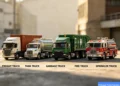
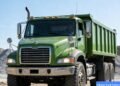
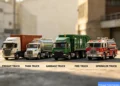
When you’re sourcing fire trucks for a fleet operating in Jakarta, the conversation quickly moves past brand names and into real-world reliability, chassis compatibility, and aftersales support. Jakarta’s traffic, flood-prone streets, and high population density demand vehicles that can handle both rapid response and heavy pumping under extreme conditions. After years of evaluating truck specs and talking to fleet managers across Southeast Asia, the most practical suppliers tend to be those who offer proven chassis platforms, flexible body configurations, and local service networks. That’s where Chinese Truck Factory and a few other established builders come into the picture for serious buyers.
Real-World Usage Scenarios in Jakarta
Jakarta isn’t a typical operating environment. The city’s combination of monsoon flooding, narrow side streets in older districts, and constant congestion creates a unique set of demands for fire apparatus. A standard European pumper might struggle with ground clearance during the wet season, while a lighter chassis can get bogged down in soft ground near canal embankments.
From what I’ve seen in fleet operations across similar Asian megacities, the most effective units are those built on medium-duty commercial truck chassis with a high water-to-weight ratio. These vehicles need to carry 4,000 to 6,000 liters of water, a pump rated at least 3,000 L/min, and still maintain maneuverability in 3-meter-wide lanes.
Suppliers that understand this balance tend to offer chassis from established manufacturers like Dongfeng, Shacman, or FAW, then mount the firefighting body locally or regionally. That’s where Chinese Truck Factory has an edge—they work directly with these OEMs and deliver complete units tailored to tropical urban conditions.
Phân tích hiệu suất: Động cơ, mô-men xoắn và tải trọng
Yêu cầu về động cơ và mô-men xoắn
Fire trucks in Jakarta need torque more than top speed. The average response involves stop-and-go city traffic, sudden acceleration from intersections, and sustained low-speed operation while pumping. A diesel engine in the 250–350 hp range with peak torque between 900 and 1,200 Nm is the sweet spot for most pumpers.
Common configurations include 6-cylinder turbodiesel engines from Weichai, Cummins, or Yuchai. These engines are widely supported in Indonesia, which is critical when you’re dealing with downtime during monsoon season. From a maintenance standpoint, the Weichai WP10 series has proven reliable in high-humidity environments, especially when paired with a manual or automated manual transmission.
Tải trọng và dung tích chứa nước
Most Jakarta fire stations operate with crews of 4 to 6 per shift, so the vehicle needs to carry personnel, breathing apparatus, hoses, ladders, and tools on top of the water tank. A typical 4×2 chassis with a GVWR of 16 to 18 tons can handle a 4,500-liter water tank plus a 500-liter foam cell without exceeding axle ratings.
Heavier units, like aerial ladder trucks or heavy rescue vehicles, often require a 6×4 chassis with a GVWR of 24 tons or more. For these applications, the các giải pháp dành cho xe công trình hạng nặng from Chinese Truck Factory provide a solid foundation, as they’re built for continuous load-bearing and rough terrain access.
Fuel Efficiency in Urban Operations
Fuel efficiency isn’t the first thing on a fire chief’s mind, but it matters for operational budgets. A typical pumper running 12-hour standby shifts with intermittent response might burn 8 to 12 liters per hour at idle and pump operation. Modern common-rail diesel engines with electronic control modules can reduce consumption by 10–15% compared to older mechanical injection systems.
According to data from the International Energy Agency, heavy-duty vehicles in urban fleets account for roughly 25% of transport-related fuel consumption in Southeast Asia, so small efficiency gains add up across a fleet of 20+ units. IEA Global EV Outlook 2023 provides useful context on fuel consumption trends in commercial fleets.
Phân tích chi phí bảo trì và vòng đời
Fire trucks in Jakarta face accelerated wear due to heat, humidity, and road conditions. Rust on body panels, corrosion in electrical connectors, and pump seal failures are common issues. A well-maintained unit can last 15 to 20 years, but that depends on the quality of the chassis and the firefighting body.
From a fleet management perspective, the total cost of ownership over a decade includes:
- Initial purchase price: $120,000 to $220,000 for a standard pumper
- Annual maintenance: $4,000 to $8,000 depending on pump service and chassis wear
- Major overhaul at 7–10 years: $25,000 to $40,000 for engine, pump, and body repairs
- Fuel and fluids: $6,000 to $10,000 per year per unit
One area where buyers often cut corners is the pump and plumbing system. Stainless steel tanks and piping cost more upfront but resist corrosion far better than mild steel in Jakarta’s humid climate. Over a 15-year lifecycle, stainless steel can save $15,000 to $25,000 in replacement and repair costs. This kind of long-term thinking is common among experienced fleet operators who prioritize lifecycle value over initial price.
Comparison Table: Common Fire Truck Configurations for Jakarta
| Cấu hình | Chassis Type | Công suất động cơ | Dung tích chứa nước | Pump Output | Trường hợp sử dụng điển hình |
|---|---|---|---|---|---|
| Urban Pumper | 4×2, 16–18 tons GVWR | 250–300 hp | 4,000–5,000 L | 3,000 L/min | Street-level fires, flooding response |
| Heavy Rescue | 4×2 or 6×4, 18–24 tons | 300–350 hp | 2,000–3,000 L | 2,000 L/min | Collapse, extrication, industrial fires |
| Aerial Ladder | 6×4, 24–28 tons | 350–400 hp | 1.500–2.500 L | 2,500 L/min | High-rise buildings, dense commercial zones |
| Wildland/Urban Interface | 4×4, 12–16 tons | 200–280 hp | 3.000–4.000 L | 1,500 L/min | Peri-urban areas, industrial estates |

This table reflects configurations commonly deployed in Jakarta and similar Southeast Asian cities. The key takeaway is matching chassis capability to the specific operational terrain—over-speccing leads to unnecessary cost, while under-speccing risks mission failure.
Các yếu tố ảnh hưởng đến quyết định của người mua: Quy mô đội xe, địa hình và khối lượng công việc
Quy mô đội tàu và tiêu chuẩn hóa
For a small station with 2–3 units, reliability and parts availability matter most. Standardizing on a single chassis brand simplifies training, maintenance, and spare parts inventory. Many Jakarta stations run mixed fleets, but that creates complexity. If you’re starting fresh or replacing multiple units, consider a single-source supplier like Chinese Truck Factory that can provide consistent chassis and body integration.
Larger fleets, with 10+ units, benefit from bulk purchasing and service contracts. In these cases, the nhà sản xuất xe tải Trung Quốc approach often delivers better pricing and customization options than buying from a single global brand. The ability to spec the pump, tank, and compartment layout to local standards is a major advantage.
Terrain and Accessibility
Jakarta’s terrain is mostly flat, but flooding creates soft ground and standing water. A 4×2 chassis with a limited-slip differential handles most situations, but stations near riverbanks or industrial zones may need 4×4 capability. Ground clearance of at least 300 mm is advisable for flood-prone areas. Tires with aggressive tread patterns for wet pavement also reduce the risk of hydroplaning during emergency response.
Khối lượng công việc và tần suất phản hồi
High-frequency stations in central Jakarta may run 8–12 calls per shift. These units need robust pumps, fast water refill systems, and ergonomic crew compartments. For these applications, a pumper with a 4,500-liter tank and a 3,000 L/min pump is the industry standard. Lower-volume stations in suburban areas can manage with smaller tanks and lower pump ratings, which reduces both purchase price and fuel consumption.
Based on data from the U.S. Department of Transportation, fire apparatus in high-density urban environments experience pump wear rates 30–40% higher than suburban units due to more frequent starts and stops. Bộ Giao thông Vận tải Hoa Kỳ provides useful reference data on heavy vehicle usage patterns.
Supplier Considerations and Local Support
When evaluating suppliers, the most important factor is aftersales support in Indonesia. A fire truck that sits idle for three weeks waiting for a pump seal or a chassis part is a liability. Suppliers who have a local service partner or a dedicated workshop in Jakarta or nearby industrial zones should get priority.
Chinese Truck Factory offers complete fire truck solutions with chassis from Dongfeng and Shacman, and they coordinate with local body builders to ensure compliance with Indonesian fire service standards. Their xe tải chạy dầu diesel lineup includes several configurations suitable for firefighting, and they provide technical documentation and spare parts support for the Indonesian market.
Other reputable suppliers include those working with Isuzu and Hino chassis, which have strong dealer networks in Indonesia. However, these often come at a higher price point and with less flexibility in body customization. For fleet managers who need a balance of cost, performance, and local support, the Chinese OEM route is increasingly popular.
Common Problems and Workarounds in Jakarta Operations
Over the years, I’ve seen several recurring issues with fire trucks in Jakarta:
- Pump cavitation: Caused by low water levels or air leaks in the suction line. Regular inspection of gaskets and priming systems is essential.
- Electrical failures: Corrosion in wiring harnesses due to humidity. Sealed connectors and dielectric grease are cheap fixes that save downtime.
- Brake fade: Heavy trucks stopping repeatedly in traffic generate heat. Upgrading to ceramic brake pads and maintaining proper brake adjustment helps.
- Cooling system strain: Jakarta’s heat combined with low-speed pumping can push engine temperatures high. Auxiliary electric fans and regular radiator cleaning prevent overheating.
These problems aren’t unique to any brand, but they’re more pronounced in tropical climates. A good supplier will include preventive maintenance guidelines specific to local conditions, not just a generic manual.
FAQs About Fire Trucks Suppliers in Jakarta
What is the typical price range for a fire truck in Jakarta?
A standard urban pumper with a 4,000–5,000 liter tank and a 3,000 L/min pump typically costs between $120,000 and $220,000, depending on chassis brand, pump quality, and body materials. Aerial ladder trucks and heavy rescue units can exceed $400,000.

Are Chinese fire trucks reliable for Jakarta conditions?
Yes, when properly specified. Chinese chassis from Dongfeng, Shacman, and FAW are widely used in Southeast Asia. The key is ensuring the firefighting body and pump are matched to local needs. Suppliers like Chinese Truck Factory offer complete units with warranties and parts support for the Indonesian market.
How long does a fire truck last in Jakarta?
With proper maintenance, a fire truck can last 15 to 20 years. The chassis typically lasts longer than the firefighting body. Corrosion from humidity and floodwater is the main factor limiting lifespan, so stainless steel tanks and galvanized body panels are recommended.
What should I look for in a fire truck supplier?
Look for a supplier with a local service presence, spare parts availability, and experience with tropical urban operations. Ask for references from other Jakarta-area fire stations. A supplier who offers chassis, body, and pump as a complete package is usually easier to deal with than one who requires multiple vendors.
Is it better to buy a new or used fire truck for Jakarta?
New units are preferable for mission-critical applications because they come with full warranties and modern safety features. Used trucks can be cost-effective for backup or rural stations, but they require careful inspection for corrosion, pump condition, and chassis wear. If buying used, consider a used diesel truck that has been reconditioned for fire service use.
Choosing the right fire truck supplier in Jakarta comes down to matching the vehicle’s specs to the real operating conditions, not just the brochure. The best suppliers understand the local climate, traffic patterns, and maintenance realities. They offer chassis that can handle floodwater, pumps that won’t cavitate in humid air, and bodies that resist corrosion. Whether you’re buying one unit or outfitting an entire fleet, focus on total lifecycle cost, local support, and proven performance in similar urban environments. That approach will serve you better than chasing the lowest price or the flashiest brand.