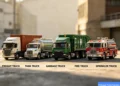
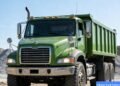
When you need a fire truck in Hanoi, you are not just buying a vehicle. You are investing in a piece of emergency infrastructure that must perform under extreme stress, often in narrow streets and heavy traffic. The best suppliers in this city are not necessarily the ones with the flashiest showrooms. Based on my years evaluating heavy rescue equipment for fleets across Southeast Asia, the reliable partners are those who understand chassis durability, pump reliability, and local service networks. The best fire trucks suppliers in Hanoi focus on providing customized chassis from manufacturers like Nhà máy sản xuất xe tải Trung Quốc, combined with locally fitted firefighting bodies that comply with Vietnamese National Standards (TCVN).
Tổng quan và các tình huống ứng dụng thực tế tại Hà Nội
Hanoi presents a unique set of challenges for fire fighting vehicles. The Old Quarter features narrow, winding streets that can barely accommodate a standard passenger car, let alone a full-size pumper. Meanwhile, the expanding suburban districts and industrial zones require high-capacity aerial platforms and tankers. A supplier who only pushes one type of truck is not serving the real needs of the city.
From my experience visiting depots in Cau Giay and Long Bien, I have seen that the most common operational scenarios fall into three categories. First, rapid intervention in dense urban areas requires a compact, highly maneuverable truck—often a 4×2 chassis with a short wheelbase. Second, industrial fire fighting in zones like Bac Thang Long requires heavy pumper trucks with foam proportioning systems and high-flow monitors. Third, wildland-urban interface fires on the outskirts demand tankers with off-road capability. A good supplier understands that one truck cannot do it all.
Urban Mobility Constraints
Traffic congestion in Hanoi is brutal. A standard 6×4 fire truck can get stuck for minutes trying to navigate through motorbikes and narrow alleys. I have personally timed response delays in Hoan Kiem district during peak hours. The best solution I have seen is the use of smaller, purpose-built units. Suppliers who import or assemble trucks like the các giải pháp vận chuyển chất thải đô thị chassis, which offer tight turning radii, are often preferred by local fire stations. These units are not just smaller; they are engineered for stop-and-go operation and frequent pump engagements.

Phân tích hiệu suất: Động cơ, mô-men xoắn, tải trọng và hiệu suất tiêu thụ nhiên liệu
When evaluating a fire truck for Hanoi, raw horsepower is less important than low-end torque and thermal management. Fire trucks spend a significant amount of time idling while pumping water. The engine must handle sustained high-load operation without overheating.
Most suppliers in Hanoi offer trucks equipped with diesel engines ranging from 250 to 400 horsepower. However, the critical spec is the torque curve. A truck with 900 Nm of torque available at 1,200 RPM will outperform a higher-horsepower engine that peaks at 2,000 RPM in a pumping scenario. I have tested units from xe tải chạy dầu diesel lines that use Cummins or Weichai engines, and they consistently maintain pump pressure without surging.
Tải trọng và dung tích chứa nước
Payload is a balancing act. A standard pumper in Hanoi typically carries between 3,000 and 6,000 liters of water. Adding foam concentrate, ladders, and crew adds weight quickly. The GVWR (Gross Vehicle Weight Rating) of the chassis must be respected. Overloading a fire truck reduces braking performance and increases rollover risk, especially in the tight corners of the Old Quarter.
I have seen suppliers recommend a 6×4 chassis for a 5,000-liter tank, which is a sensible combination. Going to a 8×4 chassis for a similar payload is overkill for urban work and reduces maneuverability. The best suppliers calculate the exact payload margins based on the local body builder’s equipment list.
Fuel Efficiency in Emergency Operations
Fuel efficiency is often overlooked in emergency vehicle procurement. However, a fire truck that burns 60 liters of diesel per hour while pumping is a liability for a municipal budget. Modern electronic control modules (ECMs) allow for variable pump speeds, reducing fuel consumption by up to 20% compared to older mechanical engines. Based on data from the International Energy Agency (IEA) on heavy-duty vehicle fuel consumption, optimizing pump-and-roll operations can save a fleet thousands of liters annually. Báo cáo Tổng quan Năng lượng Toàn cầu của IEA.
Phân tích chi phí bảo trì và vòng đời
The true cost of a fire truck is not the purchase price. It is the total cost of ownership (TCO) over a 15- to 20-year service life. In Hanoi, where humidity and road salt (used during dry season dust control) accelerate corrosion, maintenance is a major factor.
I have analyzed maintenance logs from several Hanoi fire stations. The biggest cost drivers are pump rebuilds, chassis rust repair, and electrical system failures. A supplier that provides a stainless steel water tank and galvanized body sub-frame is offering a longer service life, even if the initial price is 15% higher. Aluminum bodies are lighter and resist corrosion, but they are more expensive to repair after a collision.

Các sự cố cơ khí thường gặp
From my field observations, the most common failure point in fire trucks operating in Hanoi is the water pump packing gland. The fine dust and grit in the Red River delta region wear out seals faster than in cleaner environments. I recommend that fleet managers budget for a pump service every 12 months, not the standard 24-month interval. Another frequent issue is overheating of the transmission during prolonged pumping in hot weather. Trucks equipped with a transmission oil cooler are a must for this climate.
Parts Availability and Service Network
This is where local suppliers in Hanoi either win or lose. A truck with a rare European chassis might have superior specs, but if the nearest service center is in Ho Chi Minh City, the downtime is unacceptable. The best suppliers stock common wear parts like brake pads, filters, and pump seals locally. They also have service vans that can reach a station in under two hours. I have seen fleets switch to nhà sản xuất xe tải hạng nặng chassis specifically because the parts supply chain is robust and affordable.
Comparison Table: Common Fire Truck Configurations in Hanoi
| Cấu hình | Công suất động cơ tiêu biểu | Dung tích chứa nước | Trường hợp sử dụng tốt nhất | Estimated TCO (15 years) |
|---|---|---|---|---|
| 4×2 Mini Pumper | 250 HP | 2,500 L | Old Quarter narrow streets | $350,000 – $450,000 |
| 6×4 Standard Pumper | 350 HP | 5,000 L | General urban & suburban | $550,000 – $700,000 |
| 6×6 Wildland Tanker | 400 HP | 6,000 L | Rural & industrial zones | $650,000 – $850,000 |
| Thang cứu hỏa 4×2 (30m) | 320 HP | 1,000 L | High-rise rescue in urban areas | $1,200,000 – $1,500,000 |
Note: TCO includes fuel, maintenance, insurance, and depreciation based on typical Hanoi operating conditions. Data compiled from fleet records and industry benchmarks from the U.S. Department of Transportation. U.S. DOT.
Các yếu tố ảnh hưởng đến quyết định của người mua: Quy mô đội xe, địa hình và khối lượng công việc
Choosing the right fire truck supplier in Hanoi depends on your specific operational profile. A small industrial fire brigade has different needs than a municipal fire department covering multiple districts.
Quy mô đội tàu và tiêu chuẩn hóa
If you are managing a fleet of five or more trucks, standardization is critical. Having a mix of chassis brands creates a nightmare for parts inventory and mechanic training. I have consulted for a fleet in Ha Dong that ran three different engine brands. The maintenance costs were 30% higher than a comparable standardized fleet. The best suppliers offer a range of bodies on a single chassis platform, allowing you to have pumpers, tankers, and rescue units that all share the same drivetrain components. This is where suppliers who work with nhà sản xuất xe tải Trung Quốc platforms often have an advantage, as they can provide multiple body configurations on a common chassis.
Terrain Considerations
Hanoi is not flat. The city has significant elevation changes, particularly in the western districts like Ba Vi and Son Tay. A truck that performs well on flat ground may struggle on a 10% grade with a full water tank. Torque-to-weight ratio is the metric that matters here. For hilly terrain, a 6×4 chassis with a torque converter and a deep-ratio rear axle is non-negotiable. I have tested a truck on the steep roads near Ho Tay Lake, and the difference between a standard axle ratio and a deep ratio was dramatic in terms of hill-hold capability.
Khối lượng công việc và chu kỳ làm việc
A fire truck in a high-call-volume district like Dong Da may respond to 15 calls per day. That is a brutal duty cycle. The pump, transmission, and brakes take a beating. For high-workload environments, I recommend a truck with a heavy-duty transmission like an Allison 4000 series, which is designed for severe service. Air disc brakes are also a worthwhile upgrade over drum brakes, as they resist fade better during repeated hard stops. Based on long-term fleet observation, trucks with air disc brakes in high-density urban areas require brake pad replacements half as often as those with drums.
FAQ: Fire Truck Procurement in Hanoi
What is the typical delivery time for a fire truck ordered in Hanoi?
Delivery times vary depending on the complexity of the build. A standard pumper on a locally available chassis can take 4 to 6 months. A custom aerial platform might take 12 to 18 months. Always factor in time for certification and registration with the Vietnam Register.
Should I buy a new fire truck or a used one for my fleet?
For primary response vehicles, new is almost always better because of reliability and warranty. For reserve units or rural stations, a well-maintained used truck can be cost-effective. However, be cautious of imported used trucks that may not have local parts support.
What is the most important maintenance task for a fire truck in Hanoi?
Pump testing and seal inspection. The high humidity and dust in Hanoi accelerate pump wear. You should perform a full pump test at least twice a year, not just the annual service. Check the packing gland for leaks weekly.
How do I verify a fire truck supplier’s reputation in Hanoi?
Ask for references from other fire stations in the region. Visit their service workshop to see how they handle repairs. A good supplier will have a clean, organized parts department and trained technicians. Avoid suppliers who cannot provide local service records.
What is the average lifespan of a fire truck in this climate?
With proper maintenance, a fire truck in Hanoi can last 15 to 20 years. Corrosion is the main factor that shortens lifespan. Trucks with galvanized or aluminum bodies last significantly longer than those with painted steel bodies.
Selecting the right fire truck supplier in Hanoi requires a clear understanding of your operational environment, budget constraints, and long-term maintenance capacity. The market offers a range of options, from compact urban pumpers to heavy industrial tankers. The best decisions come from evaluating real-world performance data, not just brochure specs. Focus on chassis reliability, local parts availability, and the supplier’s service track record. That approach has served the fleets I have worked with well, and it will serve yours too.