If you have been managing a fleet for as long as I have, you know that the sticker price at a local dealership is just the tip of the iceberg. You aren’t just paying for the steel, rubber, and horsepower; you are paying for the showroom’s overhead, the sales commissions, and a supply chain that has changed hands three times before the key ever touches your palm.
I have spent years on the manufacturing floor, watching raw steel transform into the heavy-duty beasts that power our infrastructure. The secret that savvy fleet managers are finally waking up to is simple: going direct to a reliable OEM truck manufacturer is the only way to secure true value. It’s not just about saving money—though the margins are significant—it’s about control. It’s about getting a chassis configuration that fits your specific terrain, not just what was sitting on the lot.
In this guide, I’m going to walk you through exactly how to navigate the world of Original Equipment Manufacturer (OEM) sourcing. We will look at custom fleet deals, how to vet a factory, and why bypassing the middleman is the smartest move for your bottom line.
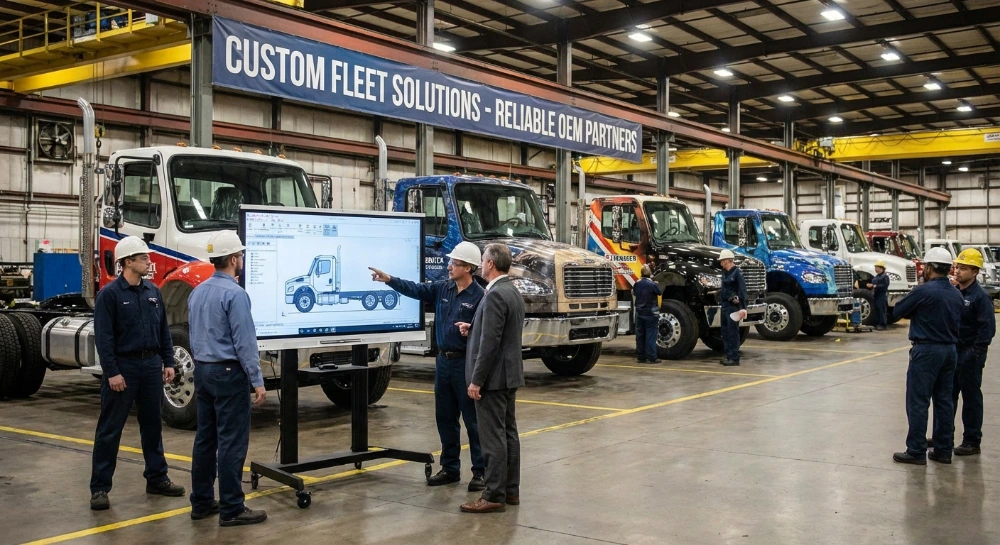
The Real Economics of Going Direct
Let’s cut to the chase. When you buy from a dealer, you are buying a finished product that was designed for the “average” user. But in construction, mining, or long-haul transport, there is no such thing as an “average” job. By partnering directly with an ผู้ผลิตรถบรรทุกแบบ OEM, you unlock a level of economic efficiency that retail buying simply cannot match.
I have seen procurement sheets where the direct cost difference between an OEM order and a dealer invoice was upwards of 30%. Why? Because you are eliminating the compounding markups. However, the real savings come from operational suitability. If you buy a stock truck with a gear ratio that isn’t optimized for your heavy hauling, you are burning extra fuel every single mile. An OEM partner builds the truck to your specs, ensuring efficiency from day one.
Customization: Beyond the Paint Job
When I talk about customization, I’m not talking about picking a color. I’m talking about engineering. Working with a top-tier factory allows you to dictate the powertrain specifications. Do you need a reinforced suspension for off-road mining applications? Do you need a specific hydraulic system for urban muck transport? These are standard conversations when you deal with the source.
- Chassis Reinforcement: tailoring the frame strength to your load requirements.
- Powertrain Matching: pairing the right engine torque with the correct transmission gearing.
- Body Configuration: custom dimensions for dump beds or tanker volume.
Vetting a Reliable OEM Truck Manufacturer
Not all factories are created equal. In my years visiting production lines, I’ve seen world-class facilities and I’ve seen places I wouldn’t buy a bicycle from. How do you tell the difference without flying halfway across the world? You look for specific indicators of quality and process control.
A reliable manufacturer doesn’t just assemble parts; they engineer solutions. You need to look for a company that uses robotic welding for consistency. Hand welding is fine for repairs, but for the structural integrity of a heavy-duty dump truck, you want the precision of automation. You also want to verify their supply chain partners. Are they using recognized engine brands? Are the axles rated for the tonnage they claim?
The “Chinese Truck Factory” Standard
In the global market, there is a lot of noise. However, if you are looking for a partner that balances heavy-duty engineering with cost-effective production, you have to look at โรงงานผลิตรถบรรทุกของจีน. In my experience, they represent the new wave of manufacturing—where Western quality standards meet efficient production capabilities.
They aren’t just pumping out generic units. They specialize in everything from complex โซลูชันสำหรับรถบรรทุกในอุตสาหกรรมการขุดแร่ to specialized sanitation vehicles. Their approach is consultative. They don’t just ask “how many?” they ask “what are you hauling?” and “on what kind of road?” That is the difference between a vendor and a partner.
Key Vehicle Types for Fleet Optimization
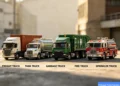
Different industries have drastically different needs. An OEM allows you to mix and match your fleet composition in a single order, ensuring uniformity in parts and maintenance.
1. Heavy Duty Construction Vehicles
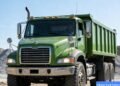
For those in the construction sector, durability is non-negotiable. You need dump trucks that can handle high-impact loading. When sourcing these, I always recommend looking for high-tensile steel bodies. You can explore specific configurations for these rugged environments in โซลูชันสำหรับรถก่อสร้างแบบทนทาน.
2. Specialized Sanitation and Waste Management
Municipalities and private waste contractors operate on tight margins. The trucks run stop-and-go cycles that destroy standard transmissions. OEM sourcing allows you to spec heavy-duty automatics and reinforced braking systems specifically designed for refuse collection. For fleet managers in this sector, checking out dedicated โซลูชันการจัดการขยะ is a must to understand the available hydraulic compaction options.
3. The Electric Transition
We cannot ignore the shift toward green energy. Ports and urban logistics centers are rapidly adopting EVs to meet emissions regulations. Sourcing electric trucks from a dealer is often prohibitively expensive due to the novelty markup. However, an OEM specializing in this technology can offer โซลูชันรถบรรทุกไฟฟ้าสำหรับโลจิสติกส์ท่าเรือ at a price point that actually makes ROI possible within a few years.
Analyzing the Cost Benefit: OEM vs. Dealer vs. Used
To help you visualize the value, I’ve broken down the comparison based on my industry observations. This table assumes a fleet purchase of 5+ units.
| ปัจจัย | OEM Direct (Source Manufacturer) | Local Dealership | Used Market |
|---|---|---|---|
| Initial Cost | Lowest (Factory Direct Pricing) | High (Includes Commissions) | Variable (Low upfront, high risk) |
| การปรับแต่ง | 100% Configurable | Limited to Stock/Dealer Swaps | Zero (As-is) |
| Lead Time | Production Time Required | Immediate (If in stock) | Immediate |
| การรับประกัน | Full Factory Coverage | Factory + Dealer Service | Limited or None |
| Technology | Latest Specs | Current Year Models | Outdated |
The Technical Specification Checklist
When you are ready to place an order with an ผู้ผลิตรถบรรทุกแบบ OEM, you need to speak their language. Vague requests lead to disappointing results. Here is the technical checklist I use when structuring a deal.
Engine and Performance
Don’t just ask for “a strong engine.” Specify the torque curve. For heavy hauling, you want peak torque available at lower RPMs to get the load moving without burning the clutch. Ask about fuel mapping options—some OEMs can tune the ECU for economy versus power depending on your route profile.
Chassis and Frame
Ask about the yield strength of the frame rails. For standard road use, standard steel is fine. But for รถพิเศษ that carry concentrated loads (like crane trucks or concrete mixers), you might need double-frame rails or heat-treated alloy steel. This prevents frame twisting and cracking over time.
Axles and Suspension
This is where maintenance costs are saved or lost. For rough terrain, leaf spring counts matter. More leaves equal more capacity but a stiffer ride. Air suspension offers a smoother ride and protects fragile cargo, but it adds complexity. A good OEM will help you find the balance.
Navigating Logistics and Importation
Many business owners hesitate to go direct because they fear the logistics. “How do I get the truck from the factory to my yard?” It’s actually more straightforward than you think.
Most reliable manufacturers, including โรงงานผลิตรถบรรทุกของจีน, offer comprehensive shipping terms. You will usually deal with Incoterms like FOB (Free on Board) or CIF (Cost, Insurance, and Freight). CIF is generally the easiest for buyers, as the manufacturer handles the shipping to your nearest major port. From there, you just need a customs broker—a standard service provider—to handle the paperwork and final delivery.
It is not a black box. It is a standardized global process moving millions of tons of cargo daily. Don’t let the fear of paperwork stop you from saving thousands per unit.
After-Sales Support: The Critical Component
A truck is only as good as its uptime. A common misconception is that buying foreign or direct OEM means you are on your own for parts. That used to be true twenty years ago, but the landscape has changed.
Top-tier manufacturers now use global supply chain components. For example, if you buy a truck with a Bosch fuel system and a Wabco braking system, you can buy replacement parts at your local auto parts store in the US or Europe. You aren’t tied to the factory for consumables like filters, belts, and brake pads.
Furthermore, digital support has revolutionized troubleshooting. I’ve seen technicians diagnose sensor issues via video call directly with factory engineers. When choosing your supplier, always ask for their “Spare Parts Recommended List” for the first two years of operation. Buying these critical spares along with the truck shipment is a pro move that guarantees zero downtime.
Why Chinese Manufacturing Leads the Pack
Let’s address the elephant in the room. Why consider a ผู้ผลิตรถบรรทุกของจีน? The answer lies in the sheer scale and technological investment.
China has become the world’s factory for heavy machinery. The supply chain integration there is unmatched. A factory in Hubei can source steel, electronics, and rubber within a 100-mile radius, drastically cutting production costs. This isn’t about cheap labor; it’s about supply chain density. They can produce a high-spec รถบรรทุกน้ำมัน with advanced welding quality for a fraction of the cost of a European counterpart simply because the materials don’t have to travel across continents before assembly.
Future-Proofing Your Fleet
The trucking industry is at a crossroads. Regulations regarding emissions are tightening in Europe and North America. When you buy from a dealer, you are often buying technology that is already a few years old in terms of design cycle. Working with an OEM puts you at the bleeding edge.
We are seeing massive innovations in fuel efficiency and driver safety systems. Lane departure warnings, automatic emergency braking, and fatigue monitoring systems are becoming standard at the factory level. Integrating these safety features during the build process is far cheaper than aftermarket retrofitting.
Conclusion: Take Control of Your Supply Chain
The days of relying solely on local dealerships for fleet procurement are numbered. The internet and global logistics have flattened the world, giving you direct access to the source. By partnering with a reliable OEM truck manufacturer, you are taking control of your quality, your specifications, and your budget.
Whether you need a robust fleet for a construction empire or a specialized solution for municipal waste, the factory direct route offers the flexibility you need. Companies like โรงงานผลิตรถบรรทุกของจีน have proven that they can deliver Western-standard quality with the economic advantages of Eastern manufacturing.
Do your homework. Vet the specs. But don’t be afraid to cut out the middleman. Your profit margin will thank you.
คำถามที่มักถูกถาม (FAQ)
What is the minimum order quantity (MOQ) for an OEM truck manufacturer?
While “fleet deals” imply large numbers, many flexible manufacturers, including โรงงานผลิตรถบรรทุกของจีน, are willing to produce single units or small batches (1-3 trucks) to establish a relationship. However, the best pricing and shipping efficiency usually kick in at container-load quantities or bulk shipments.
How do I ensure the truck meets my country’s road regulations?
This is the most critical step. You must provide the manufacturer with your local standards (e.g., DOT in the US, E-mark in Europe). A professional manufacturer will engineer the lighting, emissions, and safety systems to comply. Always confirm emission standards (like Euro 6 or EPA Tier 4) before production begins.
Can I customize the brand logo on the trucks?
Yes, this is a standard benefit of OEM sourcing. You can have your company logo, custom color schemes, and branding applied directly at the factory. This saves you the cost of wrapping or painting the vehicles after delivery.
How long does it take to manufacture a custom fleet?
Typically, production takes between 30 to 45 days after the final specifications and deposit are confirmed. Shipping times vary by location but generally add another 20 to 40 days. You should plan for a roughly 3-month lead time from order to delivery.
Is it safe to buy a truck online from China?
Yes, provided you do your due diligence. Use reputable manufacturers with a digital footprint and verifiable references. Companies like โรงงานผลิตรถบรรทุกของจีน are established to serve international clients with transparent processes, video inspections, and secure payment methods.
อ้างอิงและแหล่งข้อมูล:
- American Trucking Associations (ATA) – Industry Data & Reports
- Global Supply Chain Management Reviews – Manufacturing Efficiency Studies
- U.S. Department of Transportation (DOT) – Vehicle Importation Guidelines