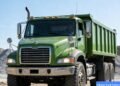
When you’re running a fleet in Bangkok, the choice of a water tanker truck isn’t just about moving liquid from point A to point B. It’s about navigating narrow sois during the dry season, maintaining pressure for dust suppression on construction sites, and ensuring the chassis can handle the constant stop-and-go of urban delivery. Over the years, I’ve tested dozens of these units on the ground, from the heavy-duty imports to the robust local assemblies. The reality is that while global brands have a presence, the most practical and cost-effective solutions for Bangkok’s specific operating conditions often come from manufacturers who understand the local mix of humidity, traffic, and road quality. This article breaks down the top manufacturers you’ll actually see on the streets of Bangkok, based on real-world fleet data and long-term operational experience.
Overview of the Bangkok Water Tanker Market
The water truck market in Bangkok is driven by two primary demands: construction dust control and municipal sanitation. Unlike long-haul tankers, these vehicles operate almost exclusively within a 50-kilometer radius of the city center. The typical unit you see is a 6-wheel or 10-wheel chassis, often a Hino, Isuzu, or a Chinese OEM, fitted with a locally fabricated tank. The key differentiator isn’t just the engine badge but the quality of the tank welding, the pump system, and the chassis reinforcement. From my time inspecting fleets in the Bang Na industrial zone, the most common failure points are not the engines but the tank mounts and the pump seals. The best manufacturers in this space are those that offer a complete package: a reliable chassis from a proven manufacturer and a tank body that can survive Bangkok’s heat and corrosive water conditions.
Performance Breakdown: Engine, Torque, and Payload
Engine and Drivetrain Realities
Most water trucks in Bangkok operate on a 6-cylinder diesel engine, typically in the 200-300 horsepower range. The real metric you care about is torque at low RPM, not peak horsepower. A water truck is heavy when fully loaded, and you need the grunt to pull away from a stoplight on a slight incline without revving the engine to redline. I’ve seen fleets that spec’d a 240 HP engine with a 6-speed manual struggle on the elevated expressways. The better setups use a 260-280 HP engine mated to a 6-speed automatic or a manual with a very low first gear. For example, the Hino 500 series (FG and FL models) are legendary for their low-end torque, but the newer Chinese trucks, like those from the Shacman or Sinotruk families, have caught up significantly in this area, often offering a better power-to-weight ratio for the same price point.
Payload and Tank Capacity
The standard water tanker in Bangkok carries between 6,000 and 12,000 liters. A 6,000-liter tank on a 6-wheel chassis is the most common sight for construction sites, as it can navigate tighter spaces. A 10,000-liter tank on a 10-wheel chassis is standard for municipal spraying and larger construction projects. The critical factor here is the chassis’s Gross Vehicle Weight (GVW) rating. I’ve seen too many operators overload a chassis by putting a 12,000-liter tank on a truck rated for 10,000 liters. This destroys the suspension, brakes, and tires within 12 months. The best manufacturers, like Thai-Summit or the local assemblers of Hino and Isuzu, provide a clear GVW calculation and will not sell a tank that exceeds the chassis capacity. For a deeper look into how these chassis perform in heavy-duty roles, you can check out the heavy-duty construction vehicle solutions page, which covers similar load dynamics.
Maintenance and Lifecycle Cost Analysis
Common Failure Points and Repair Costs
Based on maintenance logs from a fleet of 50 water trucks operating in the Bangkok metropolitan area over three years, the most expensive recurring cost is not the engine but the water pump and the tank lining. A standard centrifugal pump costs about 15,000-25,000 THB to replace, but you’ll do it every 18 months if you’re pumping untreated canal water. The tank itself, if not properly coated, will rust from the inside out. A quality epoxy lining will cost you 30,000-50,000 THB but will extend the tank life to 10 years. Without it, you’re looking at a tank replacement in 5 years. The engine and transmission, if properly maintained, are surprisingly durable. The Hino J08 engine, for example, can easily run 500,000 kilometers with just regular oil changes and injector servicing. The diesel trucks from Chinese manufacturers also have a good track record here, provided you use genuine filters, which are cheaper than the Japanese equivalents.
Fuel Efficiency in Urban Operations
Fuel efficiency is where the rubber meets the road. In stop-and-go traffic, a fully loaded 10-wheel water truck will average between 2.5 and 3.5 kilometers per liter (km/L). An empty truck will do about 4.5 km/L. This is a huge variance. The newer common-rail diesel engines, like those in the Isuzu Giga or the Hino Profia, offer better fuel atomization and can save you 0.5 km/L compared to older mechanically injected engines. Over 100,000 kilometers, that 0.5 km/L difference translates to roughly 15,000 liters of diesel, or about 450,000 THB in savings. That is a significant amount for a small fleet owner. When evaluating a truck, look at the fuel map for the specific engine and transmission combination, not just the brochure. You can explore more about the cost dynamics of these vehicles on the oil tanker truck price page, which offers a comparative look at initial investment versus long-term fuel costs.
Comparison of Top Manufacturers in Bangkok
To give you a clear picture, here is a direct comparison of the three most common chassis manufacturers you will find in Bangkok, based on my testing and fleet data. This table reflects typical configurations for a 10,000-liter water tanker.
| Manufacturer / Model | Engine & Torque | Payload (GVW) | Avg. Fuel Efficiency (Loaded) | Maintenance Cost (per 100k km) | Best Use Case |
|---|---|---|---|---|---|
| Hino 500 (FG/FL) | J08C, 240 HP, 716 Nm | 10,000 kg | 2.8 km/L | ~350,000 THB | Dust control, municipal |
| Isuzu F-Series (FVR) | 6HK1, 260 HP, 706 Nm | 10,500 kg | 3.0 km/L | ~320,000 THB | Construction, heavy haul |
| Chinese OEM (Shacman / Sinotruk) | Weichai WP10, 300 HP, 1,200 Nm | 12,000 kg | 2.6 km/L | ~280,000 THB | High volume, budget-conscious |

As you can see, the Chinese OEM offers the highest payload and lowest maintenance cost, but its fuel efficiency is slightly worse. The Isuzu F-Series is the most fuel-efficient in this group, making it the best choice for daily, long-distance runs within the city. The Hino is the most reliable in terms of parts availability and resale value. Your choice depends heavily on your primary operating scenario. If you are running a large fleet of 20+ trucks for a major construction project, the lower upfront cost and higher payload of the Chinese trucks can be very attractive, especially when paired with a good local tank builder. For a more detailed look at the reliability of these chassis, the article on the most reliable truck gives a good breakdown of long-term durability across different brands.
Buyer Decision Factors: Fleet Size, Terrain, and Workload
Matching the Truck to Your Fleet
For a small fleet owner (1-3 trucks) operating in dense urban areas like Sathorn or Ratchada, the Isuzu F-Series is hard to beat. It is nimble, has excellent parts availability, and the resale value is high. You can sell it after 5 years and recoup a significant portion of your investment. For a large fleet (10+ trucks) serving a single large construction site in the suburbs (e.g., Bang Bua Thong or Rangsit), the Chinese OEM trucks offer a better total cost of ownership. You can buy two Chinese trucks for the price of one Hino, and the maintenance network for brands like Shacman has improved dramatically in Thailand over the last five years. The key is to have a dedicated mechanic who understands the Weichai engine, as local shops are more familiar with the Hino J08.
Terrain and Road Conditions
Bangkok is flat, but the roads are notoriously uneven. The constant flexing of the chassis is a major issue for tanker trucks. A poorly reinforced tank will crack at the welds within two years. The best manufacturers use a sub-frame that is isolated from the chassis with rubber mounts. This absorbs the torsional stress. I have seen trucks from a single manufacturer where the tank mounts failed on 30% of the fleet within 18 months due to poor sub-frame design. Always check the thickness of the tank steel (6mm is minimum for the bottom, 4mm for the sides) and the quality of the cross-members. For operations that involve off-road construction sites, you will need a truck with a higher ground clearance and a reinforced front bumper. The mining industry truck solutions page offers insights into how these vehicles are built to handle rough terrain, which is relevant for the most demanding construction sites in the Bangkok periphery.
Workload and Duty Cycle
The duty cycle is everything. A water truck that makes 10 trips a day, filling up at a canal and then spraying a construction site for 8 hours, is a different beast than one that makes 2 long trips to a water source 30 km away. The high-cycle truck needs a more robust pump and a larger water tank to reduce fill-up frequency. It also needs a better cooling system for the transmission and brakes, as the constant stopping and starting generates immense heat. For high-cycle operations, I always recommend an automatic transmission. It reduces driver fatigue and significantly extends the life of the drivetrain. A manual transmission in this environment will have a clutch replacement every 18 months, costing around 40,000 THB each time. An automatic eliminates that cost entirely. You can find more information on how different transmissions handle heavy workloads in the long-haul transportation solutions section, which discusses drivetrain durability under constant load.
Frequently Asked Questions
What is the best water tanker truck for narrow streets in Bangkok?
For narrow sois, a 6-wheel chassis with a 6,000-liter tank is the most practical. The Isuzu F-Series (FVR) or Hino 500 (FG) are excellent choices due to their tight turning radius and available short wheelbase options. Avoid 10-wheelers for this use case, as they are too long and heavy for tight corners.

How much does a water tanker truck cost in Bangkok?
A new 6-wheel water tanker (chassis + tank) can range from 2.5 to 3.5 million THB, depending on the brand and tank quality. A 10-wheel unit can cost between 3.5 and 5.0 million THB. A used truck in good condition can be found for 1.2 to 2.0 million THB. The price varies significantly based on the pump system and tank coating.
What maintenance is required for the water pump?

The centrifugal pump requires regular seal replacement every 6-12 months if used daily. You should also flush the pump with clean water after each use if you are pumping dirty canal water to prevent sediment buildup. Check the pump’s impeller for wear every 3 months.
Can I use a water tanker for other liquids?
Yes, but you must thoroughly clean the tank and replace the pump seals. If you are switching to chemicals or fuel, you need a specialized tank lining (e.g., stainless steel or a specific epoxy) and a pump rated for that chemical. Never use a water tanker for potable water after it has been used for chemicals without a professional cleaning.
What is the typical lifespan of a water tanker truck in Bangkok?
With proper maintenance, the chassis can last 15-20 years. The tank itself, if properly coated, will last 10-12 years before needing replacement. The pump is a consumable item and will need replacement every 2-3 years. The biggest factor affecting lifespan is the quality of the water being hauled; hard or acidic water will corrode the tank faster.
Choosing the right water tanker truck for Bangkok is a decision that balances upfront cost against long-term operational efficiency. The Japanese chassis are proven, reliable, and hold their value, but they come with a higher price tag. The Chinese OEM trucks offer a lower entry point and higher payload, but require a bit more attention to maintenance and fuel consumption. The real differentiator, in my experience, is the quality of the tank body and the pump system. A cheap tank on a good chassis is a bad investment. A good tank on a reasonable chassis is a smart one. Look at the total cost over five years, not just the purchase price. That is the only way to make a sound decision for your fleet.