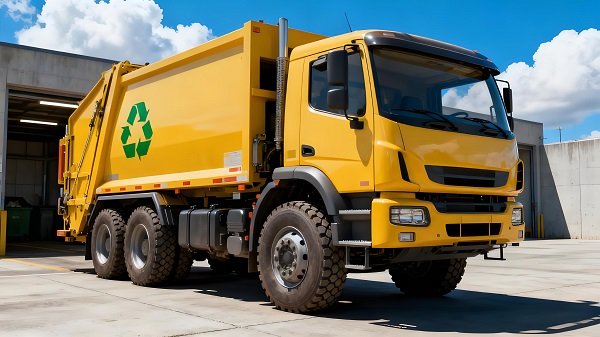
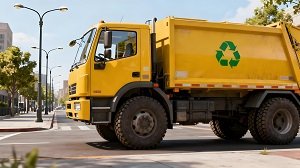
Rear-Loader Garbage Compactor Truck
A common solution for municipal and residential collection routes. Waste is loaded from the rear and compacted hydraulically inside the body.
Chinese Truck Factory supplies garbage compactor trucks and sanitation vehicles for municipal waste collection, private sanitation contractors, commercial properties and industrial sites. Vehicle configuration can be matched to your required chassis, body volume, loading method, waste type and destination market.
Pricing is configuration-based. Send your required truck type, capacity, quantity and destination country for an accurate quotation.
The right sanitation vehicle depends on how waste is collected, the available road space, local container standards, required payload and daily route conditions. The following configurations cover common municipal and commercial collection needs.
A common solution for municipal and residential collection routes. Waste is loaded from the rear and compacted hydraulically inside the body.
Designed for routes where waste containers are collected from the side of the vehicle. The loading arrangement can be matched to the intended bin system.
Vehicle body and loading arrangements can be discussed for projects that need collection of recyclable materials or separated waste streams.
For projects with specific chassis, body, loading, road or destination-market requirements, the vehicle configuration can be reviewed before quotation.
Sanitation trucks are built around different chassis and body combinations. For procurement, specifications should be confirmed for the exact model rather than relying on one generic number across the entire product range.
| Specification | Available Configuration | What the Buyer Should Confirm |
|---|---|---|
| Truck Type | Rear-loader, side-loader or project-specific configuration | Collection method and route conditions |
| Body Volume | Model dependent | Required daily waste volume and chassis GVW |
| Chassis | Selected according to project requirements | Preferred chassis, GVW, engine and local service availability |
| Drive Configuration | Depends on selected chassis | Road conditions, payload and route type |
| Steering Position | Subject to chassis availability | LHD or RHD requirement |
| Compaction System | Hydraulic compaction | Required body size, waste type and operating cycle |
| Bin Lifter | Optional configuration based on bin standard | Bin volume, dimensions and lifting interface |
| Control System | Configuration varies by model | Required control positions and safety functions |
| Emission Standard | Depends on engine and chassis selection | Destination-country registration requirements |
| Body Color | Custom fleet color can be discussed | RAL color or reference color where applicable |
| Logo & Marking | Project-specific branding can be discussed | Logo file, text and placement requirements |
| Optional Equipment | Confirmed according to selected model | Camera, warning devices, lighting and other requested equipment |
Specification availability varies by chassis, vehicle model and destination market. Final technical data should be confirmed in the quotation and configuration sheet before ordering.
A larger body is not automatically the best choice. Truck selection should balance waste volume, road access, payload, collection frequency, container type and local regulations.
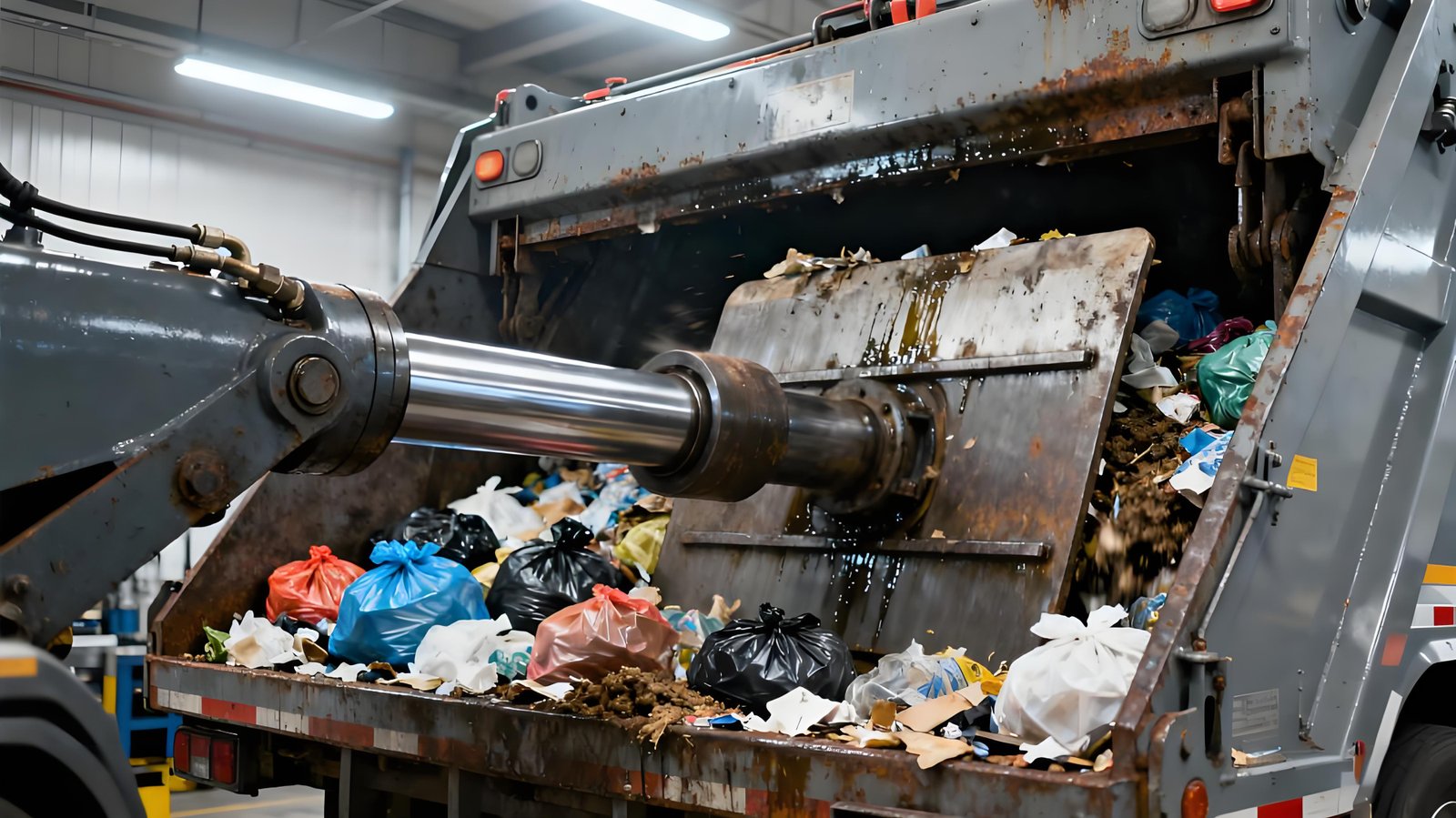
Garbage compactor trucks use hydraulic loading and compression mechanisms to move waste into the body and reduce its occupied volume. The exact operating sequence, hydraulic components and cycle settings depend on the selected truck configuration.
The loading mechanism transfers collected waste into the compaction body using a hydraulic operating system.
Compaction helps increase the amount of waste carried before unloading. Actual performance varies with waste density and body design.
The unloading arrangement is selected according to the body design and intended waste transfer or disposal process.
International buyers often need different configurations because road regulations, container standards and fleet requirements vary by country. Send the operating requirements first so available options can be confirmed before quotation.
Chassis selection can be discussed according to required GVW, wheelbase, steering position, engine requirement and intended road conditions.
Body size should be matched to chassis capacity, daily collection volume, route length and the density of the waste being transported.
If a lifting device is required, provide the local bin dimensions, capacity or photographs so compatibility can be checked.
Control positions and operating functions vary by model and can be discussed according to the required working process.
Required cameras, warning lights, emergency controls and other safety equipment should be specified before the final configuration is confirmed.
Body color, fleet identification, logos and project markings can be discussed as part of the order specification.
Bin standards vary between projects and countries. Send us the bin capacity, dimensions, lifting interface or a clear photo. We can use that information when discussing the appropriate lifting configuration.
Different collection environments require different chassis sizes, loading arrangements and body capacities. The following are common use cases.
Regular collection routes serving city streets, public collection points and municipal sanitation programs.
Waste collection from neighborhoods, apartment areas and residential developments where maneuverability may be important.
Collection for shopping centers, hotels, offices, markets and other commercial facilities.
Collection routes serving factories, industrial parks and other sites with planned waste handling requirements.
Fleet configurations for companies operating outsourced municipal, residential or commercial collection services.
Vehicle specifications can be reviewed against tender documents or fleet purchasing requirements before quotation.
A truck price without a confirmed specification can be misleading. Providing the following information helps narrow down the correct configuration.
Rear-loader, side-loader or your required sanitation vehicle type.
Preferred body capacity, payload or approximate daily waste volume.
Needed to review steering, engine, emission and export requirements.
Tell us whether you need one vehicle, multiple units or a fleet quotation.
Inspection requirements should be agreed for the selected vehicle. Depending on the order, inspection can focus on the chassis, body, hydraulic operation, controls and requested optional equipment.
Check operation of the loading, compaction and discharge functions included in the selected configuration.
Confirm control functions, warning devices, lighting and optional electrical equipment listed in the specification.
Review visible body condition, paint, markings and the installed equipment before shipment.
For international truck procurement, the most important step is confirming the specification before production. A clear workflow reduces misunderstandings about chassis, body equipment and destination-market requirements.
Provide truck type, capacity, quantity, destination country and special requirements.
Review chassis, body, loading system, steering, emission and optional equipment.
Pricing is prepared according to the confirmed vehicle specification and quantity.
Production and inspection follow the confirmed order specification.
Shipping method and export documentation are discussed according to the destination.
For commercial vehicles, after-sales terms are as important as the purchase price. Confirm warranty coverage and spare-parts requirements for the exact model before ordering.
Warranty conditions may vary with chassis and body configuration. The applicable warranty should be stated in the quotation or sales contract.
If spare parts, manuals or technical information are required for local maintenance, include these requirements when discussing the order.
Instead of choosing a sanitation vehicle from generic marketing claims, start with your collection conditions and final technical requirements.
Confirm the chassis, body, loading arrangement and destination requirements before comparing prices.
Select the vehicle according to waste volume, route type, container standard and available road space.
The quotation is based on the selected truck configuration instead of a generic advertised price.
These are common questions international buyers should confirm before purchasing a garbage truck or sanitation vehicle.
Please provide the required truck type, preferred body capacity or payload, waste type, local bin information, quantity and destination country. Road conditions and preferred chassis information are also useful.
Body capacity depends on the selected chassis and truck configuration. Tell us the required capacity or your approximate daily waste volume so an appropriate configuration can be discussed.
Chassis options depend on the required GVW, engine, steering position, destination market and current chassis availability. Send your preferred chassis specification when requesting a quotation.
Steering configuration depends on the selected chassis and its availability. State whether you require left-hand drive or right-hand drive when sending your inquiry.
Bin lifter compatibility should be confirmed before production. Send the bin capacity, dimensions, lifting interface or clear photographs so the required loading arrangement can be reviewed.
The required emission standard depends on the destination country's registration and import rules as well as available chassis and engine options. Tell us the destination market before the configuration is finalized.
Customization can be discussed for body capacity, loading configuration, lifting equipment, controls, warning equipment, body color, fleet markings and other project-specific requirements, subject to the selected model.
An accurate quotation requires a defined configuration. Send the truck type, body capacity or payload requirement, preferred chassis, quantity, destination country and any optional equipment required.
Production time depends on chassis availability, body configuration, optional equipment and order quantity. The expected schedule should be confirmed in the quotation for the specific order.
Shipping arrangements depend on the vehicle dimensions, destination and selected transport method. Provide the destination port or country when requesting the quotation so available shipping arrangements can be discussed.
Tell us what you need instead of choosing from a generic price. The more information you provide, the easier it is to identify a suitable chassis and sanitation body configuration.
Submit your project requirements below. Include as much technical information as possible for a more accurate configuration.
actory-direct heavy-duty trucks engineered for durability, application-specific performance, and lower total ownership cost. OEM customization available.