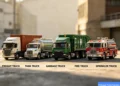
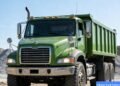
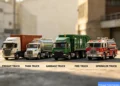
Jakarta’s fire trucks are a mixed bag, ranging from aging European imports to newer Asian-built units, and the list of manufacturers supplying them reflects a city that operates under unique logistical and budgetary pressures. Based on years spent around fleet maintenance yards and talking to operational crews, the top fire truck manufacturers in Jakarta are not necessarily the global premium brands you see in Western catalogs; they are the ones that offer a practical balance of reliability, parts availability, and chassis durability for dense, flood-prone urban environments. The key players include local assemblers working with global chassis, Chinese manufacturers gaining traction for their cost-effectiveness, and a few established European names that still hold sway in specific high-end applications.
Real-World Usage Scenarios in Greater Jakarta
Understanding who the key manufacturers are starts with understanding the job. Jakarta is not a typical Western city with wide boulevards and organized hydrant networks. The operational reality here involves narrow *kampung* streets, chronic traffic congestion, and seasonal flooding that can render standard pumpers useless. A fire truck operating in Jakarta must be compact enough to navigate tight corners, powerful enough to pump water from canals or flooded streets, and robust enough to handle constant stop-and-go driving that wears out brakes and transmissions faster than any highway run.
From observing fleet operations, the most common scenario is a rapid response to structural fires in densely populated residential areas. This requires a vehicle with a short wheelbase, high ground clearance, and a pump that can operate effectively even when the water source is a drainage ditch. Another frequent use case is industrial fires in the port and warehousing districts, where foam capabilities and high-volume monitors become critical. The manufacturers that succeed in Jakarta are those that adapt their base chassis to these specific, harsh conditions rather than just selling a standard export model.
Urban Density and Maneuverability
The physical constraints of Jakarta’s streets cannot be overstated. Many older neighborhoods have roads barely wide enough for a single car, with overhead wires and low-hanging awnings. This is where the choice of chassis becomes critical. Manufacturers like Hino and Isuzu, with their robust medium-duty truck platforms, are often the preferred base for local body builders. A crew can tell you immediately if a truck is too long or too heavy for their sector. The best fire trucks in this environment are those that sacrifice a bit of water tank capacity for a tighter turning radius and a lower overall height.
Flood Response and Pump Reliability
Jakarta’s annual monsoon season transforms firefighting operations. Standard hydrants are often inoperable due to low pressure or flooding. The fire trucks used for flood response need pumps that can handle debris-laden water and a chassis that can wade through half a meter of standing water without electrical failure. This has driven a demand for vehicles with elevated air intakes and sealed electrical systems. Manufacturers who understand this, particularly those from regions with similar climates, have a distinct advantage over those building for dry, temperate conditions.
Performance Breakdown: Engine, Torque, and Payload
Performance in a Jakarta fire truck is measured differently than on a German autobahn. Raw horsepower is less important than low-end torque and thermal management. The city’s idle-heavy duty cycle means engines run hot for hours, and the transmission is constantly shifting. Most fire trucks in Jakarta are diesel-powered, with a growing interest in alternative fuels, but the diesel engine remains the standard for reliability. The common engine configurations are 6-cylinder diesels in the 200-350 horsepower range, paired with automatic or automated manual transmissions to reduce driver fatigue.
Torque delivery is critical for the pump operation. A fire engine’s pump is typically driven by the chassis engine through a power take-off (PTO). The engine must maintain a constant RPM under varying load conditions to keep the pump pressure stable. Engines with a flat torque curve, like the Hino J08 series or the Isuzu 6HK1, are preferred because they provide consistent power without surging. Payload is another constraint. The combination of a full water tank (typically 4,000 to 6,000 liters), crew, and equipment pushes the gross vehicle weight rating (GVWR) to its limit. Overloading is a common issue, leading to premature suspension and brake wear.
Fuel Efficiency in Stop-and-Go Operations
Fuel efficiency is often a secondary concern for municipal fire departments, but it becomes a significant line item for private industrial fire brigades. A typical Jakarta fire truck burns through 2 to 4 liters of diesel per hour while idling at a scene, and much more during transit through traffic. The newer common-rail diesel engines, compliant with Euro 4 or Euro 5 standards, offer slightly better fuel economy than older mechanical injection pumps, but they are more sensitive to fuel quality. Contaminated diesel is a real problem in Indonesia, leading to injector failures. Some fleets have found that slightly older, less sophisticated engine designs are more reliable in the long run, even if they burn more fuel.
Water Pump Capacity and Pressure
The pump is the heart of any fire truck. In Jakarta, the standard is a single-stage centrifugal pump capable of delivering 1,500 to 2,500 liters per minute (LPM) at a pressure of 7 to 10 bar. However, the actual performance often falls short of the spec sheet due to altitude, humidity, and the condition of the suction hoses. A pump that performs well in a factory test in Japan or China can struggle in Jakarta’s humid, low-pressure environment. The most reliable pumps in this market are those with robust impellers and easy-to-service mechanical seals. Brands like Rosenbauer and Hale are common on high-end units, but many local bodies use Korean or Chinese pumps that are simpler to repair.
Maintenance and Lifecycle Cost Analysis
This is where the rubber meets the road for fleet managers in Jakarta. The total cost of ownership (TCO) for a fire truck here is heavily influenced by the availability of spare parts and the skill level of local mechanics. A Scania or Volvo chassis might offer superior performance, but if a brake caliper takes three months to arrive from Europe, the truck is a liability. Conversely, a chassis built on a Hino or Mitsubishi Fuso platform can be repaired at hundreds of garages across the city, often within hours. This logistical reality makes Japanese chassis the dominant choice for the majority of Jakarta’s fleet, despite their higher initial cost compared to some Chinese alternatives.
Lifecycle costs are also driven by corrosion. Jakarta’s coastal air and frequent flooding accelerate rust on frames, electrical connectors, and body panels. A fire truck that is not properly undercoated or built with galvanized steel will require major bodywork within five years. This is a common failure point for cheaper imports. The long-term owners I have spoken with emphasize that the cost of rust repair often exceeds the initial savings from buying a cheaper truck. Regular washing and corrosion-inhibiting coatings are not optional; they are a mandatory part of the maintenance schedule.
Parts Availability and Supply Chain
The parts supply chain in Jakarta is a complex ecosystem. For Japanese brands, parts are widely available through a network of authorized dealers and independent suppliers. For European brands, the supply chain is thinner and more expensive. For Chinese brands, the situation is improving rapidly. Several Chinese manufacturers have established warehouses in Jakarta or Surabaya, stocking common service items like filters, brake pads, and pump seals. This has made the total cost of ownership for a Chinese fire truck much more competitive than it was five years ago. Fleet managers now consider parts availability as a primary selection criterion, often more important than the initial purchase price.
Common Repair Patterns and Downtime
From a maintenance perspective, the most common repairs on Jakarta fire trucks are related to the cooling system, the electrical system, and the pump seals. The hot, humid climate puts immense stress on radiators and hoses. Overheating is a leading cause of engine failure, especially in trucks that are used for prolonged pump operations. Electrical issues, particularly with warning lights, sirens, and pump controls, are also frequent due to moisture intrusion. The best preventive measure is a rigorous weekly inspection routine that checks for loose connections and corroded terminals. Pump seal failure is another common issue, often caused by running the pump dry or by debris in the water. A well-maintained pump should last 5-7 years before needing a major overhaul.
Comparison Table: Common Fire Truck Chassis in Jakarta
| Chassis Brand | Typical Engine Power | Water Tank Capacity | Estimated Fuel Consumption (L/hr idle) | Common Maintenance Interval | Parts Availability Rating |
|---|---|---|---|---|---|
| Hino (Japan) | 200-300 HP | 4,000 – 6,000 L | 2.5 – 3.5 | 10,000 km / 6 months | Excellent |
| Isuzu (Japan) | 190-280 HP | 3,500 – 5,500 L | 2.0 – 3.0 | 10,000 km / 6 months | Excellent |
| Mitsubishi Fuso (Japan) | 180-260 HP | 3,000 – 5,000 L | 2.0 – 3.0 | 10,000 km / 6 months | Good |
| Dongfeng/Shacman (China) | 220-350 HP | 5,000 – 8,000 L | 2.5 – 4.0 | 8,000 km / 4 months | Moderate to Good |
| Scania/Volvo (Europe) | 300-450 HP | 5,000 – 8,000 L | 3.0 – 4.5 | 15,000 km / 12 months | Fair |
This table reflects the most common configurations seen in active service across Jakarta’s municipal and industrial fleets. The data on fuel consumption is an average from fleet logs and may vary based on pump usage and driving conditions. The parts availability rating is based on feedback from maintenance supervisors in the Greater Jakarta area.

Buyer Decision Factors: Fleet Size, Terrain, and Workload
The decision to purchase a specific fire truck manufacturer in Jakarta is rarely based on a single factor. It is a calculus of budget, operational need, and long-term support. For a large municipal fleet with dozens of stations, standardization on a single chassis brand (like Hino or Isuzu) simplifies training and parts inventory. For a smaller industrial facility or a private firefighting service, the decision might be driven by a specific feature, such as a high-capacity foam system or a compact size for warehouse operations. The terrain of the response area is also a major factor. Trucks serving the northern coastal areas need better corrosion protection, while those serving the hilly southern suburbs need more torque for hill climbing.

Fleet Size and Standardization
Large fleets benefit significantly from standardization. If a fleet operates 30 Hino-based pumpers, the maintenance team can stock a common set of parts and any mechanic can work on any truck. This reduces training costs and downtime. For smaller fleets with only 2-3 trucks, the decision is often about choosing a truck that is versatile enough to handle multiple roles. A single pumper might need to serve as a rescue vehicle, a water tanker, and a foam unit. In this case, a modular design from a manufacturer that offers flexible body configurations is more valuable than a specialized unit.
Terrain and Accessibility
Jakarta’s terrain is mostly flat, but the quality of the roads varies dramatically. Fire trucks in the central business district need to handle smooth asphalt, while those in the periphery must navigate unpaved roads and deep potholes. A truck with a rigid suspension might be fine for the city center, but a truck with parabolic leaf springs and better ground clearance is essential for the outskirts. The turning radius is another critical factor. A truck with a wheelbase over 4.5 meters will struggle in many residential areas. Some fleet managers have opted for smaller, more agile units (often based on a medium-duty truck chassis) to cover the most congested neighborhoods, relying on larger rigs for highway and industrial responses.
Workload and Duty Cycle
The workload varies significantly between stations. A station in a high-incidence area might run its trucks for hundreds of hours per month, while a station in a quiet suburban area might see only a few calls per week. For high-workload stations, reliability and ease of service are paramount. Trucks in these stations need engines that can handle extended idle times and pumps that can run for hours without overheating. For low-workload stations, the priority might be on preserving the vehicle’s condition through proper storage and regular low-load exercises. The choice of manufacturer should reflect this duty cycle. A premium European chassis might be wasted on a station that only runs 50 hours a year, while a heavy-duty Chinese chassis might be the best value for a station that runs 500 hours a year.
For those looking at cost-effective solutions that do not compromise on essential performance metrics, many fleet operators are now evaluating offerings from Chinese manufacturers. A reputable Chinese Truck Factory can provide a purpose-built fire truck chassis that meets the specific demands of Jakarta’s environment, often at a lower initial investment while maintaining acceptable parts availability and support through local distributors. This is particularly relevant for industrial brigades and smaller municipal fleets that need to stretch their budgets without sacrificing operational readiness. The key is to verify the build quality and the supplier’s after-sales support before committing to a purchase.
The trend in Jakarta is moving towards a more pragmatic approach. The days of buying a single European brand for prestige are fading. Fleet managers are now more focused on data: cost per call, downtime per year, and parts lead time. This data-driven approach has leveled the playing field, allowing manufacturers from Japan, China, and even local assemblers to compete effectively. The best fire truck for Jakarta is not the one with the highest horsepower or the flashiest lights; it is the one that shows up, pumps water, and comes back for the next call without breaking the bank.
Frequently Asked Questions
What are the most common fire truck chassis used in Jakarta?
The most common chassis are from Japanese manufacturers, specifically Hino and Isuzu, due to their excellent parts availability and reliability in dense urban conditions. Mitsubishi Fuso is also a frequent choice. Chinese brands like Dongfeng and Shacman are becoming more common for industrial and budget-conscious fleets.
How much does a new fire truck cost for a Jakarta fleet?
Pricing varies widely based on chassis, body, and pump specifications. A standard pumper on a Japanese chassis typically costs between USD 150,000 and USD 250,000. A comparable unit on a Chinese chassis might start around USD 80,000 to USD 120,000. European chassis models can exceed USD 350,000.
What maintenance issues are specific to fire trucks in Jakarta?
Corrosion from coastal air and flooding is a major issue. Cooling system failures due to high ambient temperatures and stop-and-go traffic are also common. Electrical problems from moisture intrusion and pump seal failures from debris in water sources are frequent maintenance points.
Are Chinese-made fire trucks reliable for Jakarta’s conditions?
Reliability has improved significantly in recent years. Many Chinese manufacturers now offer models with proven Cummins or Weichai engines and robust pumps. The key is to ensure the supplier provides a solid warranty and has a local parts warehouse. For many industrial applications, they offer a very good cost-to-value ratio.
What is the typical lifespan of a fire truck in Jakarta?
With proper maintenance, a fire truck in Jakarta can serve for 15 to 20 years. However, body corrosion often becomes a limiting factor after 10 to 12 years, especially if the truck is not regularly undercoated. Engine and pump overhauls are typically needed around the 10-year mark.
The fire truck market in Jakarta is a practical one, driven by the realities of traffic, weather, and budget constraints. While global premium brands have a presence, the real workhorses of the fleet are built on chassis that prioritize serviceability and local support. Understanding these dynamics is essential for any fleet manager or operator looking to invest in equipment that will perform reliably in one of the world’s most challenging urban environments.