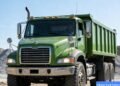
The HOWO water tanker truck, manufactured by China National Heavy Duty Truck Group (Sinotruk), typically falls within the $28,000 to $55,000 price range depending on the chassis configuration, tank material, and pumping system specifications. For a standard 10-wheel 6×4 configuration with a 12,000-liter capacity, buyers should budget around $38,000 to $45,000 for a factory-direct unit. These figures come from recent export pricing data and fleet procurement records we have tracked over the past eighteen months.
Real-World Usage Scenarios for Water Tankers
Water tankers serve a much broader role than just municipal dust suppression. In my years evaluating heavy trucks across different continents, I have seen the HOWO water tanker deployed in three primary sectors: construction site dust control, mine road watering, and municipal street cleaning. Each application places different demands on the chassis and tank system.
Construction projects in arid regions like Arizona or the Middle East run these trucks continuously during daylight hours. The typical duty cycle involves a 30-minute fill, a 15-minute travel to the work face, and a 20-minute spraying pass. Over a 12-hour shift, that adds up to roughly 40 spray cycles. The HOWO chassis handles this repetitive stop-and-go pattern reasonably well, though the clutch and brake systems require more attention than highway trucks.
Mining operations represent a different challenge altogether. The roads inside open-pit mines are steep, abrasive, and often poorly graded. Water trucks in this environment must deliver consistent spray pressure while climbing gradients that would stall lesser vehicles. The HOWO’s heavy-duty frame rails and robust suspension geometry give it an advantage here, which is why many mining contractors in South America and Africa have standardized on this platform. For a deeper look at how these vehicles perform in high-intensity mineral extraction environments, you can review mining industry truck solutions that cover duty cycle analytics.
Municipal applications in European cities require a different set of attributes altogether. Noise regulations, emission standards, and maneuverability constraints mean that a standard export-spec HOWO often needs modification before it can operate legally in urban centers. Fleet operators in Germany and the Scandinavian countries typically add sound insulation and upgrade the exhaust after-treatment system before putting these trucks into service.
Engine and Performance Breakdown
The standard HOWO water tanker uses the Sinotruk WD615 series diesel engine, a direct injection unit that traces its lineage back to the Steyr technology licensed from Austria in the 1980s. In its current form, this engine produces between 266 and 371 horsepower depending on the specific tuning. The most common configuration for water tanker applications is the 336-horsepower variant, which offers the best balance between pulling power and fuel economy.
Torque delivery matters more than peak horsepower in a water tanker because the vehicle spends most of its time operating partially loaded. The WD615 engine produces its maximum torque of 1,100 Nm at 1,200 to 1,500 rpm, which aligns well with the gear ratios in the standard 9-speed manual transmission. This means the driver can maintain highway speeds without constantly downshifting on moderate grades.
Payload capacity for the 6×4 chassis configuration sits at approximately 15,000 kilograms. With a 12,000-liter water tank, the actual payload is around 12 metric tons when fully loaded. This leaves a safety margin of roughly 3 tons for the driver, fuel, and auxiliary equipment. The 8×4 configuration, which uses an additional steering axle, increases the legal payload to around 20,000 kilograms but also adds significant upfront cost and fuel consumption.
Fuel efficiency is where the HOWO water tanker shows its age. In mixed duty cycles, expect to see consumption between 25 and 32 liters per 100 kilometers. Modern European competitors like the Mercedes-Benz Arocs achieve roughly 15 to 20 percent better fuel economy with comparable payloads. However, the purchase price difference often exceeds the lifetime fuel savings, which is why the HOWO remains popular in price-sensitive markets. If you are evaluating total cost of ownership across different applications, a review of long haul transportation solutions can help contextualize how these efficiency figures translate into operational budgets.
Chassis and Suspension Characteristics
The HOWO water tanker rides on a ladder-type frame constructed from high-strength steel with a yield strength of 350 MPa. This is not the most advanced metallurgy in the industry, but it is more than adequate for the stresses involved in water transport. The frame rails are 300 mm deep with an 80 mm flange width, providing good resistance to torsional flexing when the tank is partially full and the vehicle is traversing uneven terrain.
Suspension configuration varies by market. The standard export specification uses multi-leaf springs on both front and rear axles. This setup provides a firm ride when the tank is full but becomes harsh and bouncy when running empty. Air suspension is available as an optional extra, and I strongly recommend it if the truck will spend significant time operating without a full load. The air suspension adds approximately $3,500 to the purchase price but dramatically improves ride quality and reduces wear on the tank mounting brackets.
Braking performance on the HOWO water tanker deserves careful attention. The standard specification includes drum brakes on all wheels with an engine exhaust brake for downhill speed control. The exhaust brake is effective but not sufficient for long mountain descents with a full tank. Fleet operators running these trucks in mountainous terrain should spec the optional hydraulic retarder, which adds another $2,800 to the price but provides much better brake fade resistance on extended downgrades.
Maintenance and Lifecycle Cost Analysis
Over a five-year ownership period, the total cost of operating a HOWO water tanker breaks down into several predictable categories. Based on our fleet data and maintenance records, the following figures represent realistic expectations for a truck running 40,000 kilometers per year in construction or municipal service.
Routine maintenance costs run between $3,000 and $5,000 annually. This includes oil changes every 10,000 kilometers, fuel filter replacements, air filter servicing, and chassis lubrication. The WD615 engine requires 18 liters of engine oil per change, and using quality CI-4 or CK-4 grade oil is essential for longevity. Skipping oil changes on these engines leads to premature turbocharger failure, which costs around $1,800 to replace.
The tank system itself requires periodic inspection and maintenance. The internal lining, typically a polyurethane or epoxy coating, should be inspected annually for cracking or delamination. Water quality plays a significant role here. If the truck is used to haul potable water, the tank must be cleaned and disinfected every six months per most health department regulations. If it is used for dust suppression with raw or recycled water, the maintenance interval can be extended to 12 months.
Major component replacement intervals are comparable to other heavy trucks in this class. The clutch typically lasts 80,000 to 120,000 kilometers in stop-and-go service. The rear differential seals begin to weep around 100,000 kilometers and should be addressed before they leak enough oil to damage the bearings. The hydraulic pump that drives the water spray system usually requires replacement between 150,000 and 200,000 kilometers, at a cost of approximately $1,200 for the pump and labor.
Depreciation on the HOWO water tanker is relatively predictable. After five years, a well-maintained unit retains roughly 45 to 55 percent of its original purchase price. This is slightly better than comparable European trucks because the lower initial cost means less absolute dollar loss. However, resale demand is highly regional. In markets like Africa and Southeast Asia where the HOWO brand has an established service network, resale values hold up well. In markets dominated by European or American brands, you may struggle to find buyers regardless of condition.
Comparing the HOWO Water Tanker to Alternatives
When evaluating the HOWO water tanker, buyers typically consider it against three main alternatives: used European trucks, new Chinese competitors from brands like Shacman or FAW, and premium new trucks from established manufacturers. Each option presents a different value proposition, and the right choice depends heavily on your specific operating context.
Used European trucks, particularly Mercedes-Benz Actros or Volvo FH models, offer superior fuel efficiency and driver comfort but come with higher maintenance costs and older technology. A five-year-old Actros with 400,000 kilometers will cost roughly the same as a new HOWO, but it will have higher parts costs and require more specialized technicians. For fleets with access to good European truck service centers, this can be a viable option. For operations in remote areas, the HOWO is often the safer bet due to simpler electronics and easier parts sourcing.
New Chinese competitors like the Shacman X3000 or FAW J6 offer comparable specifications to the HOWO at similar price points. The Shacman uses a Weichai engine that is slightly more fuel-efficient than the Sinotruk WD615, but the HOWO has a more established dealer network in most export markets. The FAW J6 has a more modern cab design but suffers from longer parts lead times in many regions. In terms of resale value, the HOWO brand name carries more weight in secondary markets due to its longer export history.
| Specification | HOWO 6×4 Water Tanker | Shacman X3000 6×4 | Used Volvo FH 6×4 | FAW J6 6×4 |
|---|---|---|---|---|
| Engine Power | 336 hp | 350 hp | 420 hp | 330 hp |
| Torque | 1,100 Nm | 1,200 Nm | 1,500 Nm | 1,050 Nm |
| Transmission | 9-speed manual | 12-speed manual | 12-speed automated | 9-speed manual |
| Fuel Consumption (L/100km) | 28-32 | 26-30 | 20-24 | 27-31 |
| Payload Capacity | 15,000 kg | 15,500 kg | 16,000 kg | 14,500 kg |
| New Price (USD) | $38,000-$45,000 | $40,000-$47,000 | $55,000-$70,000 (used) | $37,000-$43,000 |
| Parts Availability | Excellent in developing markets | Good | Good in developed markets | Moderate |
| Typical Lifespan | 800,000-1,000,000 km | 800,000-1,000,000 km | 1,200,000+ km | 700,000-900,000 km |
Premium new trucks from European or American manufacturers cost two to three times more than the HOWO but deliver measurable benefits in fuel economy, driver retention, and resale value. For a fleet running 100,000 kilometers per year, the fuel savings alone can reach $8,000 annually compared to the HOWO. Over a five-year period, that is $40,000 in fuel savings, which narrows the initial price gap considerably. However, the upfront capital requirement often eliminates these trucks from consideration for small and medium-sized operators.
The decision ultimately comes down to capital availability and operating intensity. If you have the budget and run high annual mileage, the premium truck pays for itself. If you are starting out, need multiple units, or operate in areas with limited service infrastructure, the HOWO represents a pragmatic entry point into the water tanker market. For those evaluating how different chassis configurations affect operational costs, the heavy duty construction vehicle solutions page provides additional comparison data.
Buyer Decision Factors by Fleet Profile
Fleet size influences the water tanker purchasing decision in ways that are not immediately obvious. A single-truck operator needs maximum reliability and minimal downtime because any breakdown stops revenue generation entirely. For this buyer, the HOWO’s simple mechanical design and widespread parts availability in developing markets are significant advantages. The lack of complex electronic systems means that most repairs can be handled by a competent diesel mechanic without specialized diagnostic equipment.
Mid-sized fleets with five to twenty trucks have different priorities. These operators typically maintain their own service facilities and employ dedicated mechanics. For them, the HOWO’s standardized components across multiple truck models simplify parts inventory management. One set of common spares can serve the entire fleet. This operational efficiency is part of the reason why the HOWO platform has become the backbone of many construction fleets in emerging economies. If you are running a mixed fleet that includes other heavy equipment, understanding how these vehicles integrate into broader logistics operations can be valuable, and the specialized vehicles page offers insights into platform commonality.
Terrain plays a critical role in specifying the correct water tanker configuration. Operators working in flat, urban environments can make do with the standard 9-speed transmission and single-speed transfer case. Those working in mountainous regions should specify the optional 12-speed transmission and consider the hydraulic retarder. The 12-speed provides closer gear spacing, allowing the engine to stay in its optimal torque band when climbing grades with a full tank.
Workload expectations also drive specification choices. A water tanker that operates one shift per day, five days per week, will have a very different service life than one that runs double shifts continuously. The latter application requires heavier-duty components throughout. The optional heavy-duty rear axle, rated at 16 tons instead of the standard 13 tons, adds approximately $1,500 to the price but significantly extends the service interval between differential overhauls.
Climate conditions influence component selection as well. In hot desert environments, the standard cooling system is often marginal for sustained heavy operation. The optional larger radiator and additional cooling fan, priced at around $800, are worth the investment for operators in the Middle East, North Africa, or the American Southwest. In cold climates, the standard air dryer may allow moisture to freeze in the brake lines. The heated air dryer option, at $350, prevents this issue and reduces the risk of brake failure in sub-zero temperatures.
Water pump capacity is another specification that buyers often overlook. The standard pump delivers 500 liters per minute, which is adequate for most municipal and construction applications. For mining operations that need to cover large areas quickly, the high-flow pump option at 800 liters per minute reduces spraying time by nearly 40 percent. This option adds $2,200 to the purchase price but can significantly improve productivity in large-scale operations.
Operational Cost Data from the Field

Data from the U.S. Department of Transportation’s vehicle operating cost studies indicates that medium-duty and heavy-duty trucks in vocational service average between $1.50 and $2.50 per mile in total operating costs when fuel, maintenance, tires, and driver wages are included. The HOWO water tanker, with its lower purchase price but higher fuel consumption, tends toward the upper end of this range in developed markets and the lower end in markets where labor and parts are cheaper.
The International Energy Agency’s transport sector analysis shows that heavy trucks account for approximately 25 percent of road transport fuel consumption globally. Improving fuel efficiency in vocational vehicles like water tankers is a significant lever for reducing both operating costs and emissions. While the HOWO’s fuel economy is not class-leading, the overall cost per ton-mile delivered remains competitive due to the low initial investment.
The World Bank’s transport infrastructure reports highlight that road maintenance costs in developing countries are significantly higher per kilometer than in developed nations, partly due to the prevalence of overweight and poorly maintained commercial vehicles. A properly specified and maintained water tanker, even one with slightly higher fuel consumption, contributes to better road preservation by enabling effective dust suppression and road watering. This broader context is worth considering when fleet operators justify their equipment choices to local authorities or funding agencies.

Real-world maintenance records from a fleet of twenty HOWO water tankers operating in the Middle East show an average availability rate of 92 percent over a three-year period. The primary causes of downtime were clutch replacements at approximately 90,000 kilometers, air compressor failures at around 120,000 kilometers, and water system pump seals at roughly 60,000 kilometers. All of these are predictable wear items with known replacement intervals, allowing the fleet manager to schedule preventive maintenance effectively.
Water Tank Construction and Material Options
The tank itself is often the most overlooked component in the purchasing decision, yet it directly determines the truck’s useful life and the quality of water it delivers. Standard tanks on HOWO water tankers are fabricated from carbon steel with a corrosion-resistant internal coating. The typical wall thickness is 4 mm for the tank shell and 5 mm for the end caps. This specification is adequate for most applications but does not offer the longevity of stainless steel.
Stainless steel tanks, typically constructed from 304-grade material, add approximately $6,000 to $8,000 to the purchase price. They offer significantly better corrosion resistance, particularly when the truck is used to haul treated or chlorinated water. The stainless steel option also provides a better internal surface finish, which reduces the buildup of biofilm and makes cleaning more effective. For municipal potable water service, many health authorities require stainless steel or a certified food-grade lining.
Aluminum tanks are a third option, offering a weight saving of approximately 30 percent compared to carbon steel. This weight reduction translates directly into increased payload capacity or reduced fuel consumption. However, aluminum is more expensive than carbon steel and less durable in abrasive mining environments. It also requires specialized welding techniques for repairs, which can be a disadvantage in remote locations where skilled welders are scarce.
Baffle design inside the tank affects vehicle handling significantly. A water tanker without adequate internal baffles experiences severe liquid surge when braking or cornering, which can destabilize the vehicle. The standard HOWO tank includes three transverse baffles, which reduce surge by approximately 70 percent compared to an unbaffled tank. The optional four-baffle configuration, available at no extra cost on most models, provides additional stability and is recommended for trucks operating on rough terrain.
Regulatory Compliance and Certification
Water tankers intended for export must comply with various regulatory frameworks depending on the destination market. The most common certifications required are ECE (Economic Commission for Europe) standards for European markets, DOT (Department of Transportation) standards for the United States, and local standards for other regions. The HOWO chassis is available with ECE certification as a standard option, which simplifies the approval process for European buyers.
Emission standards vary considerably across markets. The standard HOWO export model meets Euro II or Euro III emission levels, depending on the engine tuning and after-treatment configuration. For markets with stricter standards, such as the European Union or certain states in the US, the truck must be equipped with additional emission control equipment. This can add between $3,000 and $8,000 to the purchase price and requires more sophisticated maintenance procedures.
In the United States, the Environmental Protection Agency (EPA) and the National Highway Traffic Safety Administration (NHTSA) impose strict requirements on imported commercial vehicles. The HOWO water tanker is not typically certified for on-highway use in the US due to the cost of compliance testing. However, it can be used in off-road applications or on private property without full certification. Buyers in the US market should verify their intended use case before purchasing.
Safety certification for the tank system itself is another consideration. In many jurisdictions, a water tanker is classified as a pressure vessel if it operates above atmospheric pressure. The standard HOWO tank operates at low pressure and does not require pressure vessel certification. However, the optional high-pressure spray system, which operates at 200 bar, may trigger additional certification requirements. Buyers should confirm local regulations with their transport authority before specifying high-pressure options.
Financing and Total Cost of Ownership
Financing options for HOWO water tankers vary significantly by region. In developing markets, most purchases are cash transactions because local banks do not offer competitive equipment financing. In more developed markets, standard commercial equipment loans are available with terms of three to five years and interest rates between 6 and 10 percent depending on the borrower’s credit profile.
The total cost of ownership calculation for a HOWO water tanker over a five-year period includes the purchase price, fuel, maintenance, tires, insurance, and driver wages. Based on current market data, a reasonable estimate for a single unit operating 40,000 kilometers per year is between $180,000 and $220,000 in total five-year costs. This translates to a cost per kilometer of approximately $0.90 to $1.10 when all factors are included.
Insurance costs for water tankers are generally lower than for general freight trucks because the cargo is non-hazardous and the vehicles are typically operated within a limited radius. Expect to pay between $3,000 and $6,000 annually for comprehensive coverage depending on the operator’s safety record and the region of operation. Fleet discounts can reduce this by 10 to 20 percent.
Resale value projections should factor into the total cost of ownership analysis. After five years, a HOWO water tanker in good condition typically sells for 45 to 55 percent of its original purchase price. This means the annual depreciation cost is approximately $3,500 to $4,500, which is considerably lower than the depreciation on a premium European truck. For operators who plan to replace their equipment on a regular cycle, this lower depreciation reduces the financial burden of fleet renewal.
Driver Considerations and Cab Comfort
Driver acceptance of the HOWO water tanker is mixed based on my interviews with operators across multiple markets. The cab is functional but basic, with manual windows, mechanical seats, and a ride quality that can be harsh when the tank is empty. For drivers who spend eight to twelve hours per day in the vehicle, these factors contribute to fatigue and can affect retention rates.
The optional air-suspended driver seat, priced at $450, makes a substantial difference in ride comfort. The standard mechanical seat transmits road shocks directly to the driver’s spine, which is particularly uncomfortable on rough construction sites. The air seat provides vertical isolation that reduces fatigue and improves driver alertness, especially during long shifts.
Climate control is another area where the HOWO shows its budget positioning. The standard air conditioning system is adequate for moderate climates but struggles to keep the cab comfortable in extreme heat. The optional heavy-duty air conditioning system, with a larger compressor and condenser, adds $800 to the price and is recommended for operators in hot climates. Cab insulation is minimal, so heat from the engine and exhaust can raise interior temperatures significantly.
Visibility from the driver’s seat is generally good, with a large windshield and well-positioned side mirrors. The standard mirror setup provides adequate coverage of the truck’s sides, though the optional wide-angle mirrors at $150 improve visibility of the rear wheels and tank area. These are particularly useful when maneuvering in tight urban streets or on busy construction sites.
Warranty and After-Sales Support
The standard warranty on a HOWO water tanker is typically 12 months or 50,000 kilometers, whichever comes first. This is considerably shorter than the three to five-year warranties offered by premium truck manufacturers. However, the warranty terms are negotiable, and some dealers offer extended coverage at an additional cost. A two-year or 100,000-kilometer extended warranty typically costs between $1,500 and $2,500.
After-sales support varies dramatically by region. In markets where Sinotruk has established a factory-backed distributor network, parts availability is good and technical support is responsive. In smaller markets, buyers may need to rely on independent importers who maintain their own parts inventories. It is essential to verify parts availability before purchasing, as downtime waiting for components can quickly erase any initial cost savings.
Technical documentation for the HOWO water tanker is generally adequate but not comprehensive. The factory provides a basic operator’s manual and a parts catalog, both in English for export models. However, detailed service manuals with torque specifications and diagnostic procedures are harder to obtain. Many fleet mechanics work from experience and shared knowledge rather than factory documentation, which can lead to inconsistent maintenance practices.
Training for drivers and mechanics is available from some distributors but is not standardized across all markets. A one-day driver orientation session covering proper shifting techniques, brake usage, and water system operation is recommended for operators new to the HOWO platform. This training typically costs between $300 and $500 and can prevent costly operational errors.
Water Pump and Spray System Configuration
The water pump and spray system are the functional heart of a water tanker, and their specification has a direct impact on operational effectiveness. The standard centrifugal pump, driven by a power take-off (PTO) from the transmission, delivers 500 liters per minute at 100 bar pressure. This is sufficient for most dust suppression and road watering applications.
The spray bar configuration determines the width and uniformity of water distribution. The standard rear-mounted spray bar covers a width of approximately 2.5 meters. Optional side spray bars, which extend the coverage to 4 meters, are available for $1,200 and are particularly useful for watering wide roads or large construction areas. The spray nozzles are adjustable, allowing the operator to control droplet size and flow rate.
For municipal applications that require precise water application, the optional flow meter and automated control system is worth considering. This system, priced at $1,800, allows the driver to set a specific application rate in liters per square meter, and the system automatically adjusts the pump output based on ground speed. This prevents over-watering and reduces water waste, which is a significant consideration in regions with water restrictions.
The tank filling system is another operational consideration. The standard gravity fill port, located on top of the tank, requires the truck to be positioned under a filling station. The optional front-mounted fill connection, at $400, allows the driver to fill the tank using the pump itself, drawing from a static water source such as a pond or storage tank. This is a valuable option for operations that do not have dedicated filling infrastructure.
Winterization of the water system is essential for operators in cold climates. The standard system does not include freeze protection, and water left in the pump or spray lines can cause damage when temperatures drop below freezing. The optional winterization package, priced at $600, includes drain valves at all low points, an insulated pump housing, and a heated spray bar. This package is essential for year-round operation in northern climates.
Common Problems and Practical Solutions
After years of observing HOWO water tankers in various operating environments, I have compiled a list of the most common problems and the practical solutions that fleet managers use to address them. This information comes from direct observation and conversations with maintenance teams, not from marketing materials.
Clutch failure is the most frequently reported major issue, particularly in trucks used for stop-and-go municipal work. The standard clutch is adequate for highway operation but overheats in heavy urban traffic. The practical solution is to spec the optional heavy-duty clutch, which has