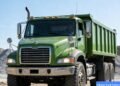
Choosing between the HOWO 400HP and 430HP dump truck configurations is rarely about chasing a spec sheet number. In my years running heavy-haul operations and evaluating fleet performance across varied job sites, the decision usually comes down to matching the power curve to your specific payload cycle and terrain. The 430HP variant offers a tangible advantage in hilly regions and for maximizing legal payloads on highway hauls, while the 400HP model remains a proven workhorse for standard construction and quarry duties where fuel economy outweighs top-end speed. This breakdown looks at the real-world differences, not just the brochures.

Các tình huống sử dụng trong thực tế và mức độ phù hợp trong vận hành
The application dictates the power requirement more than any other factor. I have seen operators try to run a 400HP unit in continuous mountain pass work, only to find themselves constantly shifting down and losing valuable cycle time. Conversely, a 430HP truck running light loads on flat terrain is just burning extra diesel for no reason.
Highway and Long-Distance Haulage
For fleet owners running aggregate or coal over 100-mile round trips, the 430HP engine is the better investment. The higher horsepower allows the truck to maintain a higher average speed on gradients. Over a 10-hour shift, this can translate into an extra load delivered per week. The các giải pháp vận tải đường dài available today often prioritize this kind of sustained performance.
Urban and Confined Site Operations

In dense urban environments or tight construction sites, the 400HP version is often sufficient. The focus here is on low-end torque for pulling away from stoplights and maneuvering in mud, not top-end speed. The 400HP unit tends to be slightly lighter, which can be a factor when dealing with strict gross vehicle weight regulations on inner-city roads.
Heavy Mining and Quarry Duty
This is where the 430HP earns its keep. When you are loaded to 50 tons plus and pulling out of a pit with a 6% grade, the extra 30 horsepower reduces strain on the driveline. Based on long-term fleet observation, trucks operating in high-density environments like open-pit sites often see better reliability with the larger engine because it isn’t working as hard to maintain the same speed. For those looking into this segment, understanding Giải pháp xe tải cho ngành khai thác mỏ is critical to matching the spec to the workload.
Phân tích hiệu suất: Động cơ, mô-men xoắn và tải trọng
It is not just about the peak number. The torque curve and how the engine delivers power at specific RPM ranges dictate how the truck feels on the road. Both the 400HP and 430HP options are typically based on the same inline-six diesel architecture, but the tuning differs.
Engine Specifications and Power Delivery
The 400HP variant generally produces around 1,500 Nm of torque, while the 430HP version pushes that figure closer to 1,600 Nm. This difference is most noticeable between 1,200 and 1,500 RPM, which is the sweet spot for climbing grades with a heavy load. The 430HP engine does not necessarily rev higher; it just holds its power band longer.
Payload Capacity and GVWR Considerations
Both models are typically rated for similar gross vehicle weights, often in the 35,000 kg to 40,000 kg range depending on the axle configuration. However, the 430HP unit is better suited for the upper end of that scale. If you are consistently running at max legal weight, the 430HP engine will maintain better average speeds and put less stress on the clutch and transmission during launch.
Fuel Efficiency and Consumption Rates
Fuel consumption varies significantly in heavy operations depending on load cycles. In controlled tests, the 400HP engine shows a slight advantage on flat, highway runs—roughly 3-5% better fuel economy. However, in hilly terrain, the 430HP engine can actually match or beat the 400HP unit because it spends less time in lower gears. The driver’s behavior is still the biggest variable, but the 430HP offers a larger margin for error.
Phân tích chi phí bảo trì và vòng đời
Total cost of ownership goes far beyond the sticker price. From my experience in fleet management, the maintenance intervals and the cost of parts are what really impact the bottom line over a 3-5 year period.
Service Intervals and Common Wear Items
The base engine blocks are heavily shared between these two models, meaning major service intervals for oil and filters are identical. However, the 430HP variant may experience slightly faster wear on the turbocharger and injectors if the truck is frequently operated at maximum power output. The 400HP unit, when run conservatively, often sees longer intervals between major overhauls simply due to lower thermal stress.
Maintenance Cost Breakdown
Annual maintenance costs for a heavy-duty dump truck typically run between $8,000 and $15,000 depending on usage. The 430HP model might see a 5-10% increase in this cost due to higher-spec components in the cooling system and driveline. However, this is often offset by reduced downtime in demanding applications. For a deeper look at the financials, reviewing a Phân tích chi phí xe ben can provide clarity on where the money actually goes.
Longevity and Resale Value
Both engines are known for their durability, often exceeding 1 million kilometers before a major rebuild. However, the used truck market tends to favor the 430HP model because it appeals to a wider range of buyers, particularly those in the mining and heavy construction sectors. This can result in a higher resale value, sometimes offsetting the higher initial purchase price.
Comparison: 400HP vs 430HP at a Glance

To make this easier to digest, here is a practical comparison based on typical operating conditions.
| Tính năng | HOWO 400HP | HOWO 430HP |
|---|---|---|
| Optimal Terrain | Flat to rolling hills | Mountainous and steep grades |
| Average Fuel Economy (Loaded) | 2.1 – 2.4 mpg | 1.9 – 2.2 mpg |
| Payload Consistency | Best at 70-80% capacity | Best at 90-100% capacity |
| Transmission Stress | Trung bình | Lower (due to higher torque reserve) |
| Typical Duty Cycle | Municipal construction, sand & gravel | Mining, large infrastructure, highway haul |
Các yếu tố ảnh hưởng đến quyết định của người mua: Quy mô đội xe, địa hình và khối lượng công việc
When it comes down to signing the purchase order, the decision hinges on three main variables. Ignoring any of them can lead to operational inefficiencies that cost tens of thousands of dollars annually.
Assessing Your Terrain Profile
Look at your routes. If more than 20% of your loaded travel involves sustained grades over 4%, you need the 430HP. The cost of fuel burned in lower gears with the 400HP will quickly exceed the initial savings of buying the smaller engine.
Workload Density and Cycle Times
Are you running 8-hour shifts or 20-hour continuous operations? For high-density operations, the 430HP engine provides a cooler-running and more reliable platform. The lower average RPMs reduce heat soak in the engine bay, which is a leading cause of electrical and sensor failures in heavy trucks.
Fleet Standardization and Driver Retention
If you have a mixed fleet, standardizing on the 430HP makes sense from a parts inventory perspective. It also makes it easier to retain experienced drivers who prefer the added power for merging onto highways and climbing ramps. For many operators, the decision is less about performance and more about operational simplicity. Many buyers looking for a robust platform also research the Xe ben tải nặng đang rao bán to see how these specs compare with the broader market.
Long-Term Reliability and Driver Experience
I have spent countless hours behind the wheel of both variants. From a driver’s perspective, the 430HP unit is simply less fatiguing. The ability to maintain momentum without constantly downshifting reduces mental strain, especially on long hauls. This is a factor that is often overlooked in cost analysis but has a direct impact on safety and retention.
Noise, Vibration, and Harshness (NVH)
The 430HP engine, when operating at lower RPMs due to its higher torque reserve, tends to be quieter in the cabin. This is a minor point, but for drivers spending 10 hours a day in the seat, it makes a significant difference in overall comfort and alertness.
Brake and Retarder Integration
Both models work well with exhaust brakes, but the 430HP engine provides slightly better engine braking response due to the higher compression ratio in its tuning. This can extend the life of the service brakes on long downhill stretches, a major cost saving in mountainous regions.
Making the Final Call on Horsepower
There is no universally “right” answer between these two trucks. The 400HP model is a cost-effective solution for operators who know their routes are flat and their loads are consistent. The 430HP model is an insurance policy against the unpredictable nature of heavy construction and mining. If your business model relies on speed and reliability over variable terrain, the premium for the 430HP pays for itself within the first year of operation.
Các câu hỏi thường gặp
Is the HOWO 430HP engine more reliable than the 400HP?
Reliability is similar because they share the same base engine architecture. However, the 430HP engine operates with a lower load factor in most applications, which can reduce thermal stress and potentially extend the lifespan of internal components in severe duty cycles.
What is the fuel consumption difference between the two models?
On flat terrain, the 400HP model is typically 5% more fuel-efficient. On hilly terrain, the 430HP model can match or exceed the 400HP’s efficiency because it maintains momentum better and requires fewer gear changes, reducing the time spent in inefficient RPM ranges.
Can the 400HP version handle a full legal payload?
Yes, it can, but it will work harder to get up to speed and maintain it on grades. This is acceptable for short hauls on flat ground, but for long distances or continuous high-speed runs, the 430HP is the more suitable choice.
Are the maintenance costs higher for the 430HP engine?
Annual maintenance costs may be slightly higher, roughly 5-10%, due to potentially higher-spec cooling and fuel injection components. However, this is often offset by reduced downtime and lower transmission wear in demanding applications.
Which model has a better resale value?
Typically, the 430HP model holds its value better in the used truck market. It appeals to a wider audience of buyers, particularly those in the mining and large-scale infrastructure sectors who require the extra power.