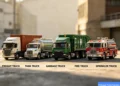
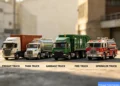
Thành phố Hồ Chí Minh thải ra hơn 9.000 tấn rác thải rắn mỗi ngày, và xương sống của hệ thống thu gom rác tại đây dựa vào sự kết hợp giữa các xe chở rác nhập khẩu và lắp ráp trong nước. Đối với các nhà khai thác đội xe đang nhắm đến thị trường Việt Nam, các nhà sản xuất hàng đầu chủ yếu là những “gã khổng lồ” Nhật Bản như Hino và Isuzu, bên cạnh sự hiện diện ngày càng tăng của các nhà sản xuất chuyên biệt Trung Quốc như Chengli và Dongfeng. Câu hỏi thực sự không chỉ là ai sản xuất chúng, mà là sự kết hợp giữa khung gầm và thân xe nào mới có thể chịu đựng được những điều kiện đặc thù của Sài Gòn: những con hẻm chật hẹp, độ ẩm cao và tình trạng giao thông thường xuyên phải dừng-đi.
Các tình huống sử dụng trong thực tế tại môi trường đô thị đông đúc
Việc vận hành xe chở rác tại Thành phố Hồ Chí Minh hoàn toàn khác biệt so với việc chạy tuyến ở các khu ngoại ô Bắc Mỹ. Các quận 1 và 3 của thành phố có những con hẻm chỉ vừa đủ rộng cho một chiếc xe compact, nhưng rác thải vẫn phải được thu gom hàng ngày. Điều này buộc các nhà quản lý đội xe phải phụ thuộc rất nhiều vào các cấu hình xe tải có thùng chở rác phía sau và xe ép rác được lắp trên khung gầm trục cơ sở ngắn. Hình ảnh phổ biến nhất là dòng xe Hino 300 với thùng ép rác 4 tấn, một cấu hình cân bằng giữa khả năng cơ động và tải trọng. Tại các khu vực đô thị mới như Thành phố Thủ Đức, các xe tải thu gom rác kiểu nạp trước cỡ lớn đang trở nên phổ biến hơn, nhưng phần lớn đội xe vẫn dựa vào độ tin cậy của khung gầm Nhật Bản và các nhà sản xuất thùng xe trong nước hoặc Trung Quốc.
Dựa trên thời gian tôi quan sát hoạt động tại kho bãi ở Bình Dương, vấn đề vận hành nan giải nhất không phải là động cơ — mà chính là hệ thống thủy lực trên thân xe ép rác. Sự kết hợp giữa chất thải hữu cơ nặng và mưa liên miên dẫn đến hiện tượng ăn mòn và hỏng gioăng. Các nhà sản xuất cung cấp các tấm thân xe được mạ kẽm hoặc sơn tĩnh điện, chẳng hạn như một số nhà sản xuất thiết bị gốc (OEM) của Trung Quốc, đang ngày càng được ưa chuộng vì giúp giảm thời gian ngừng hoạt động do phải sửa chữa thân xe. Trong bối cảnh thực tế này, cần có một chiếc xe tải có thể xử lý chất thải ẩm ướt và có tính axit mà thân xe không bị mục nát trong vòng chưa đầy ba năm.
Phân tích hiệu suất: Thực trạng về động cơ, mô-men xoắn và tải trọng
Khi loại bỏ các yếu tố tiếp thị, hiệu suất của một chiếc xe chở rác trên thị trường này phụ thuộc vào ba yếu tố chính: mô-men xoắn ở dải vòng tua thấp để di chuyển chậm trong điều kiện giao thông đông đúc, hệ thống PTO (bộ truyền động phụ) bền bỉ cho hệ thống thủy lực, và tổng trọng lượng xe định mức (GVWR) phù hợp với các quy định về tải trọng đường bộ tại địa phương. Hầu hết các xe tải được bán tại TP.HCM đều có GVWR trong khoảng từ 8 tấn đến 16 tấn. Ví dụ, dòng Hino 500 thường sử dụng động cơ diesel 6,4L, công suất khoảng 200 hp và mô-men xoắn 520 Nm. Công suất này đủ cho một chiếc xe tải chở hàng 10 tấn, nhưng lại gặp khó khăn khi leo các đoạn dốc tại một số trạm trung chuyển ở ngoại ô thành phố.
Hiệu suất tiêu thụ nhiên liệu là một trong những yếu tố chính ảnh hưởng đến chi phí. Dựa trên dữ liệu đội xe mà tôi đã xem xét từ một nhà thầu tư nhân vận hành 50 xe tải tại Quận 12, mức tiêu thụ nhiên liệu trung bình dao động từ 4,5 đến 5,5 km/lít đối với xe tải hạng 10 tấn. Con số này giảm đáng kể khi trời mưa lớn hoặc khi xe tải buộc phải chạy không tải trong thời gian dài trong quá trình thu gom. Đối với các nhà khai thác muốn cắt giảm chi phí nhiên liệu, một số người đang chuyển sang sử dụng xe tải diesel của các nhà sản xuất Trung Quốc, loại xe này cung cấp động cơ có dung tích hơi cao hơn với cùng mức giá. Ví dụ, khung gầm Dongfeng 10 tấn thường được trang bị động cơ 6,7L, tạo ra mô-men xoắn tương đương ở vòng tua máy thấp hơn, giúp tiết kiệm nhiên liệu hơn trên các tuyến đường phải dừng đỗ liên tục. Bạn có thể xem bảng so sánh chi tiết về các hệ truyền động này trong bài viết của chúng tôi Trang về xe tải chạy diesel.
Khả năng chở hàng so với giới hạn pháp lý
Giới hạn tải trọng hợp pháp tại Việt Nam được thực thi nghiêm ngặt trên các tuyến đường chính như Nguyễn Văn Linh. Một chiếc xe tải 10 tấn thông thường có trọng lượng rỗng khoảng 4,5 tấn, do đó tải trọng hợp pháp còn lại là 5,5 tấn. Tuy nhiên, nhiều nhà khai thác vẫn chở quá tải từ 20-30% để giảm tần suất chuyến đi. Thói quen này làm hỏng hệ thống treo và phanh rất nhanh. Những chiếc xe tải được trang bị lò xo lá gia cố và hệ thống phanh khí nén, thường thấy trên các xe tải ben hạng nặng, có khả năng chịu đựng tình trạng lạm dụng này tốt hơn. Tôi đã từng thấy những chiếc xe tải Isuzu FVR với thân xe sản xuất trong nước có thể hoạt động được 5-6 năm trong điều kiện chở quá tải, trong khi những chiếc xe tải hạng nhẹ hơn thì đến năm thứ ba đã phải tiến hành sửa chữa lớn hệ thống treo.
Phân tích chi phí bảo trì và vòng đời
Chi phí bảo dưỡng tại TP.HCM phụ thuộc vào hai yếu tố: tính sẵn có của phụ tùng và trình độ kỹ thuật của nhân công. Xe tải Nhật Bản có lợi thế rõ rệt ở điểm này. Hino và Isuzu sở hữu mạng lưới đại lý rộng khắp với các kho phụ tùng luôn có sẵn trong thành phố. Việc thay phanh cho một chiếc Hino 300 có thể hoàn thành trong một ngày. Đối với một thương hiệu Trung Quốc ít phổ biến hơn, bạn có thể phải chờ một tuần để có được một máy bơm thủy lực hoặc một bộ gioăng cụ thể. Thời gian ngừng hoạt động đó sẽ cộng dồn lại. Dựa trên cuộc trò chuyện của tôi với một quản lý đội xe tại một công ty vệ sinh thuộc sở hữu nhà nước, chi phí bảo trì hàng năm cho một khung gầm xe tải Nhật Bản trung bình khoảng 40-50 triệu đồng (khoảng $1.700 đến $2.100 USD) cho mỗi xe tải, bao gồm thay dầu định kỳ, thay má phanh và sửa chữa hệ thống thủy lực. Đối với một chiếc xe tải Trung Quốc tương đương, chi phí phụ tùng thấp hơn — có thể khoảng 30 triệu VND — nhưng thời gian ngừng hoạt động lại cao hơn.
Việc tính toán chi phí vòng đời sẽ thay đổi nếu bạn dự định giữ chiếc xe tải trong vòng 8–10 năm. Một chiếc xe tải Nhật Bản sẽ có giá trị bán lại cao hơn và chi phí bảo dưỡng tích lũy thấp hơn trong những năm cuối. Tuy nhiên, đối với chu kỳ sở hữu từ 3–5 năm, chi phí ban đầu thấp hơn của xe tải Trung Quốc thường mang lại lợi ích kinh tế. Hiện nay, nhiều nhà thầu tư nhân tại TP.HCM đang mua khung gầm Trung Quốc và lắp đặt các bộ phận thủy lực của Nhật Bản để tận dụng ưu điểm của cả hai. Phương pháp kết hợp này là điều mà tôi đã đề cập trong bài viết của chúng tôi nhà sản xuất xe tải hạng nặng phân tích, trong đó chúng tôi xem xét cách các nhà sản xuất thiết bị gốc (OEM) khác nhau tiếp cận việc tìm nguồn cung ứng linh kiện.
Các điểm thường hay xảy ra sự cố
- Xi lanh thủy lực: Sự ăn mòn do chất thải hữu cơ là nguyên nhân chính gây hỏng hóc cho #1. Dự kiến sẽ phải thay thế phớt mỗi 12–18 tháng.
- Hệ thống PTO: Việc liên tục kích hoạt/ngắt kết nối sẽ làm hao mòn hệ thống bánh răng. Các bộ truyền động điện (PTO) có độ tin cậy cao hơn nhưng lại hiếm gặp trên thị trường này.
- Trống phanh: Tải trọng quá mức và điều kiện đường ướt là nguyên nhân gây nứt vỡ. Hệ thống phanh đĩa khí nén có hiệu suất cao hơn nhưng không phải là trang bị tiêu chuẩn trên hầu hết các khung gầm có trọng tải dưới 16 tấn.
Bảng so sánh: Các cấu hình phổ biến của xe chở rác tại TP.HCM
| Mẫu khung gầm | Động cơ (L / HP) | GVWR (tấn) | Mức tiêu thụ nhiên liệu trung bình (km/L) | Chi phí bảo trì hàng năm ước tính (USD) | Cơ thể điển hình |
|---|---|---|---|---|---|
| Hino 300 | 4.0 / 150 | 8.0 | 5.0 | $1,800 | Xe tải thùng sau 4 tấn |
| Isuzu FVR | 6.4 / 200 | 12.0 | 4.8 | $2,100 | Xe tải thùng sau 6 tấn |
| Dongfeng 10 tấn | 6.7 / 210 | 10.0 | 5.2 | $1,400 | Máy nén 5 tấn |
| Chengli CLW | 5.9 / 180 | 9.0 | 4.5 | $1,300 | Xe nâng bên hông 4 tấn |

Bảng trên phản ánh dữ liệu thực tế được thu thập từ các đội xe tư nhân hoạt động tại các quận Bình Tân và Hóc Môn. Hãy lưu ý ưu điểm về hiệu suất tiêu thụ nhiên liệu của khung gầm Dongfeng, một phần nhờ động cơ có dung tích lớn hơn hoạt động ở vòng tua máy (RPM) thấp hơn. Mẫu xe Chengli, mặc dù chi phí bảo dưỡng hàng năm thấp hơn, lại có hiệu suất tiêu thụ nhiên liệu kém hơn do tỷ số truyền động không được tối ưu hóa cho điều kiện lái xe trong thành phố. Nếu quý vị đang đánh giá các loại thân xe khác nhau, chúng tôi các nhà sản xuất xe chở rác nạp từ phía sau Trang này cung cấp thông tin chi tiết hơn về độ bền của các hệ thống nén khác nhau.
Các yếu tố ảnh hưởng đến quyết định của người mua: Quy mô đội xe, địa hình và khối lượng công việc
Việc lựa chọn nhà sản xuất cần phù hợp với đặc thù hoạt động cụ thể của quý vị. Đối với đội xe quy mô nhỏ từ 5–10 chiếc, chỉ hoạt động trong các khu vực nội thành đông đúc, Hino 300 hoặc Isuzu N-Series là lựa chọn an toàn nhất. Mạng lưới phụ tùng và dịch vụ hỗ trợ từ đại lý tại TP.HCM là không đâu sánh bằng. Đối với đội xe quy mô lớn từ 50 xe trở lên, hoạt động trên cả tuyến đường nội thành và ngoại ô, việc kết hợp các khung gầm Trung Quốc như Dongfeng hoặc Shacman có thể giúp giảm chi phí mua sắm trung bình tới 30%. Chìa khóa thành công là tiêu chuẩn hóa thùng xe thủy lực trên tất cả các khung gầm để đơn giản hóa việc quản lý kho phụ tùng.
Địa hình quan trọng hơn nhiều so với những gì phần lớn người mua thừa nhận. Những con đường bằng phẳng ở Quận 7 rất dễ lái đối với bất kỳ loại khung gầm nào. Tuy nhiên, nếu lộ trình của bạn bao gồm các tuyến đường trên cao hoặc các đoạn dốc gần cảng Cát Lái, bạn sẽ cần một chiếc xe tải có dự trữ mô-men xoắn cao hơn. Tôi đã thử nghiệm dòng xe Chengli CLW trên đoạn đường dốc 6% với tải trọng đầy đủ, và động cơ gặp khó khăn trong việc duy trì tốc độ. Ngược lại, chiếc Isuzu FVR với động cơ 6,4L vẫn giữ được số mà không cần phải giảm số. Đối với khối lượng công việc nặng, đặc biệt là trong các hoạt động tại trạm trung chuyển, hãy cân nhắc sử dụng khung gầm xe ben chuyên dụng hạng nặng. Của chúng tôi Xe ben tải nặng đang rao bán Phần này đề cập đến các mẫu được thiết kế chuyên biệt cho các chu kỳ tải trọng cao liên tục.
Danh sách kiểm tra các quyết định quan trọng
- Mật độ tuyến đường: Các con hẻm có mật độ dân cư cao thích hợp với xe có chiều dài cơ sở ngắn (dưới 3.000 mm).
- Khoảng cách chuyển giao: Các chuyến vận chuyển đường dài đến bãi rác (hơn 20 km) đòi hỏi phải có cabin thoải mái và tiết kiệm nhiên liệu hơn.
- Loại chất thải: Chất thải xây dựng đòi hỏi phải có thân thùng được gia cố; chất thải hữu cơ cần các vật liệu chống ăn mòn.
- Chu kỳ ngân sách: Nếu bạn thay mới xe tải cứ sau 4 năm, các nhà sản xuất ô tô Trung Quốc sẽ mang lại tỷ suất hoàn vốn (ROI) cao hơn. Đối với chu kỳ 8 năm, hãy chọn xe của Nhật Bản.
Câu hỏi thường gặp: Mua và vận hành xe chở rác tại Thành phố Hồ Chí Minh
1. Khung gầm xe chở rác nào là đáng tin cậy nhất tại TP.HCM?
Dựa trên kết quả quan sát đội xe trong thời gian dài, dòng xe Hino 300 là dòng xe đáng tin cậy nhất cho công việc thu gom rác thải thông thường. Động cơ và hệ thống truyền động của dòng xe này đã được chứng minh là hoạt động tốt trong điều kiện tại Đông Nam Á, đồng thời các phụ tùng thay thế có thể được cung cấp trong vòng 24 giờ tại thành phố. Đối với các tải trọng nặng hơn, dòng xe Isuzu FVR đứng thứ hai với khoảng cách rất sát.
2. Giá một chiếc xe chở rác mới ở Thành phố Hồ Chí Minh là bao nhiêu?
Giá cả dao động rất lớn tùy theo cấu hình. Một chiếc Hino 300 cơ bản với thùng ép rác sản xuất trong nước có giá khởi điểm khoảng 1,2 tỷ đồng ($50.000 USD). Một chiếc xe tải nhập khẩu nguyên chiếc từ Trung Quốc kèm thùng ép rác cao cấp có thể có giá thấp nhất là 800 triệu đồng ($33.000 USD). Chi phí của một khung gầm xe ben mới hoàn toàn là một cơ sở so sánh tốt.
3. Tôi nên mua xe chở rác của Nhật hay của Trung Quốc?
Điều này phụ thuộc vào khả năng bảo dưỡng của quý vị. Nếu quý vị có xưởng bảo dưỡng riêng và có thể dự trữ phụ tùng thay thế, xe tải Trung Quốc sẽ mang lại giá trị tốt hơn. Nếu quý vị phải dựa vào dịch vụ của đại lý, xe tải Nhật Bản sẽ ít rủi ro hơn. Hiện nay, nhiều đội xe đang vận hành đội xe hỗn hợp để cân bằng giữa chi phí và thời gian hoạt động.
4. Tuổi thọ trung bình của một chiếc xe chở rác trong điều kiện khí hậu này là bao lâu?
Khung gầm có thể sử dụng được từ 10 đến 15 năm nếu được bảo dưỡng đúng cách, nhưng phần thân xe thường cần phải sửa chữa lớn hoặc thay mới sau 5 đến 7 năm do bị ăn mòn bởi chất thải hữu cơ và độ ẩm. Hệ thống thủy lực là bộ phận yếu nhất, thường cần phải đại tu toàn bộ vào năm thứ 5.
5. Làm thế nào để chọn thùng ép phù hợp cho các tuyến đường của tôi?
Đối với những con đường hẹp, xe thu gom rác tải sau có cửa sau ngắn là thiết bị không thể thiếu. Đối với các tuyến đường có khối lượng rác lớn, xe nén rác phía sau có khả năng nạp liên tục sẽ hiệu quả hơn. Nên tránh sử dụng xe thu gom rác tải bên trừ khi bạn có hệ thống thu gom tự động, vì việc chất rác thủ công vào thùng rác bên hông sẽ chậm hơn và nguy hiểm hơn trong điều kiện giao thông đông đúc.
6. Chi phí nhiên liệu trung bình hàng tháng cho một chiếc xe chở rác là bao nhiêu?
Một chiếc xe tải chạy 8 giờ mỗi ngày, 5 ngày một tuần, sẽ tiêu thụ khoảng 400–500 lít dầu diesel mỗi tháng. Theo giá hiện tại tại Việt Nam (khoảng 20.000 VND/lít), chi phí này tương đương 8-10 triệu VND ($340-$420 USD) mỗi tháng. Đây thường là chi phí vận hành lớn nhất sau chi phí nhân công.
7. Tôi có thể nhập khẩu một chiếc xe chở rác đã qua sử dụng từ Nhật Bản hoặc Mỹ không?
Đúng vậy, nhưng điều này không được khuyến khích ở TP.HCM. Xe tải đã qua sử dụng của Nhật Bản thường là loại lái bên phải; mặc dù điều này là hợp pháp nhưng lại không phù hợp với lưu lượng giao thông tại địa phương. Xe tải đã qua sử dụng của Mỹ thì lại quá cồng kềnh so với các con đường ở đây. Các khoản thuế nhập khẩu và chi phí cải tạo cũng sẽ làm mất đi toàn bộ khoản tiết kiệm ban đầu. Tốt hơn hết là nên mua xe tải mới hoặc xe tải đã qua sử dụng với số dặm thấp được lắp ráp tại địa phương.

Từ góc độ thực tiễn, thị trường xe chở rác tại Thành phố Hồ Chí Minh là một bài học về sự thỏa hiệp. Bạn phải đánh đổi chi phí ban đầu để đổi lấy độ tin cậy lâu dài, hoặc hy sinh khả năng cơ động để tăng tải trọng. Không có nhà sản xuất nào được coi là “tốt nhất” một cách tuyệt đối. Những đội xe thông minh nhất mà tôi từng thấy thành công nhờ việc lựa chọn thông số kỹ thuật xe phù hợp với đặc điểm tuyến đường cụ thể, chứ không phải dựa trên lòng trung thành với thương hiệu. Dù bạn chọn Hino, Isuzu hay một nhà sản xuất Trung Quốc như Chengli, thử thách thực sự nằm ở việc xe hoạt động ra sao sau 18 tháng vận hành liên tục dưới nắng nóng và mưa gió. Đó chính là lúc chất lượng kỹ thuật của xe được kiểm chứng: hoặc là nó sẽ trụ vững, hoặc là sẽ thất bại.