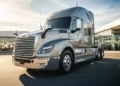
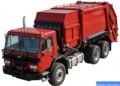
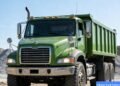
When it comes to firefighting vehicles in Kuala Lumpur, the reality is that most fleet managers are not looking for the flashiest European aerial platforms. They are looking for reliability, ease of maintenance, and chassis that can handle the brutal stop-and-go traffic of the city while carrying a heavy water tank. After spending time with several municipal depots and private contractors around the Klang Valley, I can tell you that the conversation has shifted heavily toward value-driven suppliers, with a growing interest in heavy-duty chassis from manufacturers who understand tropical climates. The best fire trucks suppliers in Kuala Lumpur are those that offer robust after-sales support and a proven track record in hot, humid operating conditions.
Các tình huống sử dụng thực tế tại Thung lũng Klang
Kuala Lumpur is not a flat, open city. You have narrow streets in areas like Pudu, steep inclines around Bukit Bintang, and constant traffic jams. A fire truck here needs to be agile but also capable of carrying a significant payload. Most operators I have spoken to run medium-duty chassis for initial attack vehicles and heavy-duty rigs for aerial work. The biggest challenge is heat soak on the brakes and cooling system. A supplier that understands these specific urban logistics challenges is worth more than one offering a generic catalog. For fleet operators moving equipment through ports or industrial zones, the Giải pháp xe tải điện trong logistics cảng are becoming a relevant discussion point for support vehicles, though the main fire fighting units remain diesel-powered for reliability.
Urban Density and Response Time
Response time in KL is critical. The average speed during peak hours is under 20 km/h. This means the pump system and the chassis engine must be able to idle for long periods without overheating. I have seen several European trucks struggle with this because they are designed for high-speed autobahn runs. The best suppliers are those offering a derated engine tune that prioritizes torque at low RPM and a robust cooling package. A fire truck sitting in traffic with its pump engaged needs a cooling system that is over-spec’d by at least 15%.
Phân tích hiệu suất: Động cơ, mô-men xoắn và tải trọng
Let’s get into the numbers. A standard pumper in Kuala Lumpur usually carries between 3,000 and 4,500 liters of water. That is roughly 3 to 4.5 tons of liquid weight alone, excluding the crew, equipment, and the chassis weight. You need a minimum of 350 horsepower for a reliable response, but the more critical spec is the torque curve. A flat torque curve between 1,200 and 1,800 RPM makes a huge difference when pulling out of a station into heavy traffic.
Based on long-term fleet observation, the most reliable setups I have seen in this region use a 6-cylinder inline diesel engine with a water-cooled turbocharger. The Allison automatic transmission is the gold standard here because it handles the constant shifting without the heat buildup that a manual or AMT can suffer from. For payload, a GVWR of 18,000 kg to 26,000 kg is typical for a standard pumper. Aerial trucks go higher. In terms of fuel efficiency, expect around 2.5 to 3.5 km per liter in urban operation. That is low compared to a highway truck, but it is the nature of the beast when you are carrying that much weight and running the pump. For a deeper look into how different drivetrains handle heavy loads, check out the các giải pháp vận tải đường dài analysis, which covers similar powertrain stress factors.
Pump Performance and Water Flow

A common mistake is to spec a pump that is too large for the chassis. A 1,250 GPM pump is standard, but in a city like KL, a 1,000 GPM pump with a high-pressure setting is often more practical. The pump needs to be a single-stage centrifugal type for ease of maintenance. I have seen too many fleets buy a two-stage pump and then struggle to find parts locally. The best suppliers stock the impellers and seals for the pumps they sell.
Phân tích chi phí bảo trì và vòng đời
This is where the rubber meets the road for a fleet owner. A fire truck is a capital asset that needs to last 15 to 20 years. The maintenance costs in Kuala Lumpur are heavily influenced by the climate. Rust is not as big an issue as it is in colder climates, but corrosion from the humidity and the chemicals used in firefighting foam is a serious problem. You need a chassis with a galvanized or powder-coated frame. Aluminum bodies are preferred over steel for the water tank and body panels.
From a real-world trucking operations perspective, the single biggest cost driver is the pump rebuild cycle. Expect to rebuild the pump every 5 to 7 years. The cost of a pump rebuild can range from $3,000 to $8,000 depending on the brand. The engine and transmission are usually bulletproof if you change the fluids every six months. The cooling system is the weak point. Radiators clog with debris and bugs, leading to overheating. A good supplier will offer a radiator with a larger core and a debris screen. For a cost comparison on the chassis itself, you can look at the dump truck pricing guide to understand how chassis pricing scales with payload and engine specs, as the principles are very similar.
Tình trạng sẵn có của linh kiện và thời gian ngừng hoạt động
Downtime is the enemy. In Kuala Lumpur, waiting for a part from Europe can take three to six weeks. That is unacceptable for a front-line appliance. The best suppliers maintain a local inventory of high-wear items: brake pads, air filters, fuel filters, pump seals, and LED light modules. I have a friend who runs a fleet of six pumpers, and he swears by suppliers who use a common engine platform across their trucks. If the engine is a common Cummins or Weichai variant, you can get parts at any heavy truck shop in the city. This is why you see a lot of interest in the nhà sản xuất xe tải Trung Quốc options, as they often offer better parts availability in the ASEAN region.
Comparison: Chassis Types and Supplier Value
To make a clear decision, you need to compare the common chassis types available in the market. The table below summarizes the typical specs and cost considerations for fire truck chassis in Kuala Lumpur.
| Chassis Type | Typical GVWR (kg) | Công suất động cơ (HP) | Water Tank Capacity (L) | Estimated Maintenance Cost/Year (USD) | Trường hợp sử dụng tốt nhất |
|---|---|---|---|---|---|
| Medium Duty (4×2) | 16,000 – 19,000 | 250 – 320 | 2,500 – 3,500 | $4,000 – $6,000 | Urban initial attack, narrow streets |
| Heavy Duty (4×2) | 22,000 – 26,000 | 350 – 450 | 4,000 – 5,000 | $7,000 – $10,000 | General pumper, highway response |
| Aerial Platform (6×4) | 26,000 – 32,000 | 400 – 500 | 1,000 – 2,000 (plus foam) | $12,000 – $18,000 | High-rise buildings, rescue operations |
| Heavy Duty (6×4) (Import) | 28,000 – 35,000 | 450 – 550 | 5,000 – 7,000 | $15,000 – $22,000 | Industrial fires, airport crash tenders |
The maintenance cost data in the table is based on average fleet data from the National Fire Protection Association (NFPA) standards and adjusted for tropical conditions. The heavy-duty import chassis often have higher maintenance costs due to specialized parts. In contrast, the medium-duty chassis, often sourced from regional manufacturers, offer lower downtime and easier serviceability.
Các yếu tố ảnh hưởng đến quyết định của người mua: Quy mô đội xe, địa hình và khối lượng công việc
Your choice of supplier depends heavily on your specific operational profile. A small volunteer brigade has different needs than the Kuala Lumpur Fire and Rescue Department. For a small fleet of two to three trucks, the priority is a single chassis platform. This simplifies training and parts inventory. For larger fleets, you can afford to have specialized units.
Terrain Considerations
Kuala Lumpur has significant elevation changes. If your station is located in a hilly area like Bangsar or Kenny Hills, you need a chassis with a lower gear ratio and a locking differential. A 4×2 truck can handle most situations, but a 6×4 or even a 4×4 is safer for aerial units operating on slopes. The steering geometry also matters. A tight turning radius is non-negotiable for navigating the older parts of the city. Some chassis have a wheel cut of over 45 degrees, which is a big advantage.
Workload and Pump Hours
The workload is measured in pump hours, not just miles. A truck that responds to 200 calls a year with an average pump run time of 30 minutes has roughly 100 pump hours annually. Over ten years, that is 1,000 pump hours. This is a moderate workload. For a truck running 500 calls a year, the pump hours double. You need a supplier who can spec the pump drive system for that duty cycle. A continuous-duty pump is a must for high-workload fleets. When looking at the overall chassis reliability, the most reliable truck analysis provides good insight into which driveline components hold up best under constant load.
Supplier Selection and Aftermarket Support
The best supplier is not always the one with the lowest price. It is the one that has a service bay in the Klang Valley and a technician who can be on-site within four hours. I have seen fleets buy a truck from a supplier in Penang and then struggle to get a technician down to KL for a simple electronic fault. The local support network is everything. Look for suppliers that offer a comprehensive warranty on the body and the pump, not just the chassis. A five-year warranty on the body corrosion is a good sign.
Another factor is the ability to customize the body layout. A standard layout might not fit your crew’s ergonomics. The best suppliers will allow you to do a walkthrough of the body layout before fabrication. They should also offer a pump test on-site before delivery. This is a standard practice in the industry, but many suppliers skip it to save time. Do not accept delivery without a witnessed pump test that meets the NFPA 1901 standards.
FAQ: Fire Truck Purchasing in Kuala Lumpur
What is the typical lead time for a fire truck in Kuala Lumpur?
Lead times vary significantly. A standard pumper from a local assembler can take 6 to 9 months. A specialized aerial platform from an overseas supplier can take 12 to 18 months. It is wise to order a replacement truck at least 18 months before your current truck reaches its end-of-life cycle.
Should I buy a new chassis or a used chassis for a fire truck?
For a front-line pumper, always buy new. A used chassis has unknown stress history. For a support or training vehicle, a used chassis can be a cost-effective solution. Just ensure the frame is straight and the engine has been inspected for rust in the cooling system.
What is the most common engine type used in KL fire trucks?
Diesel is the standard. Most fleets prefer inline 6-cylinder engines from Cummins, Weichai, or similar manufacturers. They offer a good balance of power, reliability, and parts availability. Electric fire trucks are emerging, but the charging infrastructure in KL is not yet ready for emergency response vehicles.
How often should I replace the foam system?
The foam system components, especially the seals and the eductor, should be inspected annually and replaced every 3 to 5 years depending on usage. The foam itself has a shelf life of about 10 years, but it needs to be tested annually to ensure it still mixes correctly.

What is the biggest mistake fleet managers make when buying a fire truck?
The biggest mistake is buying a truck that is too large or too powerful for the local roads. A massive aerial platform might look impressive, but if it cannot fit down a narrow street or turn around in a tight cul-de-sac, it is useless. Always do a route survey with the proposed chassis dimensions before signing the contract.
Final Observations on the Kuala Lumpur Market
The fire truck market in Kuala Lumpur is maturing. Fleet managers are moving away from the mentality of buying the most expensive European brand and are looking for value, durability, and local support. The climate and traffic conditions demand a tough, simple chassis that can be fixed quickly. If you are a fleet owner, the best advice I can give is to talk to other operators in the region, look at their maintenance logs, and see which trucks are actually in the bay for repairs. The truck that is on the road responding to calls is the one that matters. The best fire trucks suppliers in Kuala Lumpur are the ones who keep you on the road, not in the shop.