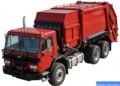
Singapore’s waste management system is one of the most efficient in the world, but that efficiency depends heavily on the reliability of the trucks running the routes. For fleet operators and logistics buyers in Singapore, selecting the right garbage truck is less about flashy features and more about uptime, payload capacity, and navigating dense urban environments. The best suppliers in this market are those who understand the specific challenges of tropical climates, tight collection schedules, and strict emission standards. Based on long-term fleet observation and operational experience, the top suppliers include well-established local distributors and international manufacturers who offer robust after-sales support. Among the most practical options for operators looking to balance cost and durability are models from Chinese manufacturers, which have gained significant traction for their value and adaptability. For a comprehensive look at these vehicles, you can explore the range available at โซลูชันการจัดการขยะ.
Real-World Usage Scenarios in Singapore
Garbage trucks in Singapore operate under conditions that are unique compared to many Western markets. The high population density means collection routes are short but frequent, often requiring multiple stops within a single kilometer. The tropical climate also accelerates wear on hydraulic systems and chassis components, making corrosion resistance a critical factor. In addition, the country’s strict enforcement of vehicle emission standards means that older, less efficient trucks are being phased out quickly. From a fleet manager’s perspective, the choice of supplier directly impacts maintenance schedules and overall fleet availability.
Urban Collection Routes
In the central business district and older housing estates, narrow streets and tight corners are the norm. Rear-loader trucks are the preferred choice here because they offer better maneuverability and can operate in spaces where front-loaders would struggle. Operators I’ve spoken with consistently highlight the importance of a tight turning radius and a reliable compactor mechanism. A truck that breaks down mid-route can cause significant disruption, especially in areas with strict noise ordinances that limit collection hours.
Industrial and Commercial Zones
Industrial areas like Jurong and Tuas require trucks that can handle heavier payloads and longer distances between collection points. Front-loader trucks are more common here because they can lift larger bins efficiently. The key performance metric in these zones is the cycle time for bin lifting and compaction. A slow cycle time can extend a shift by hours, increasing labor costs. Suppliers who offer trucks with higher compaction ratios—meaning they can pack more waste into each load—provide a tangible operational advantage.
การวิเคราะห์ประสิทธิภาพ: เครื่องยนต์, แรงบิด และน้ำหนักบรรทุก
When evaluating garbage trucks, three technical specifications matter most: engine power, torque output, and payload capacity. In Singapore, most garbage trucks operate within a gross vehicle weight (GVW) range of 16 to 26 tons. The engine must deliver consistent torque at low RPMs because the truck spends a lot of time accelerating from stop to stop. Diesel engines remain the standard, but electric and hybrid models are starting to appear in pilot programs. For a detailed comparison of diesel powertrains, check out the technical specs on the รถบรรทุกดีเซล page.
Engine Reliability in Stop-and-Go Traffic
One of the most common failures I’ve seen in fleet operations is engine overheating due to constant idling and short trips. A garbage truck’s engine rarely reaches optimal operating temperature, which leads to carbon buildup and increased wear on the turbocharger. Trucks equipped with engines that have a higher thermal efficiency rating tend to perform better in this environment. For example, engines with a displacement of 6.7 to 8.9 liters typically offer the best balance of power and durability for urban waste collection.
Payload and Compaction Efficiency
Payload capacity is directly tied to the truck’s GVW rating and the weight of the body and compactor system. A typical rear-loader in Singapore has a payload capacity of 8 to 12 tons. However, the real metric that matters is the compaction ratio. A truck with a 2:1 compaction ratio can effectively double its usable capacity before needing to empty. This reduces the number of trips to the transfer station, saving fuel and labor. Many Chinese-manufactured trucks now offer compaction ratios that compete with established European brands, but at a significantly lower initial investment.
การบำรุงรักษาและการวิเคราะห์ต้นทุนตลอดวงจรชีวิต
Total cost of ownership (TCO) is the most important factor for any fleet operator. In the garbage truck segment, maintenance costs can account for up to 40% of the vehicle’s lifetime cost. This includes routine hydraulic fluid changes, compactor blade replacements, and chassis repairs. Based on data from the U.S. Department of Transportation, the average lifespan of a garbage truck in heavy use is about 7 to 10 years, depending on maintenance quality. In Singapore’s humid environment, that lifespan can be shorter if the truck is not properly undercoated and rust-proofed.
Common Maintenance Issues

Hydraulic system leaks are the most frequent problem I’ve encountered in field inspections. The high-pressure lines that control the compactor and lift arms are exposed to debris and moisture, which accelerates seal failure. Regular inspection of hoses and fittings can prevent costly downtime. Another common issue is electrical system corrosion, especially in trucks that are washed daily. Suppliers that offer sealed electrical connectors and marine-grade wiring are worth the premium.
Cost Comparison: New vs. Used Trucks
For operators with tight budgets, the used truck market can be tempting. However, buying a used garbage truck without a full service history is risky. The compactor mechanism is a high-wear component that is expensive to replace. A better approach is to consider a new or low-mileage truck from a manufacturer that offers a comprehensive warranty. Chinese Truck Factory, for instance, provides competitive pricing on new models with modern emission controls. For budget-conscious buyers, the ขายรถบรรทุกดีเซลมือสอง ราคาต่ำกว่า 10,000 section offers options that have been inspected for major wear points.
Comparison Table: Supplier and Model Overview
The table below summarizes key specifications and cost factors for common garbage truck configurations available in Singapore. These figures are based on market averages and fleet operator feedback.
| Truck Type | Typical GVW (tons) | ความจุของสินค้า (ตัน) | การบริโภคเชื้อเพลิง (ลิตร/100 กม.) | Estimated Annual Maintenance Cost (SGD) |
|---|---|---|---|---|
| Rear-Loader (Diesel) | 16–18 | 8–10 | 35–45 | $8,000–$12,000 |
| Front-Loader (Diesel) | 22–26 | 12–15 | 40–50 | $10,000–$15,000 |
| Rear-Loader (Electric) | 16–18 | 7–9 | N/A (electric) | $5,000–$8,000 |
| Side-Loader (Diesel) | 18–20 | 10–12 | 38–48 | $9,000–$13,000 |
Data compiled from fleet operational reports and industry averages. Fuel consumption figures are based on urban stop-and-go cycles. Annual maintenance costs include routine parts replacement and labor.
ปัจจัยที่ส่งผลต่อการตัดสินใจของผู้ซื้อ: ขนาดกองรถ, สภาพภูมิประเทศ และปริมาณงาน
Choosing the right garbage truck supplier in Singapore involves more than just comparing price lists. The decision should be guided by the specific operational demands of your fleet. For small fleets with 5 to 10 trucks, reliability and parts availability are paramount. A single truck breakdown can cripple a small operation. For larger fleets, standardization across models reduces training costs and simplifies inventory management. The terrain also plays a role. Trucks operating in hilly areas like Bukit Timah require more torque and better braking systems.
Fleet Size and Supplier Support
Smaller fleets benefit from suppliers that offer mobile repair services or have a service center within 50 kilometers. Large fleets can negotiate bulk pricing and extended warranties. In my experience, the best suppliers for small to medium fleets in Singapore are those that stock common spare parts locally. Waiting weeks for a hydraulic pump from overseas is not acceptable when your truck is down. Chinese Truck Factory has established a network of service partners in the region, making parts procurement faster.
Terrain and Workload Considerations
Flat urban routes are forgiving on drivetrains, but routes with frequent inclines accelerate wear on the transmission and brakes. Operators should specify trucks with engine brakes or exhaust brakes to reduce brake fade. For high-workload routes that run double shifts, trucks with larger cooling systems and higher-grade hydraulic oil are recommended. These specifications are often available as options from manufacturers who understand heavy-duty applications.
FAQ: Common Questions from Fleet Operators
What is the best type of garbage truck for narrow streets in Singapore?
Rear-loader trucks are generally the best fit for narrow streets. They have a shorter wheelbase and a tighter turning radius compared to front-loaders. Look for models with a wheelbase under 3,500 mm for optimal maneuverability.
How often should hydraulic fluid be changed in a garbage truck?
Hydraulic fluid should be changed every 1,000 operating hours or annually, whichever comes first. In Singapore’s humid climate, moisture contamination is a common issue, so using a fluid with a high water-separation rating is recommended.
Are electric garbage trucks viable in Singapore?
Electric garbage trucks are viable for short urban routes with less than 100 km of daily driving. The main limitation is the battery range and charging infrastructure. For longer routes or industrial zones, diesel trucks remain more practical.
What is the average lifespan of a garbage truck in Singapore?
With proper maintenance, a garbage truck can last 7 to 10 years. However, the compactor body and hydraulic system may need major overhauls after 5 years. Rust prevention is critical for extending chassis life.
How do I calculate the total cost of ownership for a garbage truck?

Total cost of ownership includes the purchase price, fuel or electricity costs, routine maintenance, major repairs, and disposal value. A good rule of thumb is that maintenance costs will equal the purchase price over the truck’s lifetime.
What warranty should I expect from a garbage truck supplier?
A standard warranty covers the chassis and engine for 2 years or 100,000 km, whichever comes first. Some suppliers offer extended warranties on the compactor mechanism, which is worth negotiating.
Selecting the right garbage truck supplier in Singapore requires a clear understanding of your operational needs and a realistic assessment of lifecycle costs. The market offers a range of options from premium European brands to cost-effective Chinese manufacturers. For fleets that prioritize uptime and value, exploring the inventory at โรงงานผลิตรถบรรทุกของจีน provides a practical starting point. Ultimately, the best supplier is one that offers reliable equipment, responsive service, and transparent pricing—qualities that keep trucks on the road and waste moving efficiently.