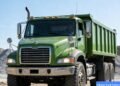
The price of a sewage suction truck typically lands between $85,000 and $220,000 depending on the chassis brand, tank capacity, vacuum pump specifications, and whether the unit is built for municipal or industrial duty cycles. Capacity, however, is the real cost driver: a 4,000-gallon unit with a rotary vane pump will not carry the same price tag as a 10,000-gallon unit with a liquid-ring vacuum pump rated for continuous operation. Based on fleet purchasing data over the last several years, the sweet spot for most contractors remains the 6,000 to 8,000-gallon range, which balances maneuverability in residential zones with enough tank volume to make long-haul disposal trips worthwhile.
Real-World Usage Scenarios for Sewage Suction Trucks
These trucks are not interchangeable with standard vacuum tankers, despite what some dealers might claim. A sewage suction truck is purpose-built for handling sludge, slurry, and liquid waste with high solid content. The most common applications across North American and European fleets include septic tank pumping, municipal sewer line maintenance, industrial waste collection, and grease trap cleaning at food service facilities. Each of these jobs places different demands on the chassis and the vacuum system.
Municipal sewer departments, for instance, run their trucks on routes that involve frequent stop-and-go operation, tight residential turns, and constant cycling of the PTO-driven vacuum pump. That kind of duty cycle wears out clutches and hydraulic components faster than steady highway running. Industrial waste haulers, on the other hand, often deal with abrasive slurries and chemical residues that attack tank linings and valve seals. From what we have observed in fleet maintenance logs, a truck used solely for grease trap pumping will have a completely different wear pattern compared to one handling storm drain sediment.
Contractors who service both residential and commercial accounts tend to prefer combination units—those with both a vacuum pump and a high-pressure water jetting system. These trucks cost more upfront but eliminate the need for a separate hydro-jetter on the jobsite. In real-world operation, a combination unit allows one operator to break up a blockage, vacuum out the debris, and flush the line clean in a single pass. That efficiency gain often justifies the higher purchase price within the first two years of service, especially in markets where labor rates are high.
The type of vacuum pump also determines what jobs the truck can handle. Rotary vane pumps are cheaper and work fine for liquid-heavy loads, but they struggle with high-viscosity sludge and are prone to vane wear when debris is present. Liquid-ring pumps handle solids better and can run continuously without overheating, making them the standard choice for municipal sewer work. Diaphragm pumps are a niche option for highly corrosive waste but are rarely seen on standard sewage trucks due to their lower flow rates.
Performance Breakdown: Engine, Torque, Payload, and Fuel Efficiency
Performance in a sewage suction truck is not about speed—it is about sustained power delivery to the vacuum system and the ability to haul a full load without straining the drivetrain. The engine must produce strong low-end torque to drive the PTO at idle or low RPM while the pump is running, because that is how most operators actually work the truck. A typical day involves parking, engaging the PTO, and letting the engine idle up to around 1,200 to 1,500 RPM for extended periods while the pump evacuates a tank.
Most Class 7 and Class 8 sewage trucks in the North American market are spec’d with diesel engines in the 300 to 450 horsepower range. That may sound like overkill for a vehicle that spends most of its time sitting still, but the horsepower is not for the road—it is for the hydraulic and vacuum systems. A 350-horsepower engine with 1,000 lb-ft of torque running at governed RPM will drive a 5,000 CFM vacuum pump much more reliably than a lighter-duty powerplant that needs to be revved up to produce usable power.
Payload capacity is where many buyers make mistakes. The GVWR of the chassis must be matched against the combined weight of the empty tank, the vacuum pump, the water tank (if a combination unit), and the maximum load of sewage or sludge. A typical 6,000-gallon steel tank weighs around 4,500 to 5,500 pounds empty. Add a 1,500-pound vacuum pump, a 1,000-gallon water tank for jetting, and you are looking at 7,000 to 8,000 pounds of equipment weight before a single gallon of waste is collected. With sewage weighing approximately 8.34 pounds per gallon, a full 6,000-gallon load adds roughly 50,000 pounds. That means a 6,000-gallon truck realistically needs a tri-axle chassis rated for at least 66,000 pounds GVWR.
Fuel efficiency is abysmal by trucking standards, and there is no way around it. Expect 3 to 5 miles per gallon while driving, and that number drops significantly when you factor in idle time during pumping operations. A truck that runs its PTO for four hours a day burns between 3 and 5 gallons of diesel per hour just for the pump, on top of what the engine consumes while driving. From fleet records we have reviewed, a sewage truck operating five days a week typically consumes between 1,200 and 1,800 gallons of diesel per month. Buyers looking for diesel trucks with better economy should understand that this is not a fuel-efficient segment—it is a productivity segment.
One area where performance differences show up clearly is in pump evacuation rates. A standard rotary vane pump rated at 500 CFM can empty a 4,000-gallon tank in roughly 8 to 10 minutes under ideal conditions. A larger liquid-ring pump rated at 800 CFM can do the same job in 5 to 7 minutes. That difference of a few minutes per stop adds up dramatically over a 12-stop day. Real-world operations show that faster evacuation times translate directly into more billable stops per day, which is why larger pumps are often worth the $8,000 to $15,000 premium they command.
Maintenance and Lifecycle Cost Analysis
Anyone who has run a fleet of vacuum trucks will tell you that maintenance costs are the deciding factor in whether a unit is profitable. The vacuum pump is the most expensive component to maintain. A rotary vane pump typically needs vane replacement every 1,500 to 2,500 operating hours, and a full rebuild runs between $3,000 and $6,000 depending on the manufacturer. Liquid-ring pumps are more durable, with many units going 5,000 to 8,000 hours between major service intervals, but when they do need service, the parts are significantly more expensive—often $8,000 to $15,000 for a complete overhaul.
Tank corrosion is the second major cost driver. Steel tanks that handle municipal sewage with high hydrogen sulfide content will develop pitting and thinning over time. A typical steel tank has a service life of 10 to 15 years before it requires relining or replacement, and a full tank replacement can cost $20,000 to $35,000. Stainless steel tanks last longer but add $10,000 to $18,000 to the initial purchase price. For operators running trucks in coastal areas or handling industrial waste, the upgrade to stainless is often justified by the reduced maintenance burden alone.
Hoses, gaskets, and valve seals are the daily consumables that add up quietly. A 4-inch suction hose costs $200 to $400 and typically lasts 6 to 12 months with regular use. The rubber gaskets on tank manways and discharge valves need replacement every few months, and while the parts are cheap—$20 to $50 each—the labor to replace them on a truck that is caked with sludge is not. Fleet operators should budget approximately $6,000 to $12,000 per year for routine maintenance on a single sewage suction truck, excluding major pump or tank repairs.
The chassis itself follows standard commercial truck maintenance schedules, but there are sewage-truck-specific issues to watch. The PTO driveline and mounting brackets take constant abuse from the torque of the vacuum pump, and u-joints often need replacement every 12 to 18 months. Hydraulic systems on combination units require annual fluid changes and periodic seal replacement. Brake wear is accelerated by the heavy loads these trucks carry, especially in hilly terrain. From long-term fleet observation, the total lifecycle cost of a sewage suction truck over a 10-year period—including purchase price, maintenance, fuel, and insurance—typically runs between $450,000 and $700,000 depending on utilization rates and regional labor costs.
For fleet managers looking to understand how these costs compare to other specialized equipment, the diesel truck operating cost benchmarks provide a useful reference point. The vacuum system adds roughly 20 to 30 percent to the maintenance burden of a standard dump truck, which is why it is critical to budget for pump service before the unit goes into operation rather than treating it as an unexpected expense.
Sewage Suction Truck Comparison: Configurations and Costs
Comparing sewage suction trucks requires looking at the entire package—chassis, tank, pump, and auxiliary systems—rather than just the advertised price. The table below breaks down three common configurations and what they mean for real-world operation and total cost of ownership.
| Configuration | Typical Tank Capacity | Pump Type | Price Range (USD) | Best Suited For | Estimated Annual Maintenance |
|---|---|---|---|---|---|
| Light-Duty / Septic Pumping | 2,000 – 3,500 gallons | Rotary Vane, 300-500 CFM | $85,000 – $130,000 | Residential septic, small grease traps | $5,000 – $9,000 |
| Mid-Range / Municipal & Commercial | 4,000 – 6,000 gallons | Liquid-Ring, 500-750 CFM | $130,000 – $180,000 | Sewer lines, lift stations, industrial sludge | $8,000 – $15,000 |
| Heavy-Duty / Combination Jetter | 6,000 – 8,000 gallons | Liquid-Ring, 750+ CFM + High-Pressure Jetter | $180,000 – $250,000 | Municipal fleets, large-scale industrial | $12,000 – $20,000 |

The price spread between a light-duty septic truck and a heavy-duty combination unit is substantial, but the revenue potential is equally different. A light-duty truck doing residential septic pumping might bill $400 to $600 per job and complete 4 to 6 jobs per day. A combination unit working for a municipality on a time-and-materials contract can bill $1,500 to $3,000 per day. The decision comes down to the market you serve and whether your customers require the additional jetting capability that a combination unit provides.
Chassis selection also plays a role in the comparison. Domestic North American chassis—Freightliner, International, Kenworth, Peterbilt—command a premium but offer the advantage of widespread dealer networks and parts availability. Imported chassis from manufacturers like those found at heavy truck manufacturing facilities can reduce the initial purchase price by 15 to 25 percent, but buyers need to carefully assess the availability of local service support and parts supply before committing. For fleets with their own maintenance shops, the lower upfront cost of imported chassis can be attractive, but for operators relying on dealer support, the domestic premium is often worth paying.
Another factor that separates configurations is the discharge system. Gravity discharge is the simplest and cheapest, relying on a rear gate or valve to dump the load. But for thick sludge, gravity discharge is slow and often requires a crew member to break up clogs with a shovel or pole. Pressure discharge uses the vacuum pump in reverse to pressurize the tank and force the load out through the discharge valve. This system costs $8,000 to $15,000 more but cuts discharge time from 30 minutes to 5 minutes and eliminates the need for manual intervention. For any operation that makes multiple disposal trips per day, pressure discharge pays for itself quickly.
Buyer Decision Factors: Fleet Size, Terrain, and Workload
Choosing the right sewage suction truck is not about picking the biggest or the most expensive unit—it is about matching the equipment to the workload. Fleet size matters because a single truck that is down for maintenance means lost revenue and unhappy customers. Operators running a one-truck operation should prioritize reliability and ease of repair over raw capacity. A simpler truck with a proven track record and readily available parts is a better choice than a high-spec unit that requires specialized technicians for every breakdown.
Terrain is a factor that many first-time buyers overlook. A truck that operates in flat, urban environments can get away with a smaller engine and a lighter chassis. But in hilly or mountainous regions, the same truck will struggle to climb grades with a full load, putting excessive stress on the transmission and brakes. Operators in mountainous areas should spec the largest engine available and consider an exhaust brake or hydraulic retarder to manage downhill speed with a full tank. These additions add $5,000 to $10,000 to the purchase price but are essential for safe operation in steep terrain.

Workload is the most critical factor in determining the right configuration. A truck that runs one or two jobs per day does not need the same duty cycle rating as a municipal truck that runs continuously for 10 hours. For low-frequency use, a rotary vane pump with a smaller tank is perfectly adequate and will keep the purchase price down. For high-frequency municipal or industrial use, the liquid-ring pump and larger tank are not optional—they are the difference between a truck that lasts 8 years and one that needs a major overhaul after 3.
Fleet managers overseeing multiple units should also think about parts commonality across their equipment. If you already run a fleet of dump trucks or other heavy equipment on a specific chassis platform, standardizing on the same chassis for your sewage trucks reduces parts inventory and simplifies mechanic training. This is a practical consideration that often gets overlooked in the excitement of spec’ing out a new vehicle. The heavy-duty construction vehicle solutions available on the market today offer cross-platform compatibility that can significantly reduce the total cost of ownership for fleets running mixed equipment.
Another decision factor that is often underestimated is the availability of financing and the impact of interest rates on the total cost. A $150,000 truck financed over 5 years at 7 percent interest results in approximately $28,000 in interest payments. Stretching the term to 7 years reduces the monthly payment but increases total interest to about $40,000. Buyers should calculate the total cost of financing, not just the monthly payment, when comparing options. In the current interest rate environment, paying cash or securing a lower-rate loan through a manufacturer’s financing program can save thousands over the life of the truck.
Common Operational Issues and Practical Solutions
Every sewage suction truck operator eventually encounters the same set of operational problems, and knowing how to handle them before they happen is the difference between a profitable operation and one that bleeds money. The most common issue is clogging in the suction hose or the tank inlet when handling material with high solid content. Operators can mitigate this by keeping a water supply on hand to thin out thick sludge, but this requires a water tank and pump, which adds weight and cost. An alternative is to use a larger-diameter hose, which reduces the likelihood of blockages but makes the hose heavier and harder to handle.
Vacuum pump overheating is another frequent complaint, especially during summer months or when the pump is run continuously for extended periods. Liquid-ring pumps are less susceptible to this issue because the sealing liquid provides cooling, but rotary vane pumps can overheat if run at high speed for too long. Operators should be trained to monitor pump temperature and to let the pump cool down periodically during long evacuation cycles. Installing a temperature gauge with an audible alarm is a cheap modification that can prevent expensive pump damage.
Another issue that shows up in real-world operations is the failure of the tank level indicator. These sensors are exposed to corrosive sludge and fail frequently, leading operators to overfill the tank and risk a spill. A spill of raw sewage is not just an environmental violation—it is a significant cleanup cost and a public relations disaster. Regular inspection and replacement of level sensors should be part of the preventive maintenance schedule, and operators should be trained to recognize the signs of a failing sensor before it causes a problem.
From a maintenance perspective, the most neglected component on sewage trucks is the PTO system. Operators often engage the PTO without checking that the driveline is properly aligned, leading to premature u-joint failure and, in severe cases, damage to the transmission. A pre-trip inspection that includes a visual check of the PTO driveline and u-joints takes less than two minutes but can prevent a $3,000 to $5,000 repair. Fleet managers should make this a mandatory part of the daily checklist.
For those running trucks in urban environments, the urban muck transport solutions that are specifically engineered for tight streets and frequent stops can address many of the maneuverability issues that plague standard configurations. These units typically feature a shorter wheelbase, a tighter turning radius, and a more responsive steering system, which makes a noticeable difference when navigating narrow alleys and congested residential areas.
Cost Comparison: New vs. Used Sewage Suction Trucks
The decision to buy new or used is arguably the most consequential financial choice in this segment. A new sewage suction truck with a full warranty and the exact specifications you need will cost between $120,000 and $250,000. A used truck, depending on age, mileage, and condition, can be purchased for $50,000 to $120,000. The gap is significant, but the hidden costs of used equipment often close that gap faster than buyers expect.
Used trucks typically come with unknown maintenance histories. Even with a clean inspection report, the vacuum pump on a used truck may be closer to its rebuild interval than the seller discloses. A pump rebuild at $8,000 to $15,000 can erase the savings from buying used. Similarly, the tank may look fine from the outside but have significant internal corrosion that only becomes apparent after a few months of use. A tank replacement at $25,000 to $35,000 would be a devastating surprise for a buyer who thought they were getting a bargain.
That said, there are situations where buying used makes sense. A contractor who is just starting out and has limited capital can use a used truck to establish a customer base and generate revenue before committing to a larger purchase. The key is to have the truck inspected by an independent mechanic who specializes in vacuum equipment, not just a general diesel mechanic. The inspection should include a pump performance test, a tank thickness measurement, and a thorough check of the PTO system and hydraulic components.
Another consideration is the availability of parts for older models. A used truck that is 10 years old may have a pump or chassis components that are no longer manufactured, forcing the owner to source used parts or aftermarket replacements. This can lead to extended downtime while waiting for parts to arrive. Buyers should research parts availability before purchasing any used unit, and they should budget for the possibility that some components will need to be fabricated or sourced from salvage yards.
For buyers considering the used route, the used diesel trucks for sale under $10,000 market offers some entry-level options, but these are typically older units with higher mileage that will require immediate maintenance. A more realistic approach for a first truck is to budget $60,000 to $90,000 for a used unit that is 5 to 7 years old with moderate mileage and a documented maintenance history. This provides a reasonable balance between upfront cost and expected reliability.
Impact of Emissions Regulations on Truck Selection
Emissions regulations have become a significant factor in sewage suction truck purchasing decisions, particularly in states that follow California’s stricter standards. Trucks equipped with diesel particulate filters (DPF) and selective catalytic reduction (SCR) systems are now the standard for new units, but these systems add complexity and maintenance costs. The DPF requires periodic regeneration, which involves burning off accumulated soot at high temperatures. For a sewage truck that spends most of its time idling at low RPM while the pump is running, the DPF may not reach the temperature needed for passive regeneration, leading to more frequent active regeneration cycles and increased fuel consumption.
Operators running older trucks without DPF systems face a different problem: they may be restricted from operating in certain low-emission zones or may face higher registration fees. Several major metropolitan areas in the United States and Europe have implemented or are planning to implement restrictions on older diesel vehicles. Fleet operators need to consider the remaining useful life of a truck in the context of these regulations. A used truck that meets current standards may be barred from certain areas within a few years, limiting its usefulness.
The U.S. Environmental Protection Agency (EPA) and the California Air Resources Board (CARB) have published data on the emissions profiles of heavy-duty diesel trucks, and this information is critical for buyers making long-term fleet decisions. The EPA regulations for commercial truck emissions outline the current standards and the timeline for future requirements. Buyers should verify that any truck they purchase—new or used—meets the emissions standards for the regions where it will operate.
Electric sewage suction trucks are emerging as a niche option, particularly for municipal fleets with short, predictable routes and access to charging infrastructure. The initial cost is significantly higher—often $350,000 to $500,000—but the operating costs are lower due to reduced fuel and maintenance expenses. Electric trucks eliminate the engine idle issue entirely, since the vacuum pump can be driven by an electric motor powered by the battery pack. However, the range limitations and the need for charging infrastructure make electric units impractical for most contractors who operate over wide geographic areas. The International Energy Agency’s Global EV Outlook provides useful data on the adoption rates and infrastructure development for electric commercial vehicles, which is helpful for fleet managers evaluating the long-term viability of electric options.
Choosing the Right Manufacturer and Dealer Support
The manufacturer you choose determines not just the initial quality of the truck but also the quality of support you will receive over the next decade. Established domestic manufacturers have extensive dealer networks, which means parts are usually available within 24 to 48 hours and service technicians are trained on the specific systems. Imported manufacturers, including those from China, have improved significantly in recent years, but the support infrastructure is still developing. Buyers considering an imported chassis should verify that the manufacturer has a local parts warehouse and a network of authorized service centers in their region.
The Chinese truck manufacturing industry has made substantial strides in quality and reliability over the past decade, and several manufacturers now offer competitive warranties and support packages for international buyers. The key advantage of these manufacturers is price—a comparable chassis from a Chinese manufacturer can be 15 to 25 percent cheaper than a domestic equivalent. The trade-off is that some components, such as sensors and electronic control modules, may have longer lead times for replacement parts, and the availability of trained technicians may be limited outside of major metropolitan areas.
Dealer support is not just about parts availability—it is also about the quality of the initial setup and delivery inspection. A truck that is not properly inspected before delivery will have small issues that compound over time. Loose fittings, improperly torqued bolts, and incorrect fluid levels are common on new trucks of any brand. A thorough pre-delivery inspection by the dealer, followed by a 500-hour service check, can catch these issues before they become major problems. Buyers should ask the dealer about their pre-delivery inspection process and request a copy of the inspection checklist.
Warranty terms vary significantly between manufacturers. Standard warranties for commercial trucks typically cover 2 to 3 years or 200,000 to 300,000 miles, but the vacuum system is often covered by a separate warranty from the pump manufacturer. Buyers should read the warranty documents carefully to understand what is covered, what is excluded, and what the claim process entails. Some manufacturers require that all maintenance be performed at authorized dealers to keep the warranty valid, which can be a significant cost consideration for fleets that have their own maintenance shops.
Financing and Total Cost of Ownership Considerations
The purchase price of a sewage suction truck is only the starting point. The total cost of ownership includes depreciation, interest, insurance, fuel, maintenance, and the cost of downtime. Depreciation is the largest single cost, with a new truck losing approximately 20 to 25 percent of its value in the first year and 10 to 15 percent in each subsequent year. After five years, a $150,000 truck is typically worth $60,000 to $75,000. Buyers who plan to keep the truck for the full 10-year lifecycle will absorb the depreciation, but those who trade in every 3 to 5 years need to factor the resale value into their calculations.
Insurance costs for sewage suction trucks run higher than standard commercial trucks due to the hazardous nature of the cargo and the potential for environmental liability. Typical annual premiums range from $4,000 to $8,000 depending on the coverage limits, the operator’s safety record, and the geographic region. Operators who handle industrial waste or work on municipal contracts may be required to carry additional environmental liability coverage, which can add another $2,000 to $5,000 per year to the insurance bill.
Financing terms for specialized trucks are generally less favorable than for standard equipment, because the resale market is thinner and lenders perceive higher risk. Interest rates for sewage suction trucks typically run 1 to 2 percentage points higher than for standard dump trucks or tractors. Buyers with strong credit and a substantial down payment can negotiate better terms, but first-time buyers should expect to pay a premium for financing. The World Bank